Finding the best deals online & direct from wineries
Author: robywine, norm roby
My career as a wine journalist/critic began in 1975 when my article about California Petite Sirah was published. My focus remained on California as I edited a monthly wine magazine and then moved on to The Wine Spectator in 1982. Over the following years, my column appeared under the banner of “Stormin’ Norman, and I also wrote articles about wine collectors and wine auctions.
Without getting into a year by year bio, let me try to summarize here. During my time with The Spectator which I enjoyed immensely, I taught wine classes at a culinary school and at other venues in San Francisco. Before venturing into wine, teaching was my thing, English Lit and Rhetoric.
After The Spectator I was the U.S. Contributor to Decanter Magazine, writing mostly about California, but also expanding into Washington State and Oregon. My Decanter years began in 1992 and after buying a summer home in France in 2000, I traveled throughout France and eventually published articles about St. Emilion, Castillon, Bergerac, Minervois, Roussillon,
Luberon, Provence, and Alsace.
Also, around 2000, my wife began working for Cousino-Macul in Chile, so we tasted and traveled our way through Chile and, of course, managed to fly over the Andes and explore and taste our way through Argentina.
As travel lovers, we have also spent many interesting days visiting the wine regions of Spain, Italy, Portugal, Scicily, Greece, and New Zealand.
And to come to a close, I was Director of Winesong, a Charity Wine Auction for 20 years, 1992-2000 that benefitted a local hospital. That brought me in contact with wine collectors and to the auction scene. And finally, I co-authored a book, The Connoisseurs’ Guide to California Wine published by Alfred A. Knopf. It went through 4 editions and sold over 500.000 copies.
If you are shopping for excellent wines at reasonable prices, then forget about those made by celebrities, cult wines, and wines made by 100 point rockstar winemakers. Let them all be legends in their own minds, and seek out wines made by real people.
I recently rediscovered one of my favorite examples of a family owned winery making excellent, affordable wines. Here’s how the winemaker summarizes things:
“It feels right to make the best wine possible and to sell it at a fair price. Our instincts tell us that being honest, being consistent, working hard, and thinking outside the box is more important than anything else in business.”
The California winery is Marietta Cellars, founded in 1978 by Chris Bilbro and now in the hands of Scot, his winemaker son. While the original winery in Sonoma County was a rented cow barn, they now own 300 acres in Mendocino and Sonoma. And if you like old vine wines from Syrah and Grenache, well the Bilbros are your kind of people. They have some of the best vineyards farmed organically.
Since Day #1, Marietta Cellars produced affordable wines, starting with blended red wines based on Zinfandel. Their benchmark Old Vine Red was first made in 1982. “Affordable” and “blended” are not exactly popular search tags in today’s wine world. Then add that the production is not tiny and the wines are not allocated to a select few, and voila? Marietta wines are available direct from the winery, online, and yes, even in wine shops.
Go to www. mariettacellars.com You can also find 8 Marietta Cellars’ wines today at www.wine.com
Here are my recent reviews on two of those wines:
Marietta Cellars California OVR Old Vine Rose 2023 $19
Here’s an absolutely lovely Rose to enjoy year round. The Bilbro family has long specialized in old vine wine, and Scot Bilbro has been the winemaker since 2012. Chris Bilbro, his dad, founded Marietta back in 1978. This 2023 Rose is made from 50% Syrah, 25% Grenache, and 25% Grenache Gris, with all of the fruit from the estate’s organically grown McDowell Valley vineyards established well over 100 years ago. With its inviting coral-pink color and its lively peach and melon aroma, the wine charms you and seals the deal with its juicy peach and pomegranate flavors which come with a hint of spice. Nicely textured, it remains lively on the palate and finishes on a crisp note. 93 points
2021 Marietta Cellars “Christo,” Estate Grown, North Coast $20.00
“Christo” refers to the family nickname for Chris Bilbro, veteran Sonoma winemaker. A Rhone blend (68% Syrah, 20% Grenache, 18% Petite Sirah, & 4% Viognier), this is a powerful, full bodied red. Aged for 18 months in neutral oak, this blend offers a solid core of ripe fruit and is built on a solid foundation. The aroma is fantastic. It opens to reveal background notes of spice, ripe plums and earthy, forest floor. Some subtle floral hints of violets and lavender emerge with aeration. On the palate, black pepper pokes through in the intense, rich berry flavors. The lengthy finish has a pleasant touch of juicy blackberry fruit and light tannin. Taken altogether, this wine has it all. It is a whole lot of wine for the money and should age well. 94 points
So why isn’t Marietta Cellars better known?
Well, I’ll let the Bilbros offer a reason: “We are hands-on and busy year-round.”
A Harvest Sale with 30% off all wines was an upbeat headliner coming from the California Wine Club. Based in California, this is one of the oldest and most reliable wine clubs around.
The website went through a redesign and upgrade earlier this year and is not only more attractive but also much easier to use.
As for the wines offered, what is most appealing is that the wineries are real, not custom labels, and the wines are not the typical fare or your pretend cult wine.
As I’ve mentioned before, when you see a $100 or so bottle of wine reduced by 50-60% in a flash sale or a daily offering, it was overpriced to begin with. Regardless of the hype, it is being dumped.
With the current wines offered by the California Wine Club, here are a few of the wines that have great appeal at 30% and are seldom offered online.
Heading my list are these:
2020 Handley Cellars Pinot Noir
2021 Testarossa Pinot Noir and also its Chardonnay
2020 Dragonette Syrah from Santa Ynez
2019 Keller Estate Syrah
2020 Wrath Pinot Noir
2020 Jeff Cohn Zinfandel
2022 Onesta Rose of Cinsault
The sale is on until September 30th Code: HARVEST
Other Breaking News!!
Vinesse
Vinesse, once a big and active wine club, is part of Vintage Wine Estates’ portfolio. Last month, that company filed for bankruptcy and over the last few weeks some brands have been sold at auction.
Vinesse was recently the target of a bid from the Full Glass company, a specialist in direct to consumer wines.
Full Glass already owns three wine clubs: Winc, Bright Cellars, and Wine Insiders. So Vinesse seems destined to join this group.
Vintage Wine Estates was a mix of wineries such as Clos Pegase, Kunde, Swanson, Girard and brands without the winery like Qupe. It also has custom labels like Bar Dog which must be a woofer.
Since those wineries and brands have been auctioned off to multiple buyers, Vinesse will likely not have access to them.
Members may want to stock up on their favorite wines before they disappear.
nakedwines.com
Don’t know what to make of it, if anything, but a few wines from nakedwines.com are showing up in discount stores at drastically reduced prices.
As one example, wines from Rick Boyer, a well-known winemaker, were spotted at several stores. The 2021 Rick Boyer Syrah caught my attention at the $6.99 bottle price.
Another winemaker in the nakedwine stable is Benjamin Darnault whose wines I’ve liked in the past.
His 2020 La Cote Doree has also been seen on several store shelves for $6.99.
Maybe these winemakers have dropped out of the program.
Or maybe the particular wine has been discontinued.
On Thursday, August 22, Bill Easton with Terre RougeWines will begin a major sale:
Mediterranean Madness Sale 2024
Starts Thursday, August 22nd Online
Watch for our email Thursday morning with all the details!
So my best advice is get on the mailing list.
sales@terrerougewines.com
And here are my recent reviews to whet your appetite:
2011 Domaine de la Terre Rouge, Sierra Foothills (California) Roussanne Monarch Mine Vineyard
Following whole cluster pressing, the juice was barrel fermented and the wine aged on the lees. Beginning with its deep golden color, this wine was a unique experience. Rich and deeply concentrated with great viscosity, it delivers ripe pear flavors with some floral notes. This vintage is maturing nicely, but still has plenty of life ahead of it. As for a rating, how about rare and wonderful. 97 points Norm Roby
WINES FROM THE CELLAR2005 Domaine de la Terre Rouge, Sierra Foothills (California) Roussanne ($75): From the winery’s cellar courtesy of Bill Easton. The color here is medium yellow but with some lively green glints. You really have to suspend your instincts about an “old” looking white because this wine is still very much alive. The intense aroma is a combination of nectarine and candle wax with some citrus and green tea subtleties. Concentrated with layers and layers of flavors, the wine offers a silky smooth, creamy texture from bottle aging. It has developed nuances of pear and honey flavors and a touch of almond but it is all seamless and harmonious at this stage. Finishes long and lively. What a treat to experience how well Roussanne responds to cellaring. It held up well when tasted again a day later. Amazing wine. 98 points Norm Roby
As a longtime Sauvignon Blanc lover, I was amazed to find that some of the most exciting versions are now coming from Oregon. Yes, Oregon is a key player in the surge of Sauvignon Blanc. It may take a minute to let that sink in since Oregon is automatically associated with Pinot Noir, Pinot Gris and in some minds, Chardonnay. This is not totally unprecedented because back in 1961 when Richard Sommer launched Oregon’s post-Prohibition era of winegrowing he planted Sauvignon Blanc — among other varieties at his Hillcrest Vineyard in the Umpqua Valley. But that was back then.
Patricia Green, one of the most respected winemakers, was the first in the modern era to advocate for Oregon Sauvignon Blanc. In 2000, she and her partner Jim Andersen purchased vineyards in the Willamette Valley and earned high marks for Pinot Noir. For white wines, Patricia Green believed that the climate and terroir of Oregon is well-suited. On several occasions she went on record as preferring to work with Sauvignon Blanc over Pinot Gris. Patricia, who passed away in 2017, would be happy to know that here in 2024 other multi-talented winemakers and proven wineries are out to prove her right.
King Estate’s CEO Ed King, Jr. thinks the world is ready for an Oregon-style Sauvignon Blanc. You heard that; the major producer of Pinot Gris is backing Sauvignon Blanc and now producing over 5,000 cases a year. King Estate’s Viticultural Director Ray Nuclo explains it this way:
“We see a lot of promise with this varietal due to the cooler climate in Oregon producing a unique expression of Sauvignon Blanc. It’s more akin to cool climate areas like the Loire Valley in France and parts of New Zealand, than, say, California and Burgundy.”
Then Joe Dobbs, the veteran winemaker behind Wines by Joe, Dobbes Family and now Iterum Wines does not hold back in his enthusiasm. He recently said, “I believe that Sauvignon Blanc from the Willamette Valley has the potential to be considered world class and I predict that it will eventually surpass Pinot Gris plantings.” Brent Stone, King Estate’s winemaker sums things for the Willamette Valley this way: “We know the variety can do well here and think it can be one of the next great wines that Oregon is known for.”
Not to be outdone, winemakers in the Rogue Valley are also devoting a lot of attention to their version of Sauvignon Blanc. Eric Weisinger, who made wines in New Zealand for several years, is busy exploring special sites. In 2023 he made a Sauvignon Blanc from The Cole Family Vineyard, a high-elevation, cool site, in the Applegate Valley sub AVA. Eric barrel fermented the wine in neutral oak and then aged it on the lees. With its bright fruit and lime aroma, it offers a rich smooth texture, great length but retains vibrancy.
Similarly, Kiley Evans of Padigan Wines barrel fermented their 2024 in neutral oak and then extended the lees contact for 6 months. And voila! It is loaded with vibrant fruit aromas and has a rich, smooth texture, bright minerality in its flavors and a crisp finish.
Not to be overlooked, the 2024 Sauvignon Blanc from Peter William Vineyard is a stunner. It offers an attractive Sancerre-like aroma, but has loads of flavors and a lengthy finish.
While there’s plenty of excitement in Southern Oregon to match that of the Willamette Valley, the northerly AVA of the Columbia Gorge AVA has its formidable advocates. Anna Matzinger, now also a busy consultant, served as winemaker and general manager for Archery Summit for 14 vintages before joining forces with Michael Davies who made wines for Rex Hill and A to Z wineries. For their own label, they make Pinot Noir and Chardonnay from the Willamette Valley, and Grenache and Sauvignon Blanc from the cool, windy Columbia Gorge. Their 2021 “Gorgeous Savvy” Sauvignon stands out from the crowd. My note ends with this: “Light in color, the nose of this wine is seriously flinty, chalky with lime and lemon zest. Medium bodied, it offers flavors of vibrant fruit with a leesy texture. Brisk in the finish with hints of flint and minerality.”
Matzinger-Davies’ other Sauvignon Blanc, subtitled “Unabridged” goes way off the chart. Cold fermented with whole clusters for 8 weeks, it was aged on the light lees for 14 months. So much is going on that it’s best to let the winemaker describe this amazing wine: “I love the expression of greenness here fresh and newly risen like fiddleheads, pea shoots, spruce tips and nettle. There is lime zest and ginger, bay leaf and sea greens, angelica, bee balm, cardamom and salt. This wine is expansive, mouthwatering and wide with a texture and acidity almost crystalline.”
Coming from diverse viticultural sub-regions, we can naturally ponder whether there is a distinct Oregon style of Sauvignon Blanc. Surprisingly at this early stage, there seems to be one emerging that aims toward Sauvignon Blanc that lean toward the Loire Valley in aroma and texture but also retain some of the zippy, bright style that is New Zealand’s distinctive component.
Brent Stone of King Estate describes it this way: “The Sauvignon Blanc wine style in Oregon can be really nice. You still get some of those traditional tropical and stone fruit notes but also subtle minerality and crisp acidity that can add balance and often make the wines very food-friendly at the same time.”
To Joe Dobbes, the stylistic goal is this: “What world class Sauvignon Blanc should look like [for me] is true varietal character showcasing primarily copious amounts of fruit and not herbs and vegetables; crisp, forward acidity and freshness in the palate; and attention to combining all the above with palate weight, which makes the wine more interesting.” He adds, “I love the character and the richness of Sancerre and also appreciate the fresh zestiness of New Zealand.”
As this story continues to unfold over the next few vintages, it is clear that Oregon Sauvignon Blanc is no Chardonnay wannabe, nor a simple quaffing Pinot Gris. One unifying theme is that whether from the northern boundary of the Columbia Gorge or the Southern end of the Rogue Valley, the new Sauvignons are food-friendly, showing their best features as a complement to food. They are because the acidity brings vibrancy but the savory texture or palate weight enables them to stand up to a range of main courses.
The timing is great since so many of the California pioneers of Sauvignon Blanc/Fume Blanc have been acquired by corporations which over time have diluted the wine. Gone are the days when you could savor the excellent versions from Matanzas Creek, Murphy-Goode, Ferrari-Carano, Folie A Deux, Geyser Peak, Kunde Girard and so on.
One major exception: Dry Creek Vineyards.
For readers who want to catch the wave, you should know Oregon’s trend setters are generally small family owned wineries making relatively small batches. So going direct to the winery to buy or to learn where their Sauvignons are available, here are my top ten:
Iterum Wines ‘Old Friend’ Oak Grove Vineyard, Willamette Valley Sauvignon Blanc 2023
Andrew Rich Vintner Croft Vineyard, Willamette Valley Sauvignon Blanc 2022
Patricia Green Cellars, Willamette Valley Sauvignon Blanc 2022
Padigan Wines, Rogue Valley Sauvignon Blanc 2023
Matzinger Davies Winery, Columbia Gorge (Oregon) Sauvignon Blanc “Gorgeous-Savvy” 2021
Weisinger Family Vineyard Cole Family Vineyard, Sauvignon Blanc 2023
Peter William Vineyard Rogue Valley Sauvignon 2023
King Estate Oregon Sauvignon Blanc 2022
Kriselle Cellars Rogue Valley Sauvignon Blanc 2022
Quady North 4 Diamonds Vineyard Sauvignon Blanc , Southern Oregon
Sauvignon Blanc has been increasing in popularity and some experts are calling it the next hot wine. While I do believe Sauvignon Blanc deserves to become better known, what fascinates me is the way many of today’s most talented and daring winemakers are working toward a new interpretation. In this new style, it is sort of a marriage between the best of New Zealand Sauvignon and the best features of Lore Valley’s versions such as Sancerre and Pouilly–Fume.
But first, thanks to the boatloads of Sauvignon Blanc coming our way from New Zealand, Sauvignon Blanc is now familiar to most wine drinkers. Some may not like the assertive style of New Zealand with its sharp green, herbal aroma and piercing acidity. But led by the ubiquitous Kim Crawford, Sauvignon Blanc is at least back in the game. So it is not surprising to see more and more Sauvignon Blancs from Chile joined by a few from Argentina, Australia and South Africa being positioned as less expensive and more appealing than under $20 Chardonnays and more flavorful than most supermarket Pinot Grigio.
While I do prefer widely available Sauvignon Blancs over the mass produced Chardonnays and sweet tinged supermarket Pinot Grigios, the most exciting trend is based upon a new style that emphasizes cool climate, site specific Sauvignon Blanc with some degree of what’s called “minerality.”
“Minerality” is now widely used and of course overdone, but it is definitely behind the new style of Sauvignon Blanc. Maybe it is just a cool word to use instead of smokey and flinty. That reminds me that Sauvignon Blanc was revived in California decades ago by going with the alternate name of Fume Blanc. But whatever is behind it, this new move toward a distinctive style, neither Kiwi nor Sancerre, is exciting. And the winemakers involved here on the West Coast are creative, risk takers willing to explore.
The following reviews which have been posted at winereviewonline.com best convey what I see as happening:
Cadre Wines Edna Valley, San Luis Obispo, “Stone Blossom” Sauvignon Blanc 2021 $22
With most of the fruit harvested from a Paragon Vineyard block planted in 1973, the wine was stainless fermented and aged on the lees. Once poured, this wine changes dramatically in the glass. It changes from flinty and green pea aroma and opens us to reveal secondary aromas of melon and white peach along with a wet stone kind of minerality. It offers plenty of vibrant flavors with mouth-coating texture, and it picks up lovely herbal and chalky nuances before finishing on a long, long crisp aftertaste.
Iterum Wines ‘Old Friend’ Oak Grove Vineyard, Willamette Valley Sauvignon Blanc 2021 $50
Veteran winemaker Joe Dobbes is focusing on small lot wines from special vineyards under the new Iterum label. This inaugural Sauvignon Blanc is from an old vineyard Dobbes has worked with since 1989. The wine is effusively aromatic and very much in line with top quality Sancerre. It combines chalky, wet stone aromas with lime, grapefruit and fresh cut green apple. But then it performs amazingly on the palate with a rich smooth texture and multi-layered flavors. In the finish it turns on the crisp acidity, lime and lemon peel notes that linger. Beautiful, long aftertaste. Technical details explain it did not undergo M-L, and was fermented 50% in stainless and 50% in Acacia barrels. It was then aged 7 months before bottling.
Padigan, Rogue Valley (Oregon) Sauvignon Blanc 2023 ($27)
Sauvignon Blanc from Oregon has been getting lots of media attention recently. Several wineries in Southern Oregon are key players, including Padigan. This 2023 is its 8th vintage and the 2023 growing season enabled Sauvignon to achieve full ripeness at a relatively low 22.5 brix. After the wild yeast fermentation, half of the wine was aged “sur lies” for 6 months in neutral oak. Bright, yellow-green in the glass, the wine quickly showcases lime, melon and flinty aromatics and the flavors add a layer of juicy ripe mango for added depth. The texture is rich and supple and the finish emphasizes ripe fruit and that flinty nuance. Probably best to enjoy within the next couple of years. From the winery estate vineyard. 227 cases produced.
Matzinger Davies Winery, Columbia Gorge (Oregon) Sauvignon Blanc “Gorgeous-Savvy” 2021 ($25): Once commonplace, “flinty” is rarely used these days to describe Sauvignon Blanc, but this wine reminded me that flinty can be an accurate descriptor for distinct versions. This version is made by veteran winemakers who seek out special vineyards. Anna Matzinger, now a consultant, served as winemaker and general manager for Archery Summit for 14 vintages. Michael Davies made wines for Rex Hill and A to Z wineries. This Sauvignon is from the Garnier Vineyard on the southern bank of the Columbia River. Winemaking notes include fermenting and aging in a combination of concrete egg, stainless steel, and cigar-shaped oak barrels. After primary fermentation, the wine was aged 6 months on light lees. Light in color, the nose of this wine is seriously flinty and herbaceous. Medium bodied, it offers flavors of mostly grassy fruit with a leesy texture. Brisk in the finish with hints of flint and minerality.
Verdad Wines, Ballard Canyon (Santa Barbara County, California) Sauvignon Blanc Rusack Vineyard 2023 ($35): This is the inaugural Sauvignon Blanc from Louisa Sawyer who sourced the fruit from the Rusack Vineyard which meets her requirements for being certified organic and for an ability to retain good natural acidity. The Sauvignon vines are also 20 years old. She fermented the juice entirely in stainless steel to allow the site to shine through. The aroma is vibrant, with lots of melon fruit along with figs and flinty-chalky hints. Medium bodied with similar melon flavors, it has a pleasant roundness in the middle palate before the acidity kicks in to bring it to a crisp finish.
Never heard of Cadre, Iterum, Matzinger Davies, Verdad or Padigan? Well hold on, the parade of new names is just forming.
Many of these new faces are making these daringly different Sauvignon Blancs from lesser known places such as Edna Valley and Rogue Valley. Add to that regions best known for other wines, specifically Oregon’s Willamette Valley and Santa Barbara and there’s much more awaiting us.
In my next post, we’ll look deeper at this new style of Sauvignon Blanc coming from Oregon.
From there we will move to the Central Coast and focus on the key players and the special vineyards they are working with.
Exciting online wine deals and steals are really happening. They are not the typical, over-hyped discounted wines that have been offered over the last year or two. It strikes me as a new beginning, a fresh start to Spring.
The real deal door began to swing open around April 1st and by the day of the eclipse, it was no illusion, no April Fool’s prank.
And the wines that signaled this change were excellent, time-proven Cabernets, Pinot Noirs, Chardonnays, a few imports and, well, many others. What was different was the appearance of so many authentic wines from real producers instead of made up private labels and brands. And often, new vintages, newly released wines, not leftovers.
Before getting to the reasons behind this development, let me lists those deals offered online that caught my attention:
2021 Peju Cabernet Sauvignon, Napa Valley, regularly $70, offered at $26
2021 Daou Reserve Cabernet Sauvignon, Paso Robles $65 to $39.99
2018 Whitehall Lane Estate Cabernet, Napa Valley $90 to $59
2020 Beringer Vineyards Knights Valley Reserve Cabernet Sauvignon $32 to $23.99
2019 Handley Cellars Anderson Valley Pinot Noir, $37 to $19.
2018 Ketcham Estate Pinot Noir, Russian River Valley $45 to $19.95
2022 Long Meadow Ranch Rose of Pinot Noir, Anderson Valley $32 to $12
2022 Caymus Vineyards, California Cabernet Sauvignon, $75 to $49
These are top names and the reason the last two are cited is to reinforce the fact that new vintages, not old stuff getting dusty in warehouses, are showing up as real deals! That’s a spanking brand new release from Caymus and I’ve not seen any Peju wine so deeply discounted until now. Clos du Val just released its new Cabernet Sauvignon vintage to an online retailer at 20%, not enough to make my list but good support for the trend.
Just now winespies.com announced a 30% off deal on an absolutely great California Chardonnay, one of the top 3-4 made and never ever discounted, until now. It is the 2021 Wayfarer ‘The Estate’ Fort Ross-Seaview Chardonnay 30% off.
Then I’m seeing a few unknowns and newbies to the Napa Cabernet scene resorting to the online discounters to help their launch. The garigiste.com site announced the sale of Rockmere Estate Cabernet Sauvignon Napa Valley from 2018 for $59.71 a bottle, with the winery price being $95.
So why now, you ask? Well, it has to do with supply and demand. Over the last several months, business stories have focused on the global surplus of wine, and here at home, both Napa and Washington State wine folks are trying to deal with the present surplus of wine and the need to start removing vineyards in big numbers for future stability. Talk about pulling up vines let’s you know this is not a blip.
Meanwhile, retailers are staring at big inventories in their stores and warehouses. I’ve noticed much more exciting offerings from vivino.com so far in 2024. This online site works directly with retailer partners across the country. Sales are slow in brick & mortar places across the country.
Who’s to blame? Well, the easy way out is to point fingers (the middle one?) at the Gen Zers.
Apparently, recent surveys indicate a lack of interest in wine. That’s a demographic representing 18% of the population and it is more interested in energy boosting drinks. Is “Liquid Death” an energy drink? Just asking.
The brains behind Drizly analyzed the alcohol beverage market and came up with this conclusion: “When it comes to trying new bev alc brands, Drizly’s 2023 Consumer Trend Report found that pricing was the top factor that influences Gen Z “
The high price of wine is a big deal these days. Recent surveys show that the average bottle price of a Napa Valley Cabernet is $108. An article in The Wall Street Journal surveyed restaurants and came up with the belief that $25 is the new restaurant normal for a glass of wine. And, yes, the prices for many consumer items are now high. But wine is non-essential, a choice, not on the same level of importance as eggs and fuel.
Driving the prices of wine up and Gen Zers away is that wine is perceived as a luxury enjoyed by those who equate price with quality. Snobs! Yes, those who buy what others can’t afford and those who associate inexpensive wine as “cheap stuff.” And the big corporations have not helped by their push to create so-called “luxury brands.”
But right now it is the online wine retailers, the flash sale types, that are driving the discount wine deals. A report from the Silicon Valley Bank made this observation:
“Wholesalers are full up, as far as they can go,” which is making them “more picky” in what they buy from wine producers. Wholesalers “are more afraid of being stuck with inventory that they may have to discount.”
It concluded with a prediction that “flash sales and increased discounts” are likely in the offing in the near future.”
5 Real Deal Dealers
That future is now. Flash sales, meaning limited time offerings are leading the way. For those interested in checking out the best wine deals offered online, here are my top 5 best sites for non-snobbery, savvy shopping wine drinkers:
www.reversewinesnob.com This site was finding super wines at great prices before the glut, and so far in 2024 has earned my top spot for its selection of wines from California and the Northwest. It works directly with small, family owned wineries. Begin here.
www.winespies.com Off to a great month of April with exceptional finds such as the 2020 Caymus California Cabernet and the Wayfarer Chardonnay. Also, super price for a Flying Goat Pinot Noir. Special deals on Lake County Cabernets are frequent.
Still the best flash sale site, and is keeping up by finding wines never offered before the glut. A great offer for Handley Cellars 2019 Pinot Noir at $19. It also has marathon wine sales, and recently offered dozens of wines as “under $26 deals and steals.”
These are the people who have a huge database and encourage subscribers to offer reviews, But its main strength is its partnerships with retailers around the country. Here I found the 2020 Beringer Knights Valley Cabernet at 30% off. The new 2022 Caymus “California” Cabernet was first offered by vivino.
WTSO was one of the first, if not the first site for flash sales. It offers many wines, but I found it is a great resource for imports, especially Spanish and Italian wines. Here are three examples of excellent deals:
2021 Resalte Ribera del Duero Vendimia Seleccionada for $19.99 (50%)
2018 Famiglia Castellani Chianti Classico Riserva DOCG $14.99
Why would any normal person start a winery these days? Well, let’s go rogue and find out.
Oregon just nudged ahead of Washington State and is now home to over 1,000 wineries, second only to California. The last I heard California had over 4000 wineries. New wineries are opening up each week and the Rogue Valley is attracting more than its fair share of newbies.
But why now?
The oft quoted reason is “the pursuit of a dream and the lifestyle.” That was voiced during the boom decades of the 70s and 80s in California and still reverberates in this decade along the entire West Coast.
Who are these wine dreamers? In the US, unlike in traditional wine countries, most winery start-up founders are career changers (doctors, lawyers, high-tech) but a few are from a farming background and a few are out and out science nerds. Yes, there are wineries started by celebrities of some kind with too much money and too big of an ego. And then there’s the epiphany story.
When you peek behind the label to see who the owners are among the rising stars, you once again encounter the Rogue Valley’s diversity.
Goldback Wines: Watch out for Lightning
Speaking of an epiphany, Goldback is a good place to start our second tour of the Rogue Valley. Named after a fern indigenous to Southern Oregon, this authentic, small lot artisan winery was launched in 2016 by winemaker/owner Andy Meyer. He caught the wine bug as a college student looking for a summer job. “I answered a craigslist ad for a tasting room job for the summer, which just happened to be for Cristom Vineyards. Within 15 minutes of driving up the driveway for the interview, a lightning bolt struck. I knew that working in wine was what I wanted to do for the rest of my life.”
After the lightning strike his resume expanded to include working harvests at William Selyem and Hirsch Vineyards in Sonoma, Felton Road in New Zealand, Mark Ryan in Washington, and Cape Mentelle in South Africa. From these experiences as well as his time as a restaurant wine director, he favors a minimalist approach to winemaking and aims to preserve natural acidity in whites and tannin integration in his reds.
As for his own wines, the red Cuvee is the winery’s version of a Cotes du Rhone, drink now red. A blend of 58% Syrah and 42% Grenache, it offers plenty of bright raspberry fruit in its aroma and has a pleasing soft entry to deliver berry and cherry flavors.
Goldback’s Syrah is a blockbuster that showcases Syrah’s full throttle concentration and purity and is all about the grape and the site. In recent vintages, Meyer sought out the nearby Meadowlark Vineyard with its granite soils and sustainable farming. But the site is also very windy which forces the vines to shut down frequently and contribute to a long growing season. Similar, says Meyer, to the effect of the Mistral in the Rhone. The resulting wine is dark purple and loaded with ripe plum and a floral, wild thyme character. Medium full, it is concentrated with dense, ripe black fruit flavors and some black pepper. Plush and seamless, it will benefit from a couple of years of bottle aging. But could age for a decade or more.
From the oldest block of Grenache from the neighboring Jaxon Vineyard,Goldback’s Grenache is a selection of the winemaker’s favorites. Those selected stood out for being “Pinot Noir-ish”and the wine is indeed not your typical Grenache. A long cold soak and a 22 day fermentation with some whole clusters, the wine was aged 18 months in neutral French oak. The nose offers up loads of vibrant, cherry, strawberry fruit that carry over into the smooth flavors. There’s a touch of earthiness in the nicely textured finish. In 2020, Goldback continued experimenting and bottled one barrel of Grenache that was 100% whole cluster, carbonic maceration.
A beautiful hillside vineyard overlooking the Rogue Valley in Southern Oregon was planted by Dr. Peter William Adesman. Along with being a full-time practicing physician, he has been an avid wine collector and educator since the 1970s, and long dreamed of producing his own wines. He notes: ”In 2007, my wife, Dr. Robin Miller, and I moved to a property in the Rogue Valley where we could plant a 10-acre vineyard. That is how Peter William Vineyard was born. Our first commercial vintage was 2016.”
Peter, only call him “Doctor” if you are his patient, is dynamic, enthusiastic and has an encyclopedic wine knowledge based on tasting and traveling. For his winery, Syrah is offered in several styles. Of the 4 Syrahs made by this winery in 2018, one labeled Candives is 100% Syrah made from the estate vineyard and aged entirely in French oak, 50% new. To distinguish it from the others, the winery went with the “Candives” name, said to be an alternate name for Syrah used in the tiny village of Chavanay in the Northern Rhone Valley. As fine as the other 2018s are, this is so dark, dense, and dramatic that the special name is certainly merited. Ultra smooth and seamless, it is beautiful now but will also bring rewards with cellaring. 94 points.
Another small batch Peter William Syrah is made from estate grown grapes which are vinified by winemaker Eric Weisinger who is the “W” referenced on the label. The end result is a compact, powerful expression of Syrah that may be one of the best values around these days. It is pure ripe Syrah beginning with its dark color and earthy, leathery, black pepper aromatics.
Then there’s an exciting blend from Peter William aptly named “Extravagance.” It may be going on elsewhere, but Southern Oregon sure seems to be a hotbed of creative winemaking energy leading to fascinating blends and unusual wines. A 50-50 blend of Tempranillo and Syrah, Extravagance is aged for 21 months in French oak and bottled unfined and unfiltered. This intriguing blend turns out to be delicious red wine with both depth and charm. It comes across as ripe, plush Syrah built on a Tempranillo framework.
In 2023, the 2-Hawk Winery was rebranded Padigan, the name taken from a soil type. This 24 acre vineyard is owned by Ross Allen, a third generation farmer from the San Joaquin Valley.
Both before and after the name change, Malbec was a major success along with the winery’s Syrah and Viognier. With the release of its 2019 wines, the winery began hitting full stride. 2019 was an exceptionally long, coolish growing season, and the winery’s estate grown Malbec was not harvested until mid to late October. The juice was wild yeast fermented, blended with 10% Cabernet Sauvignon and aged for 28 months in oak. 21% new, 61% neutral. Intensely dark, this Malbec is concentrated and needs some aeration to strut its stuff Overall, an exciting, multi-layered Malbec.
Then there’s Padigan’s Viognier. It takes a grower who knows every vine on the estate to know the best time to harvest Viognier. Ross works closely with winemaker Kiley Evans who explains:
“The trick with Viognier is getting it ripe beyond the bitter almond finish that can be a nuisance in the wine, but not so ripe that it is overly alcoholic/hot and I’ve seen that progression happen in as little as 2-3 days.”
Padigan’s 2021 is a lovely expression of Viognier. Big and round on the palate, it remains lively with good citrus fruit along with crunchy melon flavors. The texture is heavenly and the wine brings it home with a long lasting finish with a subtle zing to it. This could serve as a benchmark Viognier that’s neither over the top in ripeness and alcohol nor one that relies on oak. Native yeast fermented, It was aged sur lies for 11 months in 35% new French oak and later rested on the lees in stainless for 6 months. It seems likely to become even more complex with aging for 3 to 5 years
DAN and CINdy Marka met while studying viticulture at UC Davis. To them, wine is all about sites, clones, soils and aspect. Both must have been super students because their vineyard is beautiful and impeccably maintained.
Dancin is also one of a handful of Rogue Valley wineries making a Pinot Noir, but Dan Marka explains,
“ Our site was created for Pinot Noir and Chardonnay with its north, northeast facing aspect, 1800 foot average elevation and shade occurring beginning at 5:45pm (depending on the Block) throughout the growing season. We are finding that we can produce delicious Pinot Noir with great flavors and balance at alcohol levels in the mid to upper 12’s to the very low 13’s. Our wide diurnal swings allow for flavors and ripeness to occur during the day with acids retained during the overnight hours. We can see daytime highs to overnight lows vary by 40 degrees!”
And he adds that the same Pinot Noir clones ripen later at his site than they do in McMinnville or Dundee.
As a specialist, Dancin is an exception where it is more common to grow a dozen or more varieties within an estate. But, digging a little deeper, you discover the winery’s roster offers lots of exciting choices. Dancin makes 4 distinct Chardonnays, 4 Pinots from different blocks or different clones. It also makes Syrah, Sangiovese and Barbera. If you enjoy Barbera, Dancin’s won’t disappoint.
Weisinger Family Winery: 2nd generation wine grower
Tempranillo Estate, Rogue Valley
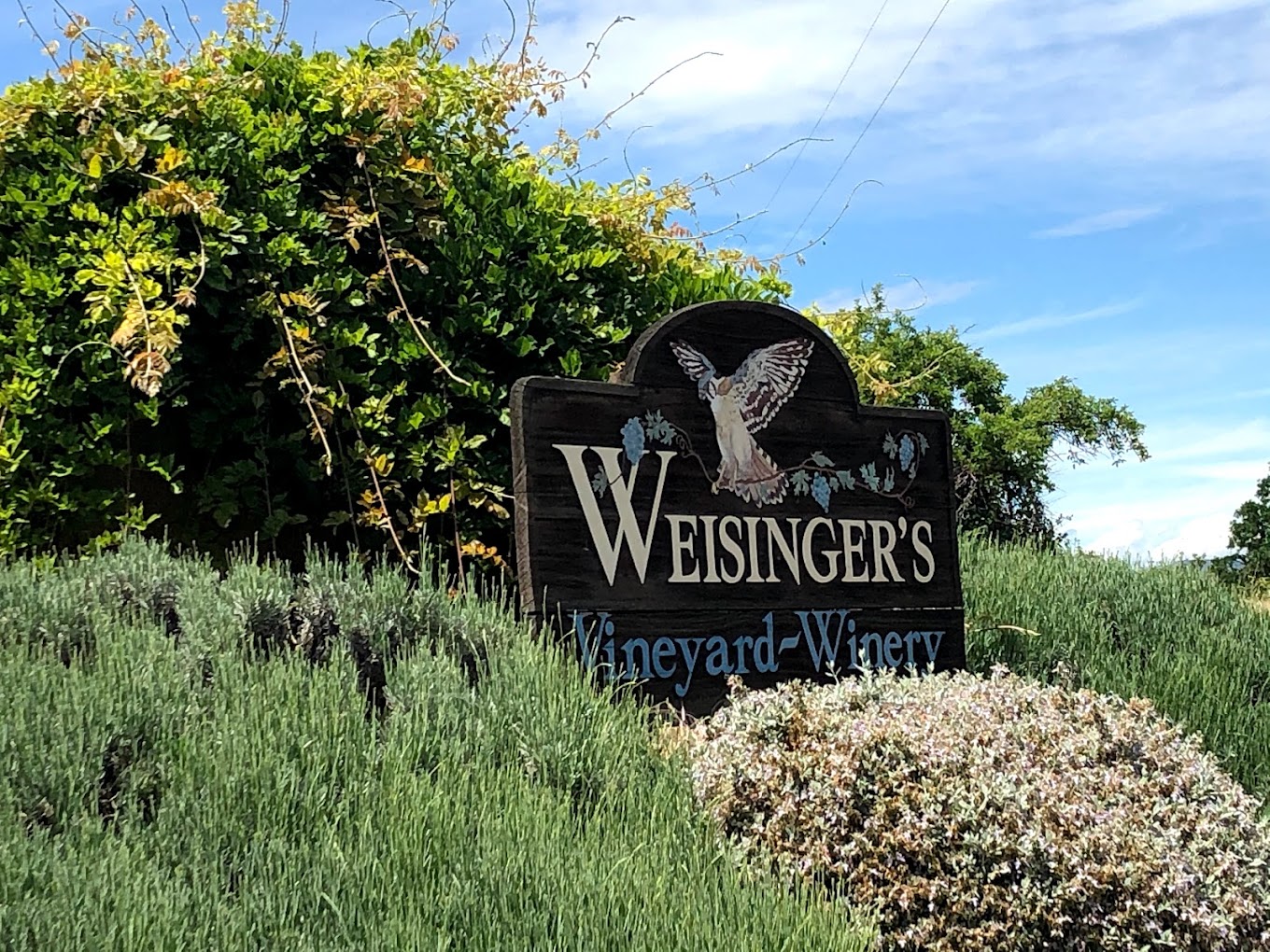
The Weisinger Family, on the eastern edge in Ashland is said to specialize in Tempranillo along with, Rhone and Bordeaux varietals.. Quite diverse for a 3,000 case annual output.
Acreage planted to Tempranillo has steadily increased in Southern Oregon over the last decade. Located just outside of Ashland, Weisinger was founded in 1988, making it one of the oldest in Southern Oregon. After assuming the winemaker’s role, Eric Weisinger began grafting over the original Gewurztraminer vines to Tempranillo. Adjacent to the winery, the Tempranillo occupies a steep, high elevation (2235 feet) northeast facing site. The Weisinger Family, on the eastern edge in Ashland is said to specialize in Tempranillo, Pinot Noir, Rhone and Bordeaux varietals, as well as proprietary blends. Quite diverse for a 3,000 case annual output.
My first experience with Weisinger was with the wines from 2018. 2018 was an ideal long, slow growing season with the Tempranillo picked in the first week of October. After being cold soaked and fermented for 20 days by native yeasts, the wine was barrel aged for 17 months in 30% new American oak. It offers lovely bright cherry fruit with hints of black tea and spice in a solid, medium weight package. The black cherry and spice theme continues in the deep flavors with subtle oak toast and firm, integrated tannins coming into play. Beautifully structured and focused throughout, it should drink well over the next 5-7 years. Not surprisingly, Weisinger’s Tempranillos have won many awards. I’ve scored them 93 and 94 in two recent vintages.
Weisinger Family Winery Roussanne, Fortmiller Vineyard, Rogue Valley, Oregon, 2019
Normally part of a Rhone blend, Roussanne as a stand alone varietal is one that seems to challenge winemakers. After experimenting earlier with Roussanne, in 2018 Weisinger resumed its efforts after discovering the north-facing Fortmiller Vineyard in 2018. In 2019, Weisinger harvested the Roussanne at a low 22.4 Brix to preserve acidity and after whole cluster pressing the winery barrel fermented the wine using native and commercial yeasts. The lees were stirred throughout the long fermentation. The result is a wine that showcases floral and lemony aromas, and the flavors are bright with citrus and honeysuckle notes. The leesy texture adds complexity and length to this delicate, lively and pretty wine.
Belle Fiore is the closest thing to a Napa-ish winery with its rather elaborate tasting room and chateau-like facility. It has a busy restaurant and is even a mini art gallery. But it is also serious about its wines made from its 31 acre estate vineyard surrounding the winery. The roster consists of the usual varieties such as Merlot and Syrah but then you get to the “others,” especially the Italians. Here you’ll find a Montepulciano (my fav), a Barbera, Teroldego, Fiano, and a rare Caprettone grape. These are all possible because the owners have identified what they call “16 micro-blocks” based upon soil types and elevation. Owner Edward Kerwin is a clinical research scientist and his wife Karen has an M.A in genetic counseling. Together they launched Belle Fiore in 2007.
Long Walk Vineyard: A Dream Retreat from Silicon Valley
Located in the hills above Ashland, Long Walk is a newly developed vineyard and historic 35 acre orchard owned by Kathy and Tom O’Leary, Silicon Valley techies. After a prolonged search, they settled on this cool, south facing site to pursue their dream to make Rhone inspired wines. The 11-acre vineyard is planted primarily to Rhone varieties. But they also like Zinfandel so there’s a smattering of Zin. “Field Notes” is their version of a GSM Rhone blend. Made from 40% Grenache, 30% Mourvedre, 10% Syrah and a splash of Carignane, it is medium dark in color and unfolds quickly in the glass. The nose starts out with pretty plum fruit along with a hint of leather and game but the bright black fruit character prevails. The flavors add some herbs and cherry and are presented in a round body with gentle, dusty tannins poking through. Pleasantly subtle and charming overall, it is one to enjoy over the next several years. Kudos for the light touch.
With Rose wines being so trendy and Roses now being made from just about every red grape available, it was an eye opener to encounter Long Walk’s rose from a red grape that’s ideal for a Rose: Cinsault. Popular in Southern France, Cinsault is light in color and low in tannin and remains the backbone for many Provence Roses. From vines planted in 2002, this winery’s Rose is an attractive pink-copper color and offers an aromatic mix of just picked strawberries, rose petals and summer flowers. Medium bodied and vibrant, it is balanced and has just enough acidity to bring it to a delicate finish.
As for the Long Walk Zinfandel, it too is impressive.
This new family run winery is based in the small town of Talent, near Medford. The label is a replica used by the family when the land was a pear orchard. Winemaker Matt Newbry and his wife Janéa, attribute the Inspiration Behind Talent Cellars to the very soil their family has been farming In Talent, Oregon since the 1920’s.
Sourced from two nearby vineyards, the 2017 Nuf Said is a blend of 75% Cabernet Sauvignon with 13% Petit Verdot and 12% Grenache. It was aged 22 months in French and American oak (50% new). It is medium bodied and vibrant with bright berry fruit and graphite and cedar in the aroma, yet it sweeps across the palate with juicy, ripe fruit and a hint of vanilla from the oak. Beautifully balanced, it finishes with light, ultra smooth tannins. Production was 250 cases.
A banner announcing “All wines, 20% off, semi-annual Wine Sale” caught my eye as I drove quickly past the shopping mall. The next day, slowing down, I noticed the store was one of those discount food places.
Probably nothing but wines in dented cans, right? So I kept driving. A few days later, no longer able to curb my curiosity, I stopped. And shopped. Like really shopped.
The sale was at a Grocery Outlet Bargain Market. The one I visited in Bermuda Dunes was a maze of wine with well over 100, maybe close to 200 wines on display. All in bottles ( no cans) and representing every wine country and many, many regions. Not surprisingly for a discount wine program, Argentina and Chile were well-represented, but Spain and Italy were not far behind. There were several Bordeaux along with the rest of France. California and Washington State had their own sections. One wall was lined with Chardonnay!
My first impression was “What the?” Prices started at $3.99 a bottle, with $6.99 looking like the average. Many of the labels were familiar brands such as Ravenswood, Pedroncelli, St. Clement, Canoe Ridge, McBride Sisters, and Mercer Estates, to cite a few examples. A Rose from one of the most reliable French producers, Chapoutier, was priced at $3.99. There also was a $5.99 white from Quinta de Crasto, a high-end winery well-known to me which is in Portugal’s Douro Valley.
Then I hit the motherlode with Pinot Noir from one of my long-time favorites, Sarah’s Vineyard in Santa Clara County. Normally selling for $35, there they were at $6.99. That first visit saw me walk out with several bottles in addition to the Pinots, and I’ve visited other Grocery Outlets since then.
I always try unfamiliar wines and while a few purchased were dogs woofing at me, the price range makes these explorations relatively painless.
But why are some wines so heavily discounted? My best guess is poor marketing on the part of the producer, the sales team, the importer and/or wholesaler. A small winery may need the cellar space for the newest vintage, or it just may need cash flow by selling in quantity. Bigger producers may be discontinuing the product or the label. Whatever, the appeal of the Grocery Outlet is that it doesn’t advertise the way the typical Safeway/Abertson chains do. For a producer, importer, and wholesaler, selling quickly and quietly has its appeal.
Since most normal people have not been writing about wines and probably haven’t spent time in every major wine country and tasted literally thousands, for what it may be worth to you, I’m going to share my thoughts and shopping tips here. After that, if you are still with me, the conversation will shift to some background about Grocery Outlet which has almost as many stores as Trader Joe’s but it is less well known.
Shopping Tips from a Wine Professional
1. Read the back label. The boring flipside with the mandatory details, not the artsy, colorful one with the brand. For each wine that interests you, if you don’t recognize the brand, look at the back label for the name of the producer. Or the company that bottled it. Both are in the fine print. Begin by learning the producer’s name is step #1.
2. The back label will also tell you the involvement of the producer/bottling company. For instance,”Produced & Bottled By” is a good sign indicating that the winery made most of the wine in the bottle, rather than buying it from another company. “Cellared By” is less reliable and
“Vinted & Bottled by” is pretty bogus. “Vinted” to me says the wine was bought ready-made and simply bottled.
3. Now to the wine’s origin. Check the place name, the appellation (where the grapes were grown) on the front label, such as Napa Valley or Columbia Valley with the home of the producer/bottler on the back. If you are looking at a Cabernet from Columbia Valley but see on the back that it was bottled in Napa, Lodi, or Acampo, it is a brand owned by a major company and the wine was trucked to a common bottling facility. The grapes may be grown in Napa or Sonoma, but If it says “Bottled in Modesto, CA,” the wine is, like Barefoot, one of dozens of brands owned by Gallo.
Yes, wines are transported in tanker trucks and in boats on their way to be bottled. You may be shocked to know that many Sauvignon Blancs made in New Zealand are shipped literally to a bottling plant in California. Check that back label if in disbelief.
4. How old is too old? Making sense out of the vintage date and vintage information. The year, say, 2020, simply tells you when the grapes were harvested, not when the wine was bottled. Most wines are at their best when young, especially whites and Roses. But a 3 or 4 year old white is not necessarily over the hill. A Rose, despite its fragile drink soon image can often be enjoyable 2 or 3 years after the vintage.
Red wines are more complicated and most are fairly safe up to 5 years after the vintage. My recent experiences involved two reds from 2013. The first, a Paso Robles, was clearly in decline, dull, lost its fruitiness and a little fizzy. The other, a Syrah from the Sierra Nevada Foothills, was at its peak. It was also an excellent Syrah. And both, to keep us on topic, were priced at $6.99.
But my shopping guideline is to avoid whites and roses that are 5 years or older and stay away from most reds more than 10 years old. Whether offered online or in a wine store, any wine around 10 years of age makes me question where it has been during those years. Was it properly stored? Moved around? Somebody’s reject? Yes, best to avoid older wines.
5. Corks and screw caps become an issue when shopping for discounted wines.. Let’s face it, most wines are displayed standing up and a few end up in the sunniest part of the store. Corks may be traditional but they tend to dry out over time and don’t protect the wine. So you’re better off passing over old wines with corks.
6. If you use the vivino site and take photos of bottles, it is better to use google to learn more about the wine. Vivino doesn’t sell most of these wines so will offer minimal info. Go to google to see if the brand exists, and then look for it at wine.com or cellartracker for its history. If it has one which is a good thing.
7.If you taste new wines with others, don’t give the price paid ahead of time. Both newcomers and longtime wine drinkers have been brainwashed to think price equates to quality. The same people who go to Amazon for the cheapest available product, will be predisposed to not like a cheap bargain wine.
Yesterday NakedWines announced that during the entire month of January it has slashed the price of all its single bottles and cases by 50%. And you don’t have to sign up because no subscription is required,
The half-price deal applies sitewide though a six-bottle minimum purchase applies.
NakedWines offered about 500 wines from around the world with the majority from Caiifornia and the Northwest. One of the biggest online dealers, it experienced a few big bumps in the road recently with management changes and lower than expected sales growth.
Though I’m not a big fan of NakedWines with its annoying talk about subscribers as “angels,” I have bought wines and reviewed the website. It claims to have 300,000 subscribers.
Another issue I had was the arbitrary basic prices given since it can come up with any price it wants to. But at 50% off, things have changed.
I’m also quite familiar with some of the winemakers who put their names on the labels. You can read all about the way so-called “angels” support the winemakers, but there’s much better use of time here to talk about the wines on sale.
So I put together a case of wine that I as a veteran wine critic would recommend and would personally enjoy as a consumer. For the 12 wines selected which were said to have a market value of $409.88 my purchase price was $92.38. The $100 voucher offered me helped.And these vouchers are widely available.
Now to the chosen 12:
Scott Steingraber Building Bridges Rogue Valley Viognier 2021 $12.49
Scott Steingraber Building Bridges Rogue Valley Tempranillo 2022 $19.49
Matt Parish “The 24” Contra Costa Zinfandel 2021 $15.99
Dave Harvey Walla Walla Valley Cabernet Franc 2021 $13.99
Michaud Columbia Valley Sauvignon Blanc 2021 $10.49
Mick Schroeter Russian River Chardonnay 2022 $14.99
F. Stephen Millier Black Label Calaveras Zinfandel 2021 $11.99
Scott Kelley Willamette Valley Pinot Noir 2022 $16.99
DRG Daryl Groom Alexander Valley Cabernet Sauvignon 2021 $18.49
Again, at 50% off, my price for these 12 wines is $92.38.
So, as you can see I prefer its red wines much more than whites and roses.
And I avoid the imports because whether from South America, Europe, or other countries, they are bottled in the USA.
A Cabernet Sauvignon from Chile or Malbec from Argentina imported and bottled in Lodi or in Napa’s American Canyon? That means they arrived by trucks and boats in large containers and have been pumped and fiddled with. Some I tasted were ok at best, but others were not.
As for other advice, it is better to act quickly because over its history when it runs out of some wines nakedwines then suggests replacements. That can go bad.
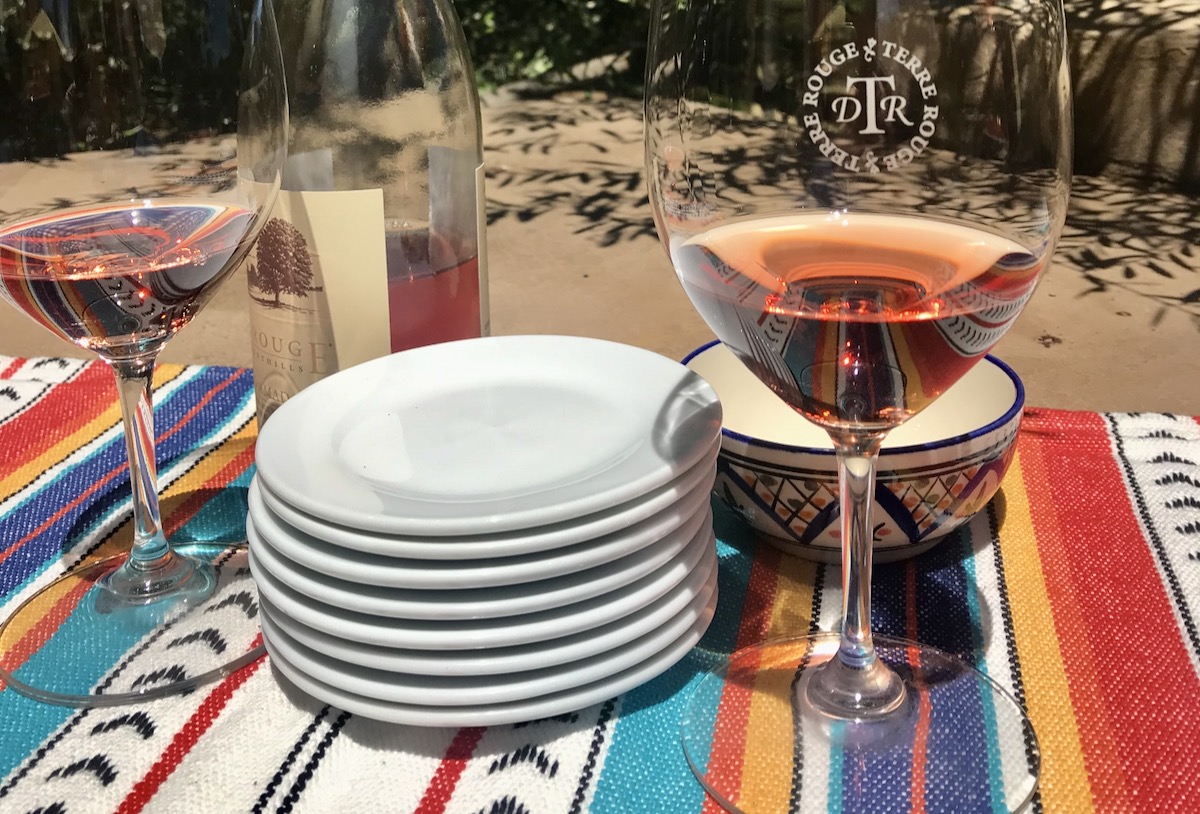

 From the winery’s cellar courtesy of Bill Easton. The color here is medium yellow but with some lively green glints. You really have to suspend your instincts about an “old” looking white because this wine is still very much alive. The intense aroma is a combination of nectarine and candle wax with some citrus and green tea subtleties. Concentrated with layers and layers of flavors, the wine offers a silky smooth, creamy texture from bottle aging. It has developed nuances of pear and honey flavors and a touch of almond but it is all seamless and harmonious at this stage. Finishes long and lively. What a treat to experience how well Roussanne responds to cellaring. It held up well when tasted again a day later. Amazing wine. 98 points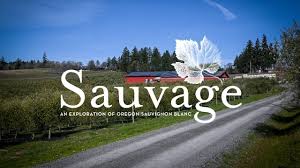
 This is the inaugural Sauvignon Blanc from Louisa Sawyer who sourced the fruit from the Rusack Vineyard which meets her requirements for being certified organic and for an ability to retain good natural acidity. The Sauvignon vines are also 20 years old. She fermented the juice entirely in stainless steel to allow the site to shine through. The aroma is vibrant, with lots of melon fruit along with figs and flinty-chalky hints. Medium bodied with similar melon flavors, it has a pleasant roundness in the middle palate before the acidity kicks in to bring it to a crisp finish.