Chateauneuf-du-Pape’s Hidden Gems: New Varietal Wines

“Would you like a rare and totally obscure red wine or how about a difficult to pronounce white?” For the latter, sommeliers may someday suggest a Bourboulenc. As for a rare red, then it could be a Muscardin, a Counoise, or a Cinsaut.  

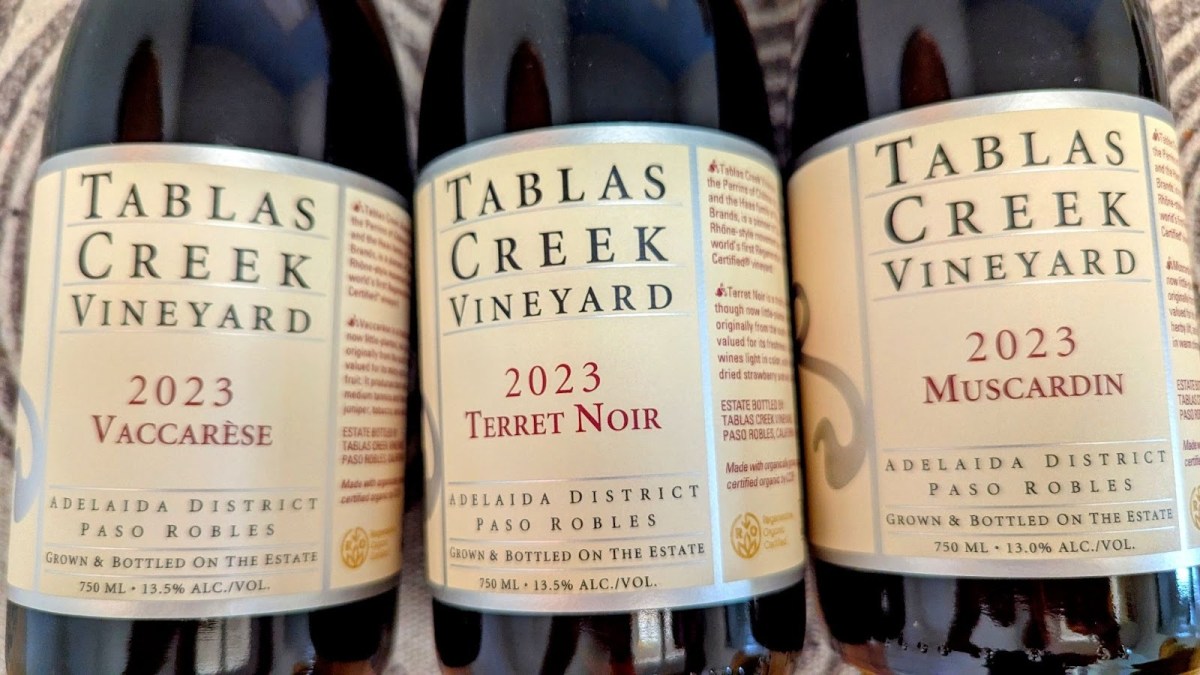
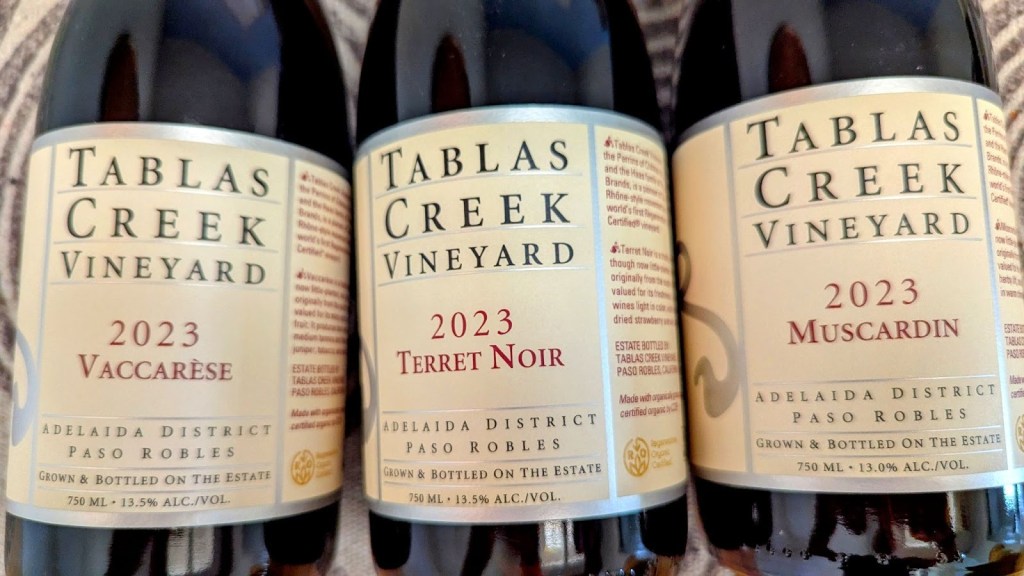
With the recent release of a Muscardin, “one of the most obscure wine grapes,” Tablas Creek Vineyard has now made varietal wines from each and every permitted grape variety in Chateauneuf-du-Pape (CdP).

Better yet, Bourboulenc and other once unknown varieties are being made by many other wineries, again thanks to Tablas Creek which imported and propagated all of them and over time sold something like 5 million cuttings to over 600 wineries. 

Every wine lover is familiar with the big three GSM reds and in recent years, both Roussanne and Picpoul have emerged from the pack as white wine choices. But what about the others that call Chateauneuf-du-Pape home?
Well, I’ve had the opportunity to try most of them and discovered several exciting possibilities for new varietal wines to expand our taste experiences.

At this difficult and confusing juncture for wine, maybe the downtrend in sales can be reversed by first having more choices. And with some of these new varietal wines, those just looking into wine might find them to be an easy to access onramp. One free from all the snobby historical baggage, vintage charts and point scores that probably turn newcomers off.  

Once venturing into the less travelled wine world, there’s always something new. For example, I learned there are now 18 permitted grapes. Originally when the Chateauneuf AOC regulations were drawn up there were 13. 

Among the additions you’ll see the expanded Grenache family that now includes Grenache Blanc and Gris and a couple of Picpoul siblings. Also, I had to be reminded that neither Viognier nor Marsanne, which are so much a part of wines from the Southern Rhone, are not members of the CdP family.

The Full CdP Roster

 Though my mind set is still stuck on 13 grapes permitted in Chateauneuf, here for the record are those now actually allowed:

Red Varieties: 

Grenache, Syrah, Mourvèdre, Cinsault, Counoise, Vaccarèse, Muscardin, Terret Noir, Picpoul Noir.

White Varieties:

 Grenache Blanc, Grenache Gris, Clairette Blanche, Clairette Rose, Roussanne, Bourboulenc, Picpoul Blanc, Picpoul Gris, Picardan

5 Other Wineries to Watch As We Keep Score

Several other wineries have joined Tablas Creek and have been exploring varieties other than Syrah, Grenache and Mourvedre. Here are the other major players I highly recommend:

Holly’s Hills Vineyard in El Dorado   hollyshill.com 

Acquiesce Vineyard in Acampo:      acquiescevineyards.com 

Starfield Vineyard in El Dorado:       starfieldvineyards.com

J. Dusi in Paso Robles :                   jdusiwines.com 

Red Door in Paso Robles                reddoorranchvineyards.com 

First Stop: Bourboulenc

Here’s a white wine with a name that could spark conversations or possibly be included in a French pronunciation final exam. “An ancient white grape from the region surrounding Avignon,  it is still valued in France for its vigor, floral character and ability to maintain acids in warm climates.” Susan Tipton of Acquiesce sees it as a natural fit for Lodi because “This late maturing variety is great at maintaining its acidity throughout the growing season.”

 I recently tasted two standouts that clearly indicate Bourboulenc is a complete wine on its own.  And with climate change, it could well be the white grape of the future.

Tablas Creek Vineyard Adelaida Hills District Paso Robles Bourboulenc 2022 $40. 

From 2/3rd of an acre, this is the winery’s 4th Bourboulenc and it is wonderfully unusual. Medium straw in color, it offers an intriguing aromatic mix of orange rind, apricot and lychee nut. Surprisingly rich and round on the palate, it combines orange and citrus flavors with a hint of stone fruit. The texture is rich, and then it finishes with a rush of lemony flavors and bright acidity. All of this is to be enjoyed in a refreshing wine with only 12% alcohol. 

To summarize: lovely aromas, terrific texture, mouthwatering flavors and youthful acidity holding it together. 91

Acquiesce Winery Mokelumne River, Lodi Bourboulenc 2023 $37

Acquiesce is an exciting new winery focusing on white wines and offering a wide range of Rhone-inspired wines. From the estate vineyard, which has the distinction of being the very first planted in the U.S. to this varietal, the grapes were harvested in late September. The wine is stainless steel fermented and then lees aged until being bottled. 

In the glass it is pale straw in color with a delicate aroma of lime and ginger. Nice and lively on the palate it offers flavors of melon and some chalky nuances. Round and smooth in texture, it has a lengthy finish with a chalky, lip-smacking finale.91

Conclusion: Move over Chardonnay. What’s not to like? 

Cinsaut

Cinsaut is also spelled as Cinsault for some reason. From Josh of Holly’s Hill: “Cinsaut is an interesting grape. It grows with huge oblong, olive-like, berries that seem to have no flavor as harvest gets closer and then all of a sudden, bam!, there’s the flavor.  We like it for its juicy fruits, chili spice and it makes for a very nice food wine.” 

It is fairly common as a Rose, and Long Walk Vineyard in Southern Oregon makes an impressive Rose from Cinsaut.  It is well-known in South Africa on its own and as a parent of Pinotage. California’s acreage is under 100 with the Bechthold Vineyard in Lodi leading the way. Tablas Creek planted it in 2017.

From Tablas Creek: “Its aromas of spicy raspberry, violet, and black tea, and flavors of tart cherry, redcurrant, and new leather make it a useful blending partner to higher-alcohol, more tannic red grapes, and it makes a delicious lighter red on its own.” 

Starfield Vineyards El Dorado, Cinsaut 2019  $32

 From its 31 acre vineyard, Starfield produces several Rhone wines as well as others in its “Mountain Mediterraneans” program. Fresh picked strawberry and cranberry juice dominate the refreshing aroma in this medium light-bodied 2019 red. But it really brings on the charm as its lively flavors expand across the midpalate with fresh berry and spice and red fruit persisting well into the aftertaste. More than a summer sipper, this is a versatile food companion. And delicious.92

Holly’s Hill Vineyard, El Dorado Cinsaut 2020 $28

Though Cinsaut is classified as a lightweight, this is no such thing. Based on its color and the initial sniff, my instinct says this could be a Cotes du Rhone Villages. A real good one! But then after an initial taste, it comes across with subtle, but charming flavors that don’t match anything in my experience. Its bright, fresh cranberry aroma mingles with spices and black tea, and the flavors are full of fresh picked dark cherries.  Balanced, with light tannin it finishes on a slightly tart note and lingering berries. 92

Conclusion: However you spell it, this is a red to explore. 

Clairette Blanche

To me Clairette Blanche is a welcome change of pace white with a bright future in California.  “Once one of the most widely planted white grapes in the south of France, it is now seeing a resurgence because of its freshness, its ability to express minerality, and its capacity to thrive in warm climates.” It was imported in 2003 by Tablas Creek.

Paper Street Vineyards J.Dusi Paso Robles (California) Clairette Blanche 2023 $44

From the Dusi family’s 106 acre vineyard in the Willow Creek AVA, Paper Street is a line of limited volume wines made by Janell Dusi. Clairette Blanche is regarded as a versatile white grape in Provence, the Languedoc and in South Africa. The variety was not available in California until 2009, and the first was made by Tablas Creek in 2014 and Janell followed in 2016. 

The aroma of her 2023 is an enchanting melange of green apple and peach with lime and fennel. It is medium full bodied, mouth-filling wine with vibrant flavors of youthful green fruit conveyed by crisp acidity. Peach and subtle lime linger in the palate cleansing aftertaste. Absolutely lovely. 91

Conclusion: Off to An Impressive Start! 

Grenache Blanc

Grenache Blanc is the tenth most widely planted white grape in France, and the fastest-growing white Rhone in California. Winemakers love working with it and it is widely adaptable to climates. Here are solid examples from two different regions.

Curran Santa Barbara County Grenache Blanc 2022 $22.00

Kris Curran rose to fame as winemaker for Sea Smoke. In 1997, she started her own label  and has been offering a Grenache Blanc since 2003. Entirely stainless steel fermented and with no malo-lactic, this is an all-purpose white to enjoy as an aperitif but it has the body and vibrancy to complement full-flavored entrees. It offers bright aromas of melon and mango with some lime and floral notes. The texture is pleasantly smooth and mouth-coating with decent acidity to add length. Melon flavors continue through the lingering aftertaste. This winery also works with Grenache Gris. 90

Klinker Brick Winery  “Under the Sea” Lodi Grenache Blanc 2023 $20

Made from a vineyard planted in 2011 that sits 13 feet below sea level, the wine is entirely stainless steel fermented and was lees aged for 31 days. First thing noted is that the color is almost opaque with a faint/pale straw look. The nose starts out with direct lemon and  some lime, and then the palate is big and plush. Peach and lime come through in the flavors that are all about freshness. Soft and creamy, it takes you to a gentle finish with just enough acidity. Fun and ever so easy to drink. 1200 cases

91

Conclusion: Move over Pinot Grigio. Keep an eye out for a new release of Grenache Blanc from Rhone specialist, Terre Rouge in the Sierra Foothills, Ridge Vineyards from Paso Robles and, of course, Tablas Creek from 2024.

Counoise 

Josh of Holly’s Hills has this to say: Leaning toward cherry fruit, “Counoise also tends to have a spicy quality that we like and we use it sparingly in our Patriarche blend where it offers highlights of red fruits and spice in the background. It’s a bit challenging to grow.” 

To Jason of Tablas Creek: “Counoise is a translucent purple-red, and has a vibrant, spicy character, with flavors of anise, strawberries, and blueberries. Counoise also makes a delicious single-varietal wine with the character of a Cru Beaujolais: earth, spice, intense floral fruit, light body, vibrant acidity and soft tannins.”

Holly’s Hill Vineyard, El Dorado Counoise 2020 $28

Excellent, deep color with an aroma of raspberries, lovely baking spices and floral notes. On the palate it offers vibrant flavors of spices and berries. The subtle floral component adds intrigue and there’s plenty of crisp acidity keeping it nicely woven together. Tannins are light and smooth. And the finish is fresh and long with spices such as cinnamon and clove.  It is reminiscent of a Moulin-a-Vent in weight and direct appeal, but it offers more layers as a result of the floral note and baking spices.  92     

Conclusion: Counoise has great potential as a beautiful drink now red.

Picpoul

Native to the Languedoc region of Southern France, Picpoul Blanc produces wines known in France for their bright acidity, minerality, and clean lemony flavor. Today the roughly 3,800 acres in France are centered around the village of Pinet in the Côteaux de Languedoc, whose Picpoul de Pinet wines are widely available.

From Tablas Creek: “in California, Picpoul maintains its bright acidity, but also develops an appealing tropical lushness. It is quite rich in the mouth, with an exceptionally long finish. When we have enough fruit, we bottle Picpoul Blanc as a single varietal, and the wine shows a rich nose of pear, pineapple and spice. In the mouth, buttery flavors of pineapple and orange are balanced by crisp acids.”

Vaccarèse

Tablas Creek Vineyard Adelaida District Paso Robles (California) Vaccarèse 2023 $40

This is the 4th vintage of the little-known and rarely grown Vaccarese and it is downright delightfully different. Medium garnet in color, it opens quickly to showcase enchanting rose petal, tea and strawberry on the nose. Medium bodied with delicate flavors of berries and spice with nuances of cherries and black tea.  It finishes with light tannin and a peppery note. It leaves you wondering why this grape remains obscure.  246 cases made.The winery blends some into its flagship Esprit de Tablas red. 92

Terret Noir 

An ancient grape from the Languedoc, its acreage has declined and today in Châteauneuf-du-Pape there are just 2 acres. It is quite light in color, but makes for a pleasant, fun red wine, based on my only tasting.

Tablas Creek Vineyard Adelaida Hills District Paso Robles Terret Noir 2021 $40

 Originally from the Languedoc, it has seldom been made on its own, most often blended with Grenache or its fellow family members,Terret Gris and Terret Blanche. Tablas Creek bottled 70 cases in 2021 and offers it at the winery.  Once poured, it has an unusual light red color that sets it apart from most red wines. The aroma is also strikingly unusual, neither berry-ish nor overtly fruity, it offers a pretty floral nose of roses and orange blossom. While light medium bodied at best, it delivers refreshing flavors reminiscent of red currants that are sustained and persistent. Gentle, fresh and lively in the finish, it is altogether pleasant and refreshing. Not an easy match with traditional food, it is a fun aperitif style red.

Muscardin

Muscardin is a rare grape that appears never to have been very common, or found anywhere outside the Rhone. “With only 27 acres planted in the Châteauneuf-du-Pape and even less in the rest of France, it represents one of the more obscure varieties.”

Tablas Creek Vineyard Adelaida District Paso Robles Muscardin 2023 $40

With this Muscardin, Tablas Creek has now made a single varietal wine from each of the permitted varieties allowed in Chateauneuf-du-Pape. With only 27 acres of Muscadin planted in France, this is a rare opportunity to taste a wine without expectations. It is medium dark in color, and the aroma initially is fresh fruit, similar to a Gamay. But with airing, it displays more red cherry and pomegranate with a touch of rose petal. Lively and smooth on the palate, it has pleasant bright somewhat herbal flavors and a gentle finish. In a word,”elegant” overall. 21 cases made. 90

Grenache Gris

Grenache Gris is often blended with Grenache Blanc in France, and the track record is very impressive. For the latest on Grenache Gris here, I defer to Randy Caparoso whose “Wine Clarion” on Substack has a brilliant in depth report
Re-Discovering the Authentic Wines of Roussillon

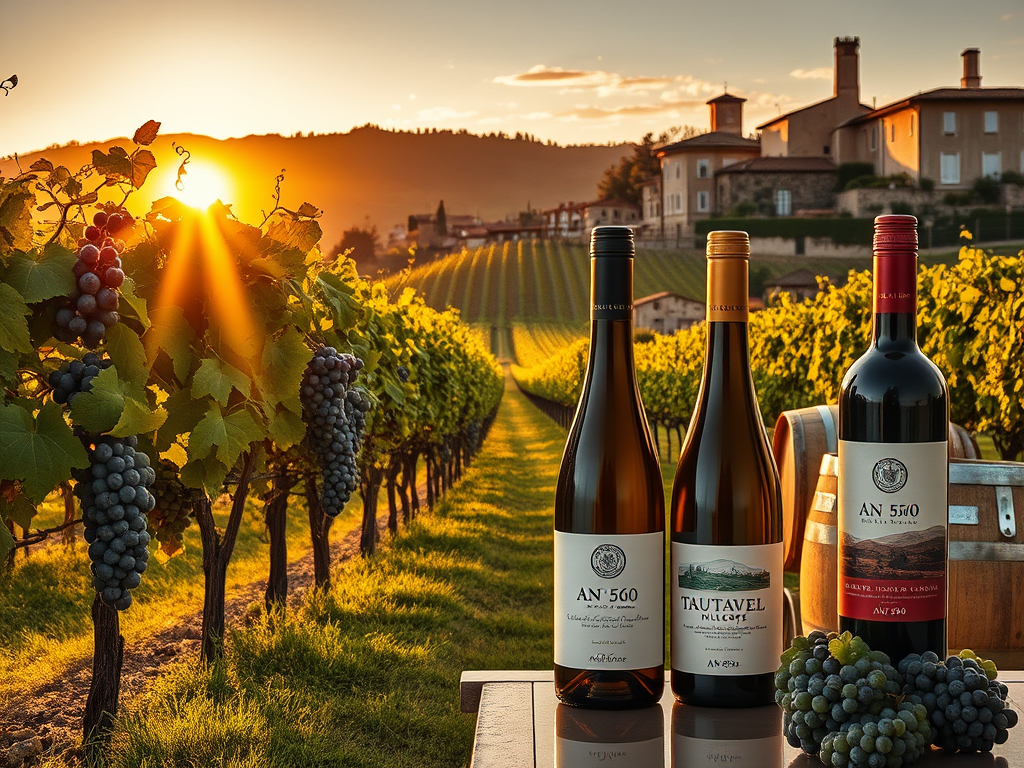
Gerard Bertrand, the ex rugby star who led the revival of Rose wines currently offers a wide array of wines from the South of France. From sparkling to orange wines, you name it and there’s probably one under his label. No, this is not another article about Bertrand who has apparently charmed the media. But one wine under his Heritage Group, the 2022 Cotes du Roussillon-Villages, Tautavel “An 560,”caught my eye and got me thinking.

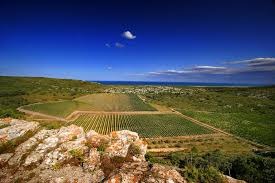
When writing for Decanter Magazine a couple of decades ago, I visited Tautavel and other villages within Roussillon. After tasting wines at a dozen or so wineries that week, I found the wines to be truly unusual and exciting. The article that resulted was absolutely brilliant, of course, and dripping with enthusiasm. 

Many of the owner-winemakers visited were young and enthusiastic, and were committed to sustainable farming. Here are those that whose wines were the most memorable: Domaine Gauby, Força Réal, Domaine Mas Cremat, Domaine Fontanel, Domaine Gardies, Domaine Piquemal, Domaine Joliette, Domaine des Schistes and Domaine Mounie. But what really unified these young winemakers is summarized by Gerard Gauby:

‘From selected sites within Roussillon, we can offer wines that are modern but authentic. If you are passionate about wine, you want authenticity. Without it, or when you try to make wines in the international style, you lose your identity as a region and as a winemaker.”

“Authentic” wines, as opposed to those made in the international style, too often fly under the radar these days.  My visit took place when Robert Parker was extremely influential. And for any region or single winemaker to opt for a pass and not court him was unusual. 

Places & Rules

In 1997, when the appellations, Cotes du Roussillon and Cotes du Roussillon-Villages were officially defined and all the guidelines worked out, the emphasis fell on maintaining traditional approaches.  Basically, single variety wines were ruled out. For red wines, five varieties were permitted – Grenache, Carignan, Syrah, Mourvèdre and the rare Lladoner. To qualify for either AOC, winemakers were required to use a minimum of three varieties, with the two most significant used not to exceed 90%. Whenever Carignan was included, the law stipulated that at least 50% be made by carbonic maceration. Whites were similarly regulated and had to be blends.

Also In 1997 after a lengthy wait, AC status was given to four stand-alone communes: Tautavel, Lesquerde, Caramany and Latour de France. But today, only Tautavel merits special status. 

In 2023, the AOC regulations were modified and the Carignan requirement was modified. But still the rules work to preserve the historic identity of the appellations. Both reds and whites must be made from at least two varieties. For reds, no one variety can exceed 80%, and for whites, Grenache Blanc and two other varieties must make up 50% of the blend. 

Of the two appellations, Côtes du Roussillon extends over more territory and includes more low-lying vineyards. The area covers 6,300ha in and around 118 towns. As a rule of thumb, red wines from this appellation are still likely to contain more Carignan and are less likely to have been oak aged.

Confined to the northern sector, Côtes du Roussillon-Villages covers 2,500ha and is for red wine only. It includes some of the oldest and steepest vineyards – many of these must be terraced. Here are some old vine Grenache and Carignan, but also the push to plant Syrah was obviously felt here. Starting in the 1990s, many of the cuvees began including some Syrah. 

If winemakers want to stray from the strict rules, say, by making a single varietal or using varieties like Cabernet Sauvignon or Chardonnay, the wine can then be labeled “GP Côtes Catalanes.”

 Back to the Present

Recently my enthusiasm for traditional Roussillon wines was revived after tasting an unusual white wine.That wine, a 2021 from the Domaine de Clos des Fee is a Côtes du Roussillon blend under the Les Sorcières” moniker. The winemaker is Herve Bizeul who back in 1995 acquired 8 hectares, including a large parcel of old vine Grenache Blanc. Herve at the time was a bit of a celebrity in France having been named Sommelier of the Year. 

Though he had no intention to quit his day job, his first wine named “La Petite Sibérie” was an instant hit so he turned to winemaking full time. Over the next few years his vineyards were expanded parcel by parcel and now consist of 30 hectares.  He offers a red and white under “Les Sorcieres,” both intended as entry level wines, not collectibles.

This 2021 Les Sorcieres is 40% Grenache Blanc, 10% Macabeo, 30% Vermentino, and 20% Roussanne, the last two planted on limestone soils in 2011. The Grenache Blanc vines date back to 1945. 

The wine is a bright light yellow in color and offers a fresh pear and chalky aroma with light citrus accents.  On the palate it is a big, round mouthfilling wine with lively white fruit flavors that won’t quit. Finishes with good length and ends on a palate cleansing, long lasting note.  The main takeaway is that the wine is unusual in an extremely pleasing way. Probably the best descriptor is “authentic.” 

Back In the Day

In my Decanter Magazine article,  I singled out his 2001 Les Sorcières red, with just a hint of oak, and the 2000 Vieilles Vignes with more oak which was intense, complex and a long ager. Even more impressive was Bizeul’s high-end cuvée Le Clos des Fées, from equal parts Syrah, Grenache, Carignan and Mourvèdre. My review ended with “Aged in oak for 18 months, this incredible wine is hard to top.” 

Domaine Gauby, founded in 1985, may have inspired Bizeul to settle into Roussillon. In early 1985 Gerard Gauby convinced his family to leave the Coop and make wines from their vineyards. Arguably among the first to abandon chemicals and move toward biodynamic farming, Gerard Gauby won over the British trade with his early vintages and was heralded as an authentic garageist by the 2000 vintage. High praise was heaped upon his Syrah-driven cuvée, La Muntada, that in both 2000 and 2001 went way off the charts. 

Working with partners from the UK, Gauby added wines under the Domaine Soula name. A blend of Marsanne, Grenache Blanc, Sauvignon Blanc and Chenin Blanc from late-maturing hillside sites, Soula’s 2001 Blanc struck me as an amazing, vibrant wine. The Soula 2000 Rouge, predominantly old-vine Grenache aged in new oak, was concentrated and garrigue scented. Though Gauby is no longer involved, Soula maintains the same goal of regional authenticity.

While the Brits strongly suggested a visit to Gauby would be crucial to my article, my favorite wine merchant in St. Foy La Grande, pointed me toward another voice, Domaine Gardies and its young winemaker, Jean-François Carrel. His was the third garigiste type winery to be established in the mid 1990s. 

“Since putting his signature style on the 1996 vintage, he has become one of the top winemakers here. His wines are also having a profound impact on the future direction of Roussillon: intricate, structured and harmonious, they show the kind of restraint often tagged feminine with regard to ripeness, oak level and flavour complexity.”

With the 2000 vintage, Domaine Gardies hit full stride. With half of the cuvée aged in oak, the 2000 Gardies, Les Millères (50% Syrah and equal parts Mourvèdre and Grenache) is finely balanced. With fine tannins and perfect balance, Domaine Gardies 2000 La Torre, (Mourvèdre, old-vine Grenache and old-vine Carignan) is an outstanding example of the heights that can be reached with a traditional cuvée.”

Acknowledging the difficulties winemakers face in this warm climate, he feels that knowing when to harvest is the key to success. “Picking a day late or a day early can spell the difference between a balanced wine and overripe jam.” 

 Back to the Future

Along with the three early pioneers mentioned here, Roussillon has attracted several bigtime players. Michel Chapoutier offers both red and white Cotes du Roussillon under the Bila Haut brand. Domaine Lafarge includes wines from this region in its ever-expanding portfolio. 

Current vintages from these two share a style that is at once rich, lively and unctuous: 

Bila-Haut Michel Chapoutier Côtes du Roussillon (Languedoc, France) 2022 $15

Grenache Blanc and Grenache Gris with a dollop of Macabeo, this is full-flavored and lively. Yellow with a hint of green, it offers lots of spice, fennel and mineral notes. Smooth, round and gentle on the palate, it has some bright citrus taking it to a pleasing finish.

Domaine Lafage Cuvee Centenaire Blanc Vieilles Vignes Cotes du Roussillon (France)  2021 $18.00

From vines a century old, this white brings together Grenache Blanc and Grenache Gris and adds younger Roussanne in a full bodied package.  Peach and citrus along with light floral notes on the nose.  Rich, unctuous palate with broad flavors of stone fruit and some chalky back favors.

Let’s not forget  Gerard Bertrand. He ended his 10-year rugby career in 1987, following the death of his father, a well-known winemaker in Languedoc. He inherited Domaine de Villemajou, which is based in Corbieres. That’s where the Rose Clos du Temple is made today. 

 And now Gerard Betrand is a major player in Roussillon. He focuses on Cotes du Roussillon-Villages from Tautavel. His wine named “Heritage An-560” brings together Grenache, Carignan and Syrah, with a portion blended in oak for 9 months. Another Tautavel is the 2021 Gerard Bertrand Tautavel “Grand Terroir.” 

And what does that “An-560” mean in the name? Well, like so many who were born and raised in the area, Bertrand is ever mindful of the region’s place in history. It was once the home to the Cathars, a fascinating religious group living in several villages. But they annoyed certain people and the Cathars were wiped out during the Crusades.

But Roussillon’s  historical impact goes way, way back. In 1971 around the village of Tautavel, some of the oldest indicators of human life were uncovered.  Known as “Tautavel Man,” these remains date  back to 450,000-560,000 years ago, so that’s the “560” reference. Basically, the Roussillon area is thought to be one of the cradles of civilization. 

We can suspect that Tautavel Man who was found in a limestone cave probably engaged in a little winemaking. What do you think? Did he make a blend of Grenache and Carignan?  Mostly new vines probably.

Do you know the way to Vezelay?

Do you know the way to Vezelay? Well, it leads to a great wine discovery in France and I, pumped up like a new WSET level 4 “expert,” was about to invite you to come along in the journey, only to be brought back to reality. As I learned from a little research. My discovery road trip was 40 years too late.  I found that out when I opened a favorite book from my wine library.

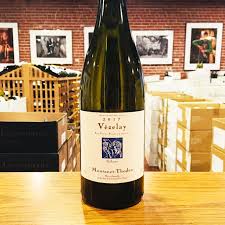
In 1988 in his Adventures of the Wine Route Kermit Lynch described Vezelay as a then “freshly minted AOC capable of producing distinct, world-class Chardonnay.” Just to rub it in a little further, my discovery was a 2022 wine made by Domaine Montanet-Thoden. Kermit’s reference was to Vezelay wine  “especially in the hands of a vigneron as talented as Valentin Montanet.” Same family of winemakers, just different generations.

Well, better late than never, or whatever cliche AI might use. Another point brought home to me when browsing through the Kermit Lynch book is how mechanical, predictable and boring a lot of wine reviews have become these days.  Here’s how Lynch described the Vezelay Chardonnay: “This climate, a clay-and-limestone soil, and stainless-steel vinification are the pillars of Valentin’s Galerne Blanc, a divine rendition of pure, chiseled Chardonnay, bearing notes of orchard fruit, citrus, and oyster shells.” 

a divine rendition of pure, chiseled Chardonnay.

Yep, he described the wine as “a divine rendition of pure, chiseled Chardonnay.” If this has caught your attention, you should try to get hold of the latest edition of  Adventures of the Wine Route which is available from Amazon. 

The writing style is so different from today’s wine ramblings.  It was not only written in a different era in which Lynch was not shackled by the 100 point rating system but it is also written from the point of a view of a wine retailer, a wine merchant. A self-taught wine merchant who approaches visiting wine regions as an “adventure” no less. Not a SOMM, not a WSET holder, not an influencer.

Returning  to Vezelay

And now back to Vezelay and what I learned. It is located south of Chablis and its winemaking goes back for centuries. The medieval village was an important resting place in pilgrimages. And of course, good pilgrims likely enjoyed the local wine. But the vineyards were pretty much wiped out by phylloxera, and it was not until the late 1970s that replanting was underway. 

By 1985, the vineyards were still growing and they were merged into the Burgundy AOC. A few years later they were upgraded to the regional AOC of “Bourgogne-Vezelay.”

Montanet-Thoden, the producer that I “discovered,”  was founded in 2000 by Catherine Montanet of Domaine de La Cadette in collaboration with Tom Thoden. Around that time they planted 6 hectares of Chardonnay and farmed them organically in Vezelay. Largely due to their efforts, Vezelay was granted AOC status in 2017. 

The soils are said to have more clay than Chablis, but they still have a good amount of limestone for their minerality.  Most of the Vezelay vineyards are planted along the higher elevations of the region. Montanet-Thoden Bourgogne Vézelay Blanc Le Galerne is the wine’s full identity, and “Le Galerne” refers to the wind that also helps define this appellation.

In a review posted in winereviewonline.com I gave Domaine Montanet-Thoden Bourgogne Vézelay Blanc Le Galerne 2022 which sells for $39 with a rating of 93. 

Now I realize how impersonal any score is. But I did describe the wine as having oyster shell minerality, and wish I could have come up with “divine, pure chiseled Chardonnay.”  

Chablis’ Dirty Little Secret

Chablis may well be one of the most recognizable wine names and also among the most  misunderstood by wine consumers. Some old-timers associate the Chablis name with cheap jug white wine. Then the French don’t help by their obsessive categorization of wine regions. So there are 4 types of Chablis which is a major wine region located in the northeast of France, all made 100% from Chardonnay. 

The four types which are really appellations are: Grand Cru, Premier Cru, Chablis, and Petit Chablis. And the most understood is “Petit Chablis.”  And the most likely of the four to offer super bang for your bucks is…Petit Chablis. So do I have your attention now?

Petit Chablis has nothing to do with being little, but everything to do with place and soils. That’s what most French wine is all about, in case you forgot. While the other categories of Chablis share a type of ancient limestone soil known as Kimmeridgian, Petit Chablis is grown on a more recent type of limestone categorized as Portlandian. 

As vineyards were expanded in Chablis, all of the vineyards on this type of soil were most often on the higher slopes or the beginning of the plateau. In other words, on the outskirts.   A relative newcomer in French wine history,  Petit Chablis became official in 1944.

By today’s standards, the vineyards of Petit Chablis which now represent 20% of all Chablis are not inferior so much as they are not located on that precious ancient limestone soil. And, no surprise, Somms and influencers thrive on babbling about how much they know about the 180 million year old soils. And that rant might lead to terroir, another soil-related subject SOMMS will beat to death.

So back to plain talk and the wine that ignited this conversation.

The wine is: Prieuré Saint-Come Petit Chablis (France)  2021 $25 and I’ve seen it selling for $20. 

It is bright and lively from the get-go with an aroma of fresh cut apple, and a little hint of lemongrass and citrus. The taste is again vibrant with tart apple and a chalky, crisp aftertaste that is a hallmark of Chablis. ALL Chablis.  This Petit has all the right stuff without oak and is moderate in alcohol, so it invites a second glass and is ever so food-friendly.

Fresh, lively, and with no ponderous oak or alcohol, Petit Chablis is worth exploring as a white wine that happens to be made from Chardonnay. In addition to the wine mentioned earlier, here are my 5 suggestions of the leading producers of Petit Chablis.

Domaine Jean-Marc Brocard 

Michel Laroche et Ses Enfants 

Samuel Billaud

Domaine Jolly et Fils

Domaine Roland Lavantureux