At Tooth & Nail which is one of my favs. Great wines from Paso and the Central Coast.
Shop at toothandnailwine.com
Here you go:
“We are opening our warehouse for a major sale of all of our wines.
All of our wines are now 40% off and if you’re a member with us, you’ll receive an additional 10% off, making all of our wines 50% off for our members.
Since our tasting room is closed, this is an online offer only with complimentary shipping on orders of $100 or more.”
While supplies last. All sales are final.
For reviews, see the reviews at winereviewonline.com
I love the Syrahs and gave one of their Grenache a score of 97 points!
There are several different labels, such as:
Amor Fati: Syrah, Grenache, Pinot Noir and Chardonnay, all from cool climates.
For me, these 4 were love at first taste. All scored 92 points or higher. See reviews at
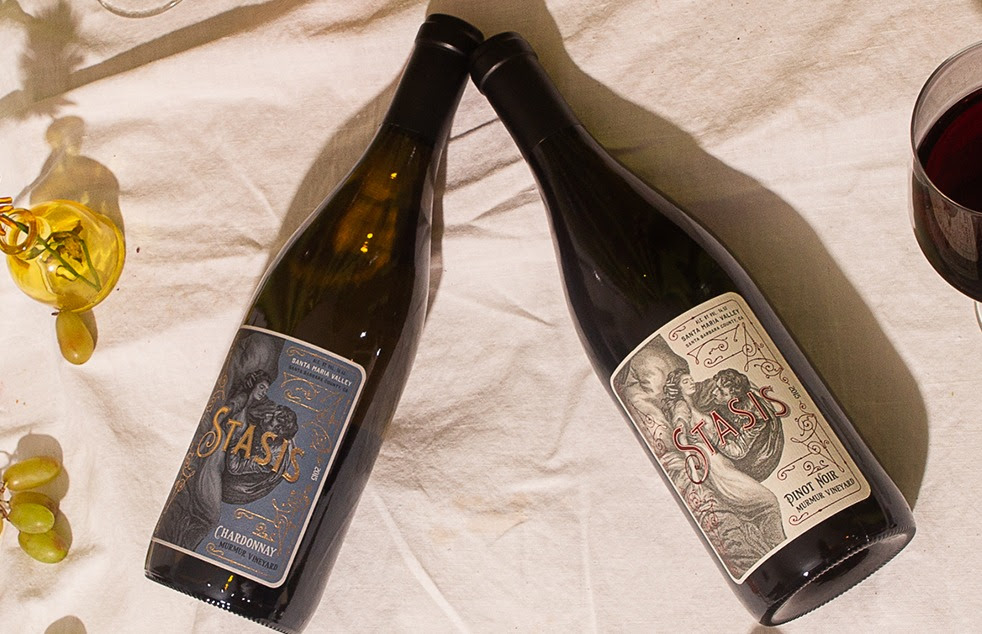
Stasis: Pinot Noir from Santa Maria and a Viognier. Both excellent. Destinata: Drink now, no fanfare Chenin Blanc, Riesling, and Syrah. All good. All fun. Especially the drink-now style Syrah. The dry Riesling and Chenin will surprise you.
If you are shopping for excellent wines at reasonable prices, then forget about those made by celebrities, cult wines, and wines made by 100 point rockstar winemakers. Let them all be legends in their own minds, and seek out wines made by real people.
I recently rediscovered one of my favorite examples of a family owned winery making excellent, affordable wines. Here’s how the winemaker summarizes things:
“It feels right to make the best wine possible and to sell it at a fair price. Our instincts tell us that being honest, being consistent, working hard, and thinking outside the box is more important than anything else in business.”
The California winery is Marietta Cellars, founded in 1978 by Chris Bilbro and now in the hands of Scot, his winemaker son. While the original winery in Sonoma County was a rented cow barn, they now own 300 acres in Mendocino and Sonoma. And if you like old vine wines from Syrah and Grenache, well the Bilbros are your kind of people. They have some of the best vineyards farmed organically.
Since Day #1, Marietta Cellars produced affordable wines, starting with blended red wines based on Zinfandel. Their benchmark Old Vine Red was first made in 1982. “Affordable” and “blended” are not exactly popular search tags in today’s wine world. Then add that the production is not tiny and the wines are not allocated to a select few, and voila? Marietta wines are available direct from the winery, online, and yes, even in wine shops.
Go to www. mariettacellars.com You can also find 8 Marietta Cellars’ wines today at www.wine.com
Here are my recent reviews on two of those wines:
Marietta Cellars California OVR Old Vine Rose 2023 $19
Here’s an absolutely lovely Rose to enjoy year round. The Bilbro family has long specialized in old vine wine, and Scot Bilbro has been the winemaker since 2012. Chris Bilbro, his dad, founded Marietta back in 1978. This 2023 Rose is made from 50% Syrah, 25% Grenache, and 25% Grenache Gris, with all of the fruit from the estate’s organically grown McDowell Valley vineyards established well over 100 years ago. With its inviting coral-pink color and its lively peach and melon aroma, the wine charms you and seals the deal with its juicy peach and pomegranate flavors which come with a hint of spice. Nicely textured, it remains lively on the palate and finishes on a crisp note. 93 points
2021 Marietta Cellars “Christo,” Estate Grown, North Coast $20.00
“Christo” refers to the family nickname for Chris Bilbro, veteran Sonoma winemaker. A Rhone blend (68% Syrah, 20% Grenache, 18% Petite Sirah, & 4% Viognier), this is a powerful, full bodied red. Aged for 18 months in neutral oak, this blend offers a solid core of ripe fruit and is built on a solid foundation. The aroma is fantastic. It opens to reveal background notes of spice, ripe plums and earthy, forest floor. Some subtle floral hints of violets and lavender emerge with aeration. On the palate, black pepper pokes through in the intense, rich berry flavors. The lengthy finish has a pleasant touch of juicy blackberry fruit and light tannin. Taken altogether, this wine has it all. It is a whole lot of wine for the money and should age well. 94 points
So why isn’t Marietta Cellars better known?
Well, I’ll let the Bilbros offer a reason: “We are hands-on and busy year-round.”
Why would any normal person start a winery these days? Well, let’s go rogue and find out.
Oregon just nudged ahead of Washington State and is now home to over 1,000 wineries, second only to California. The last I heard California had over 4000 wineries. New wineries are opening up each week and the Rogue Valley is attracting more than its fair share of newbies.
But why now?
The oft quoted reason is “the pursuit of a dream and the lifestyle.” That was voiced during the boom decades of the 70s and 80s in California and still reverberates in this decade along the entire West Coast.
Who are these wine dreamers? In the US, unlike in traditional wine countries, most winery start-up founders are career changers (doctors, lawyers, high-tech) but a few are from a farming background and a few are out and out science nerds. Yes, there are wineries started by celebrities of some kind with too much money and too big of an ego. And then there’s the epiphany story.
When you peek behind the label to see who the owners are among the rising stars, you once again encounter the Rogue Valley’s diversity.
Goldback Wines: Watch out for Lightning
Speaking of an epiphany, Goldback is a good place to start our second tour of the Rogue Valley. Named after a fern indigenous to Southern Oregon, this authentic, small lot artisan winery was launched in 2016 by winemaker/owner Andy Meyer. He caught the wine bug as a college student looking for a summer job. “I answered a craigslist ad for a tasting room job for the summer, which just happened to be for Cristom Vineyards. Within 15 minutes of driving up the driveway for the interview, a lightning bolt struck. I knew that working in wine was what I wanted to do for the rest of my life.”
After the lightning strike his resume expanded to include working harvests at William Selyem and Hirsch Vineyards in Sonoma, Felton Road in New Zealand, Mark Ryan in Washington, and Cape Mentelle in South Africa. From these experiences as well as his time as a restaurant wine director, he favors a minimalist approach to winemaking and aims to preserve natural acidity in whites and tannin integration in his reds.
As for his own wines, the red Cuvee is the winery’s version of a Cotes du Rhone, drink now red. A blend of 58% Syrah and 42% Grenache, it offers plenty of bright raspberry fruit in its aroma and has a pleasing soft entry to deliver berry and cherry flavors.
Goldback’s Syrah is a blockbuster that showcases Syrah’s full throttle concentration and purity and is all about the grape and the site. In recent vintages, Meyer sought out the nearby Meadowlark Vineyard with its granite soils and sustainable farming. But the site is also very windy which forces the vines to shut down frequently and contribute to a long growing season. Similar, says Meyer, to the effect of the Mistral in the Rhone. The resulting wine is dark purple and loaded with ripe plum and a floral, wild thyme character. Medium full, it is concentrated with dense, ripe black fruit flavors and some black pepper. Plush and seamless, it will benefit from a couple of years of bottle aging. But could age for a decade or more.
From the oldest block of Grenache from the neighboring Jaxon Vineyard,Goldback’s Grenache is a selection of the winemaker’s favorites. Those selected stood out for being “Pinot Noir-ish”and the wine is indeed not your typical Grenache. A long cold soak and a 22 day fermentation with some whole clusters, the wine was aged 18 months in neutral French oak. The nose offers up loads of vibrant, cherry, strawberry fruit that carry over into the smooth flavors. There’s a touch of earthiness in the nicely textured finish. In 2020, Goldback continued experimenting and bottled one barrel of Grenache that was 100% whole cluster, carbonic maceration.
A beautiful hillside vineyard overlooking the Rogue Valley in Southern Oregon was planted by Dr. Peter William Adesman. Along with being a full-time practicing physician, he has been an avid wine collector and educator since the 1970s, and long dreamed of producing his own wines. He notes: ”In 2007, my wife, Dr. Robin Miller, and I moved to a property in the Rogue Valley where we could plant a 10-acre vineyard. That is how Peter William Vineyard was born. Our first commercial vintage was 2016.”
Peter, only call him “Doctor” if you are his patient, is dynamic, enthusiastic and has an encyclopedic wine knowledge based on tasting and traveling. For his winery, Syrah is offered in several styles. Of the 4 Syrahs made by this winery in 2018, one labeled Candives is 100% Syrah made from the estate vineyard and aged entirely in French oak, 50% new. To distinguish it from the others, the winery went with the “Candives” name, said to be an alternate name for Syrah used in the tiny village of Chavanay in the Northern Rhone Valley. As fine as the other 2018s are, this is so dark, dense, and dramatic that the special name is certainly merited. Ultra smooth and seamless, it is beautiful now but will also bring rewards with cellaring. 94 points.
Another small batch Peter William Syrah is made from estate grown grapes which are vinified by winemaker Eric Weisinger who is the “W” referenced on the label. The end result is a compact, powerful expression of Syrah that may be one of the best values around these days. It is pure ripe Syrah beginning with its dark color and earthy, leathery, black pepper aromatics.
Then there’s an exciting blend from Peter William aptly named “Extravagance.” It may be going on elsewhere, but Southern Oregon sure seems to be a hotbed of creative winemaking energy leading to fascinating blends and unusual wines. A 50-50 blend of Tempranillo and Syrah, Extravagance is aged for 21 months in French oak and bottled unfined and unfiltered. This intriguing blend turns out to be delicious red wine with both depth and charm. It comes across as ripe, plush Syrah built on a Tempranillo framework.
In 2023, the 2-Hawk Winery was rebranded Padigan, the name taken from a soil type. This 24 acre vineyard is owned by Ross Allen, a third generation farmer from the San Joaquin Valley.
Both before and after the name change, Malbec was a major success along with the winery’s Syrah and Viognier. With the release of its 2019 wines, the winery began hitting full stride. 2019 was an exceptionally long, coolish growing season, and the winery’s estate grown Malbec was not harvested until mid to late October. The juice was wild yeast fermented, blended with 10% Cabernet Sauvignon and aged for 28 months in oak. 21% new, 61% neutral. Intensely dark, this Malbec is concentrated and needs some aeration to strut its stuff Overall, an exciting, multi-layered Malbec.
Then there’s Padigan’s Viognier. It takes a grower who knows every vine on the estate to know the best time to harvest Viognier. Ross works closely with winemaker Kiley Evans who explains:
“The trick with Viognier is getting it ripe beyond the bitter almond finish that can be a nuisance in the wine, but not so ripe that it is overly alcoholic/hot and I’ve seen that progression happen in as little as 2-3 days.”
Padigan’s 2021 is a lovely expression of Viognier. Big and round on the palate, it remains lively with good citrus fruit along with crunchy melon flavors. The texture is heavenly and the wine brings it home with a long lasting finish with a subtle zing to it. This could serve as a benchmark Viognier that’s neither over the top in ripeness and alcohol nor one that relies on oak. Native yeast fermented, It was aged sur lies for 11 months in 35% new French oak and later rested on the lees in stainless for 6 months. It seems likely to become even more complex with aging for 3 to 5 years
DAN and CINdy Marka met while studying viticulture at UC Davis. To them, wine is all about sites, clones, soils and aspect. Both must have been super students because their vineyard is beautiful and impeccably maintained.
Dancin is also one of a handful of Rogue Valley wineries making a Pinot Noir, but Dan Marka explains,
“ Our site was created for Pinot Noir and Chardonnay with its north, northeast facing aspect, 1800 foot average elevation and shade occurring beginning at 5:45pm (depending on the Block) throughout the growing season. We are finding that we can produce delicious Pinot Noir with great flavors and balance at alcohol levels in the mid to upper 12’s to the very low 13’s. Our wide diurnal swings allow for flavors and ripeness to occur during the day with acids retained during the overnight hours. We can see daytime highs to overnight lows vary by 40 degrees!”
And he adds that the same Pinot Noir clones ripen later at his site than they do in McMinnville or Dundee.
As a specialist, Dancin is an exception where it is more common to grow a dozen or more varieties within an estate. But, digging a little deeper, you discover the winery’s roster offers lots of exciting choices. Dancin makes 4 distinct Chardonnays, 4 Pinots from different blocks or different clones. It also makes Syrah, Sangiovese and Barbera. If you enjoy Barbera, Dancin’s won’t disappoint.
Weisinger Family Winery: 2nd generation wine grower
Tempranillo Estate, Rogue Valley
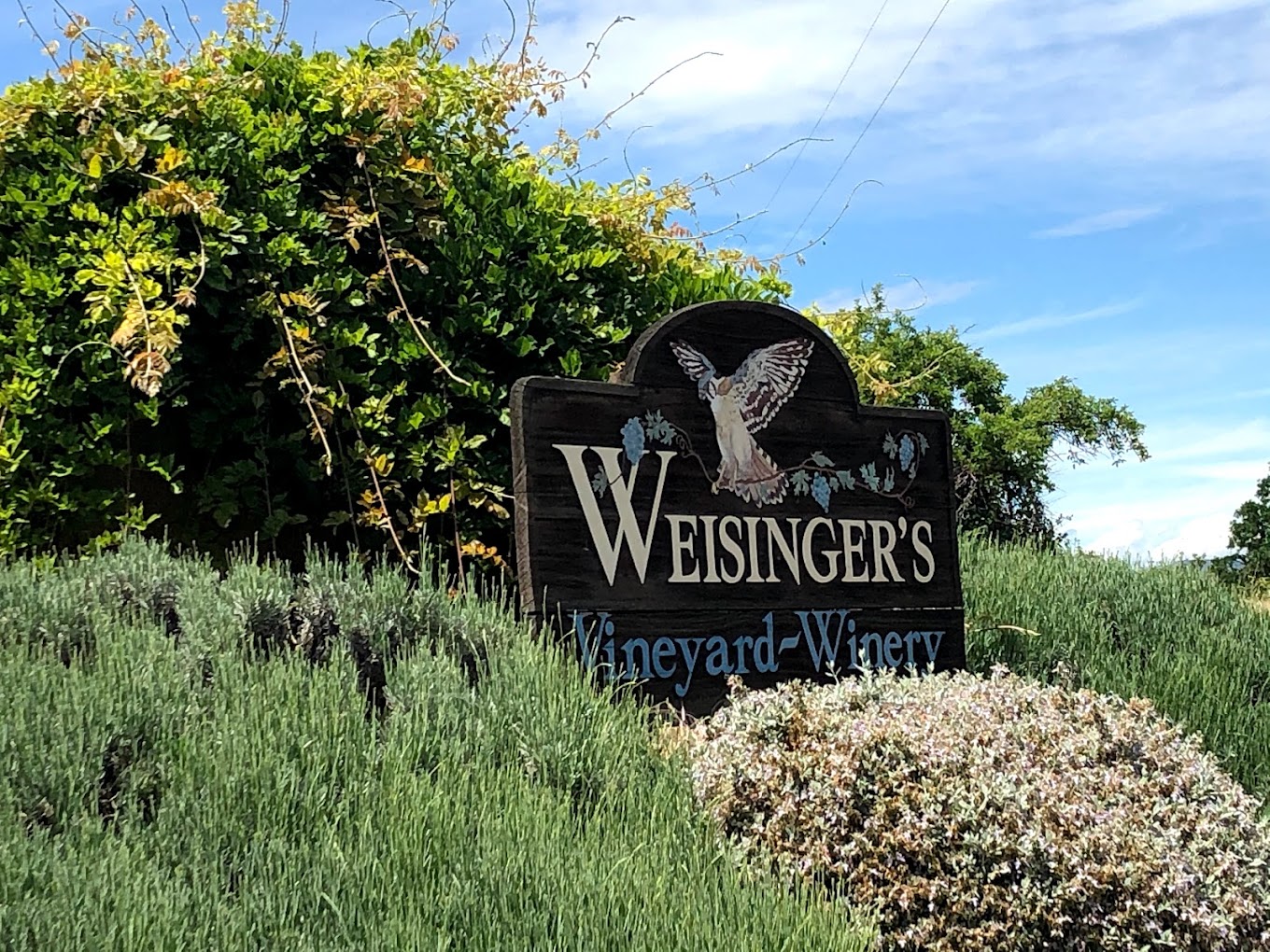
The Weisinger Family, on the eastern edge in Ashland is said to specialize in Tempranillo along with, Rhone and Bordeaux varietals.. Quite diverse for a 3,000 case annual output.
Acreage planted to Tempranillo has steadily increased in Southern Oregon over the last decade. Located just outside of Ashland, Weisinger was founded in 1988, making it one of the oldest in Southern Oregon. After assuming the winemaker’s role, Eric Weisinger began grafting over the original Gewurztraminer vines to Tempranillo. Adjacent to the winery, the Tempranillo occupies a steep, high elevation (2235 feet) northeast facing site. The Weisinger Family, on the eastern edge in Ashland is said to specialize in Tempranillo, Pinot Noir, Rhone and Bordeaux varietals, as well as proprietary blends. Quite diverse for a 3,000 case annual output.
My first experience with Weisinger was with the wines from 2018. 2018 was an ideal long, slow growing season with the Tempranillo picked in the first week of October. After being cold soaked and fermented for 20 days by native yeasts, the wine was barrel aged for 17 months in 30% new American oak. It offers lovely bright cherry fruit with hints of black tea and spice in a solid, medium weight package. The black cherry and spice theme continues in the deep flavors with subtle oak toast and firm, integrated tannins coming into play. Beautifully structured and focused throughout, it should drink well over the next 5-7 years. Not surprisingly, Weisinger’s Tempranillos have won many awards. I’ve scored them 93 and 94 in two recent vintages.
Weisinger Family Winery Roussanne, Fortmiller Vineyard, Rogue Valley, Oregon, 2019
Normally part of a Rhone blend, Roussanne as a stand alone varietal is one that seems to challenge winemakers. After experimenting earlier with Roussanne, in 2018 Weisinger resumed its efforts after discovering the north-facing Fortmiller Vineyard in 2018. In 2019, Weisinger harvested the Roussanne at a low 22.4 Brix to preserve acidity and after whole cluster pressing the winery barrel fermented the wine using native and commercial yeasts. The lees were stirred throughout the long fermentation. The result is a wine that showcases floral and lemony aromas, and the flavors are bright with citrus and honeysuckle notes. The leesy texture adds complexity and length to this delicate, lively and pretty wine.
Belle Fiore is the closest thing to a Napa-ish winery with its rather elaborate tasting room and chateau-like facility. It has a busy restaurant and is even a mini art gallery. But it is also serious about its wines made from its 31 acre estate vineyard surrounding the winery. The roster consists of the usual varieties such as Merlot and Syrah but then you get to the “others,” especially the Italians. Here you’ll find a Montepulciano (my fav), a Barbera, Teroldego, Fiano, and a rare Caprettone grape. These are all possible because the owners have identified what they call “16 micro-blocks” based upon soil types and elevation. Owner Edward Kerwin is a clinical research scientist and his wife Karen has an M.A in genetic counseling. Together they launched Belle Fiore in 2007.
Long Walk Vineyard: A Dream Retreat from Silicon Valley
Located in the hills above Ashland, Long Walk is a newly developed vineyard and historic 35 acre orchard owned by Kathy and Tom O’Leary, Silicon Valley techies. After a prolonged search, they settled on this cool, south facing site to pursue their dream to make Rhone inspired wines. The 11-acre vineyard is planted primarily to Rhone varieties. But they also like Zinfandel so there’s a smattering of Zin. “Field Notes” is their version of a GSM Rhone blend. Made from 40% Grenache, 30% Mourvedre, 10% Syrah and a splash of Carignane, it is medium dark in color and unfolds quickly in the glass. The nose starts out with pretty plum fruit along with a hint of leather and game but the bright black fruit character prevails. The flavors add some herbs and cherry and are presented in a round body with gentle, dusty tannins poking through. Pleasantly subtle and charming overall, it is one to enjoy over the next several years. Kudos for the light touch.
With Rose wines being so trendy and Roses now being made from just about every red grape available, it was an eye opener to encounter Long Walk’s rose from a red grape that’s ideal for a Rose: Cinsault. Popular in Southern France, Cinsault is light in color and low in tannin and remains the backbone for many Provence Roses. From vines planted in 2002, this winery’s Rose is an attractive pink-copper color and offers an aromatic mix of just picked strawberries, rose petals and summer flowers. Medium bodied and vibrant, it is balanced and has just enough acidity to bring it to a delicate finish.
As for the Long Walk Zinfandel, it too is impressive.
This new family run winery is based in the small town of Talent, near Medford. The label is a replica used by the family when the land was a pear orchard. Winemaker Matt Newbry and his wife Janéa, attribute the Inspiration Behind Talent Cellars to the very soil their family has been farming In Talent, Oregon since the 1920’s.
Sourced from two nearby vineyards, the 2017 Nuf Said is a blend of 75% Cabernet Sauvignon with 13% Petit Verdot and 12% Grenache. It was aged 22 months in French and American oak (50% new). It is medium bodied and vibrant with bright berry fruit and graphite and cedar in the aroma, yet it sweeps across the palate with juicy, ripe fruit and a hint of vanilla from the oak. Beautifully balanced, it finishes with light, ultra smooth tannins. Production was 250 cases.
garagistewine.com is the most peculiar online retailer I follow. One reason is that its founder Jon Rimmerman who has been offering wines for over 20 years often presents his daily offers late at night. He is based in Washington State which may explain some things.
He sometimes seems a bit chatty and becomes so excited and enthusiastic that he might belabor a point about a particular wine or region.
He is also insistent about when he will ship your wines and specifies the required temperature and humidity for proper shipping.
But these minor quirks are greatly offset by the pluses.
He seeks out wines that are organic, biodynamic and farmed sustainably
He favors small artisan producers and family owned wineries
He obtains many wines direct so truly cuts out the middleman
He doesn’t use inflated scores from Somms
His wines are attractively priced
And he is unpredictable, sometimes offering olive oil, nutella, or food items. All high quality.
I enjoy reading his detailed notes because he truly knows his stuff. His background insights about vintages and regions are extremely useful. He is particularly on top of the vintage variations in France’s Burgundy and the Rhone.
He provided a detailed report on 2016 and 2017 based on travels and tastings throughout France and it is spot on. His remarks about 2015 and 2016 Bordeaux are the most reliable in the wine trade.
His analysis of 2016 in Burgundy and of the 2017 Northern Rhone are some of the best I’ve read.
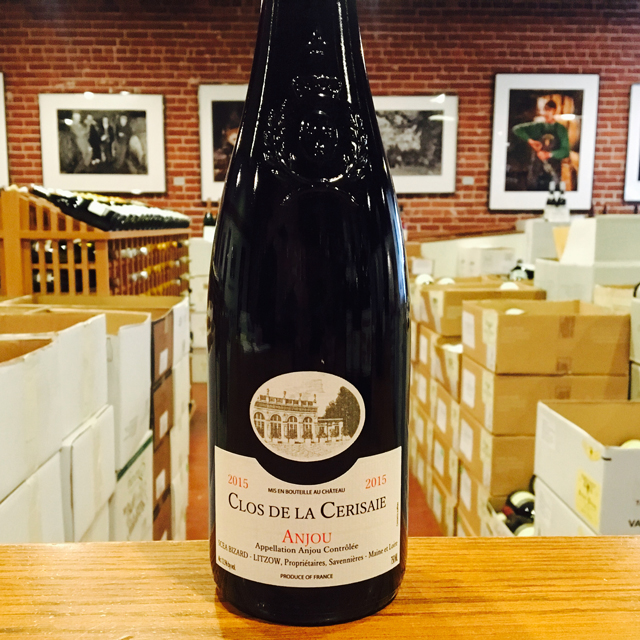
And to this fellow Loire Valley lover, he has the inside track on Loire Valley wines:
“2018 is one of those “pinch me, this can’t possibly be true?” red wine vintages in the Loire. I can’t really compare it to anything else – it has the ripeness of a vintage like 1989 but the freshness of 1996 (another classic year.”
He also looks closely for super wines from Washington, of course but also Oregon. A recent Washington Tempranillo was remarkable.
He often locates super wines under $15 a bottle.
Here are examples of recent offerings:
2018 Bourgueil, Domaine Cotellergie, $16.76
2016 Scott Paul Pinot Noir, Chehelam Mts, $19.71
2014 Rioja Riserva, Burgo Viejo, $13.98
2017 Sancerre, Dezat $19.99
2016 Renvoise “Jasmieres,” dry Loire Valley Chenin Blanc $16.70
He recently offered a lovely Provence Rose for sale at $9.99.
He found “the best Bordeaux you’ve never heard of” from 2011.
He comes across as frank, as in these recent notes:
“This is fastidiously produced Chardonnay without a smidge of pretense but the stuffing and expression to, well, pummel just about any other example from outside the Burgundian reach under $30. In addition, the impact is from fruit, stone and clarity, not from alcohol, wood or from winemaker strategic manipulation/enhancement.”
Or
“If you think “bargain” wine is devoid of potential pleasure or cannot be in the league of top-drawer entrants, guess again. This wine can easily compete with Sauvignon Blanc at 2-3 times the $ and many of its competitors are not as delicious to drink.”
Sometimes to keep prices low, he suggests buying 6 or 12 bottles or more which may seem like hype and hustle, but I think he is sincere and honest in his emphasis on offering value.
A maximum number of bottles a person may purchase is always listed, ranging from 6 to 60.
Pros:
Wildly eclectic selection not found elsewhere.
Excellent prices
Seeks out biodynamic and other green products.
Cons:
Complicated shipping procedures and delivery dates but only to assure wines arrive in fine condition.
 Norm Roby's Unfiltered Guide to Savvy Wine Shopping