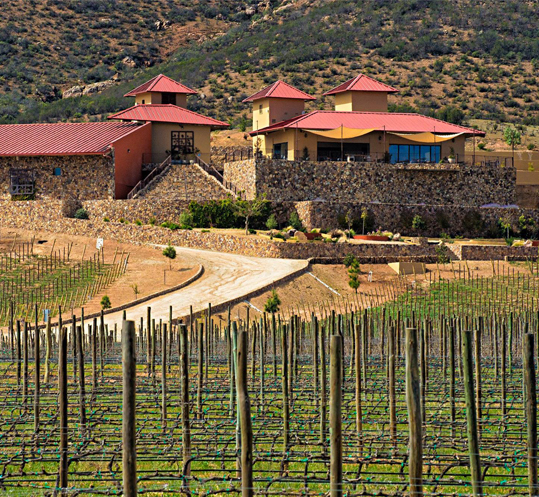
Budget-Friendly Paso Robles Wines Under $25

With the crazy days of holiday shopping hype coming at us from every direction, all the major online wine retailers and wine merchants are also doing their best to get our attention. If there has been a lesson learned over the last two years as wine sales dipped, it is that wine lovers are really no different than other consumers and now realize they need to be extra careful about sticking to a budget. 

 When word got out that the average price of a Napa Valley wine was $108 a bottle, normal people probably explored alternatives. If you count yourself among the budget minded, normal people then let me share my latest wine shopping discovery. Though I’ve been following it for years, Paso Robles has emerged as a leader when it comes to quality for the price.

Paso Robles remains one of the most energized and dynamic wine regions even in these difficult times. At least it is to me. Paso Robles came alive back in 1998 when the Rhone Rangers began holding their annual event there which was followed up in 2010 by the annual Garigists wine festival. Though once just a lonely way station midway between San Francisco and LA, Paso has also come on strong as a tourist destination. And here in 2025 there’s lots of excitement in the hotel and culinary scenes.

 With so many possible story angles staring at me, one that caught my eye during a recent trip to the SoCal Coast was the way so many Paso Robles wines are beginning to dominate wine lists and special deals in wine shops. We’re talking high end restaurants, sommelier-managed wine lists.

Que Pasa Paso?

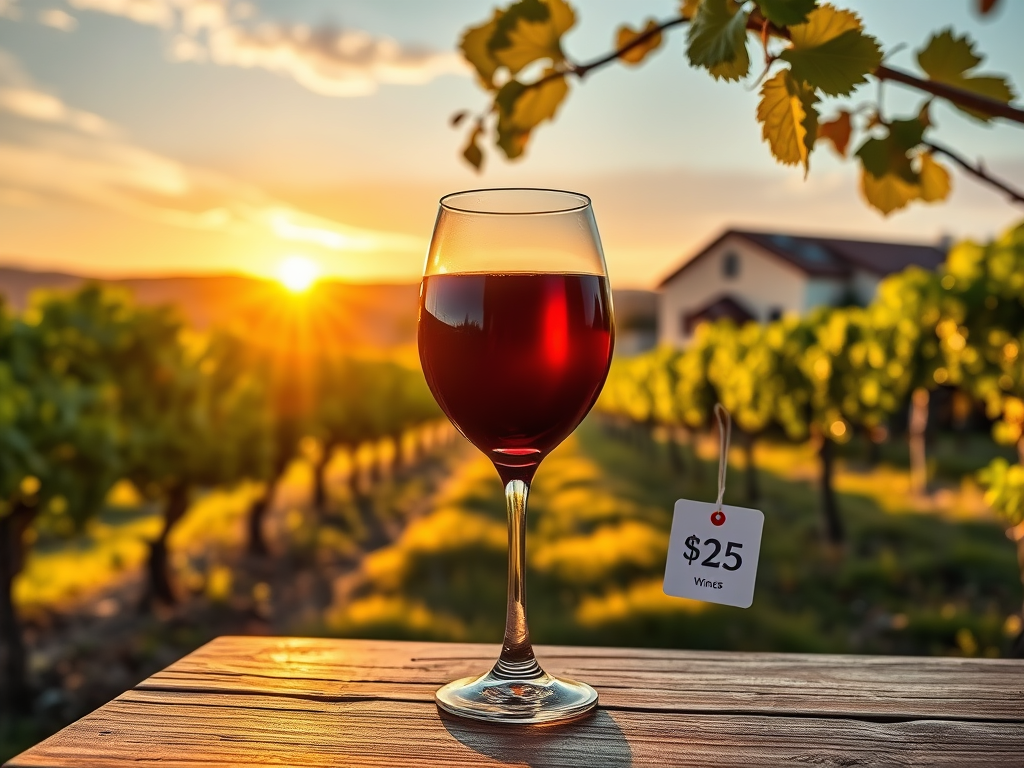
Why? Beyond quality and availability, the one pattern that emerged is that the trend setting wineries in Paso know how to hit today’s magic price point. When looking back over my recent tasting notes, it was amazing to see so many of my Paso favorites selling for around $25 a bottle or less. My gut feeling is that today’s savvy wine shoppers see $25 as the top price that fits their budget. Maybe $29.99 if a wine strikes them as exceptional. 

The Paso Players

The Paso wineries I see as major players in this trend are a mix of well-established names like Ancient Peaks and J. Lohr and newcomers. A few others belong to major marketing companies, and many are your Mom & Pop family folks. Most of the wines are red which is no big surprise. Overall, when you visit the Tin City wineries or many others, the energy level and enthusiasm is reminiscent of Napa before 2000. Paso has become a magnet for creative maverick winemakers and outliers. Just recently Napa’s Tank Garage Winery joined the Paso scene. Check it out and you’ll get my point.

As for wines, Paso was noted early on for Petite Sirah, Zinfandel and the Rhones, and these are all included in the price point $25 club. But Cabernets, Bordeaux blends and other creative blends are well-represented and seem to be replacing Napa wines on many wine lists and also in the minds of many wine lovers.

So now that we’ve plugged in the destination on our map, “let’s go” to the top Paso wines hovering around the  $25 price point. 

First Stop: Petite Sirah and Zinfandel

Peachy Canyon Paso Robles (California) Petite Sirah 2021 $20

Best known for its bold Zinfandels, Peachy Canyon also has a good track record for Petites in a rich but supple style. Deep dark in color, this 2021 offers an aroma of sweet black fruit and fig along with some dried herbs. It turns plush and smooth on the palate driven by a solid core of blackberry flavors and light oak. It finishes long and seamless. With its lovely silky texture and subtle oak notes, it is well-knit and ready to drink now.  90

Brady Vineyards Paso Robles Petite Sirah 2021  $20

 After honing his winemaking skills in Texas, Don Brady went West to work for Robert Hall in Paso Robles. In 2006 he acquired a 24 acre vineyard and began focusing on Paso red wines.

If you like Paso Petite, Brady checks all of the boxes. His 2021 was aged in French oak for 18 months. Dark in color, it has that  intense, ripe blackberry aroma with some black pepper that sets the varietal apart. Full-bodied with concentrated flavors of blackberries, boysenberries and some vanilla bean, it is tight and concentrated on the palate with light tannin and oak.  More powerful than nuanced, but fairly well-mannered, it could benefit from a little cellaring to soften. But with decanting, it would serve you well as a complement to most smoked meats and, to me, especially with osso buco. Also, a good value. 90

The Big, Red Monster Lot #2 Paso Robles, Zinfandel $20

Yes, here’s a Paso red wine that boasts about being big. Now owned by War Room Cellars based in San Luis Obispo, this brand began in 2005 as a partnership between winemakers Bob Pepi (formerly of Robert Pepi winery) and Jeff Booth (formerly of Conn Creek). The brand was relaunched in 2019 and aimed at a market that loves big and powerful wines. Promoted as a “savage beast,” this Lot #2 is Zinfandel blended with Petite Sirah and Tannat. After an extended maceration “for bigger extraction,” it was aged in French and American oak, 20% new. While definitely big, ripe and juicy, it offers an attractive aroma of blackberry and pepper with some spiciness. On the palate it is round but ultra soft and has enough fruitiness to keep the tannin and alcohol at bay. 91

Next, let’s move on to Syrah

McPrice Myers Central Coast (California) Right Hand Man Syrah 2023 $ 20

Headquartered in Paso Robles, this winery enjoyed a cult-like following for its red wines. They usually are given unusual names like “High on the Hog” and “Right Hand Man.”  Blending Central Coast fruit, winemaker Mac Myers crafts this well-rendered Syrah that offers depth and approachability at a very attractive price.  Aged 10 months in neutral oak, it has a lovely aroma of ripe plum with secondary fragrances of pepper, spice and leather. Nothing overdone or funky here, this Syrah is rich and smooth on the palate delivering savory flavors of fresh berries, plums and spice. The tannins are soft and add roundness to the texture. Syrah lovers should keep a bottle of this “Right Hand Man” close at hand. Wine lovers should check out this winery. 92

Ancient Peaks Winery Paso Robles, Santa Margarita Ranch Renegade 2020 $26

With its “Renegade” blend, Ancient Peaks has been successful in working with Paso Syrah to come up with an attractive drink now red.  I like the way it tones down the gamey, meaty side of Syrah but still emphasizes its fruit. In 2020 the final blend was 67% Syrah, 27% Petit Verdot and 5% Malbec.  The individual components are cold soaked and after fermentation they are aged for 20 months in French and American oak, 20% new.  Dark in color, the wine shows a pleasing mix of Syrah’s dark fruit along with subtle fresh berries. It continues with this combination and adds some coffee and oak toast and spice in the flavors. Nicely structured with modest tannins, it finishes with simple fruit and good length. Excellent all-purpose red. 90

Turning to The Main Event: Cabernets

 Daou Vineyards Cabernet Sauvignon Paso Robles 2021 $25

This dark, ripe and juicy Cabernet is made for those who like it plump and chunky. The aroma of dark, ripe fruit with hints of anise and dried herbs sets you up for a big, rich mouthfilling wine with light toasty oak and tannins providing structure. With some airing the flavors open to reveal nuances of black tea and berry fruit before the youthful tannins are picked up to carry this to its rugged, sturdy finish.This full-bodied Cab is a blend of 83% Cabernet with 9% Petite Verdot and a splash of Merlot and it was aged for 10 months in 50% new French oak. It is a lot of wine for the money. 91

Groundwork Wine Co. Paso Robles (California) Cabernet Sauvignon, 2023 $23

Groundwork Wine is a new line of wines from Curt Schalchin of Sans Liege which is noted for its high-end Rhone blends. With Groundwork, he focuses on good value varietal wines from Paso Robles and this 2023 Cabernet confirms that Paso Robles is the real deal for great value Cabs. This 2023 is made from three vineyards within Paso, and the wine, blended with 12% Petit Verdot, was aged in neutral oak for 18 months. Bottled unfined and unfiltered, it delivers plenty of ripe black fruit with hints of black pepper and bay leaf. With light tannin, it is firmly structured and has an aftertaste of black cherry and spice. Enjoy now through 2028.  92

The Fableist Wine Co. Paso Robles (Central Coast) “373” Cabernet Sauvignon 2022 $25

Andrew Jones, winemaker for Field Recordings and Curt Schalchlin, owner of Sans Liege combine their talents for the Fableist collection of wines. The names are based on Aesop’s Fables, and apparently, judging from the label, fable #373 is about ants and bugs. Or whatever! Moving on to the wine, in the 2022 vintage the fruit was picked earlier than usual due to the heat wave. Fermented in tanks and aged in American oak barrels, 10% new, the final blend was 85% Cabernet filled out by Merlot, Malbec, Petit Verdot and Petite Sirah. Once poured, this wine shows fresh blackberry and currant aromas and flavors with youthful tannin poking through. With aeration, it slowly opens and adds a little spice and cedar to accompany the  juicy dark fruits. Needs time to settle down and should be decanted.  A good value for a Paso Cab. 90

Maddalena Paso Robles Estate Reserve Cabernet Sauvignon  2021 $24.

Part of the Riboli family’s expanding portfolio, Maddalena offers white wines from Monterey and reds from the estate vineyards in Paso Robles. Blended with 5% Petit Verdot and 5% Cabernet Franc, this Cabernet was partially aged (45%) in small oak. It is all about ultra ripe black fruit such as black cherry and plum in aroma and flavor. Medium full bodied, it comes across as plush on the palate with plenty of tannin and oak spice. It finishes on a slight tannic note.

Overall this is an attractive fruit-forward Cabernet for current drinking.  89

Paso D’Oro Wines Paso Robles Cabernet Sauvignon 2023 $23

Paso D’Oro is a relatively new brand created by the Terlato family which owns prime properties like Chimney Rock, Rutherford Hill, Sanford among others. This 2023 was sourced from 4 AVAs within Paso, and the wine was aged in neutral oak and blended with 24% Petite Sirah. Deep and dark in the glass,  it opens quickly with attractive black fruit with accents of clove and spice. Quite full bodied with rich flavors supported by velvety tannins. Smooth finish. With loads of terrific ripe fruit, pleasing texture, and some complexity, this is a great choice for current enjoyment.  91

Tooth & Nail Wine Co. Paso Robles, Cabernet Sauvignon 2020 $26

This is an old review, but it is from the winery that ignited my interest in Paso Cabernets.This vintage was presented in a unique bottle that requires a detailed background explanation and an APP to download.  But the wine inside is first-rate and a wonderful example of Paso Cabernet. Saying it “reinvented the wine label,” the winery created an augmented reality label that with the app will sing to you. Literally sing, honest. From its deep purple color to its rich, ripe aromatics, this wine sings on its own. Initial aromas of chocolate and spice give way to ripe blackberry and oak spice. It is big-bodied with a smooth unctuous texture. The flavors remain focused on ripe black fruit with dusty oak tannin in the background. The finish is long with good acidity keeping it balanced throughout. The current vintage is 2022 and sells for $28. 

Quest Austin Hope Winemaker, Paso Robles Cabernet Franc 2023 $23

The “Quest”  label is the Hope family’s long-term  commitment to Paso Cabernet Franc, and prior vintages contained some % of Cab Sauvignon. This is the first vintage made entirely from Cab Franc. The majority of the fruit sourced for the 2023 Quest Cabernet Franc was from the Creston District, Future vintages will also incorporate fruit from the Highlands District and Adelaida District.  You don’t need a SOMM course to recognize this is Cab Franc. The aroma is a textbook combination of plums, dried herbs and tobacco leaf. Medium bodied and solid, it is lively with plum and licorice flavors. Some briary tannins give a little push to the finish. Sort of like a footballer’s “tush push.”  A red to enjoy with grilled meats and rich pastas. 90

J Lohr Wines Paso Robles Los Osos Merlot 2022  $15

This Merlot is hard to beat at this price. J.Lohr’s Merlot is planted in the relatively cool El Pomar District. Blended with a big splash of Malbec (10%) and a dash of Cabernet Franc (5%), this 2022 was aged for 12 months in American oak. In an approachable and lively style, it opens with an aroma of fresh plums and light spice. Medium bodied and balanced, it offers plum and cherry flavors in a smooth package. Not flashy, just easy to enjoy.

WHITES

Sans Liege Wines Central Coast Cotes du Coast 2023 $20

Based in Paso Robles, winemaker Curt Schalchlin is a noted Rhone wine specialist. But as evidenced by his artsy labels and unconventional wine descriptions, he does things differently. Sourcing from some of the best known vineyards in Santa Barbara and elsewhere, he assembled this blend of 36% Viognier, 32% Marsanne, 17% Clairette, 11% Roussanne, and 4% Grenache Blanc. All but the Grenache are barrel fermented by native yeasts and lees aged in French oak. But the wine is, surprisingly given its composition, a smooth, subtle and lively ready to drink white. It immediately gets your attention with fresh peach, lemon and honeysuckle aromas. Medium bodied, nicely textured and vibrant, it offers stone fruit flavors and has a long finish that is neither bitter nor acidic. Charming and fun to drink and nicely priced to boot.

92

Ancient Peaks Winery Paso Robles Santa Margarita Ranch Sauvignon Blanc 2023 $18 

Made from the coolest blocks within the family’s estate vineyard, this 2023 also benefited from the relatively cool growing season. It is pale straw in color and shows plenty of vibrant fruit such as melon and pear along with light ginger and flintiness. Medium bodied, it continues with flavors of melon and lemongrass. In the crisp but lengthy finish, I pick up subtle hints of ginger and  apple. Aged for 6 months in stainless, it makes a good case for unoaked Sauvignon Blanc and pairs well with a wide range of entrees. 91

One Stone Cellars Central Coast Rose of Pinot Noir 2024 $18

One Stone is a brand created by Ancient Peaks Winery in Paso to support mentoring programs for women venturing into the wine business. The label’s image projects moving mountains one stone at a time. From the estate vineyard in Paso and others in the Central Coast, this Rose is made 100% from Pinot Noir that was grown and harvested solely for Rose production. Aged 4 months in stainless steel, it is a big friendly wine that is all about fresh strawberry and juicy watermelon aromas and flavors. Smooth and round on the palate, it finishes with a touch of acidity to sustain its lively personality. 90

Wait, There’s More

The wines mentioned so far are good examples of the great deals from Paso Robles, but they are just a solid beginning. 

The Harvey & Harriet label, associated with Booker Vineyards, offers an attractive Red Blend from Paso and a White Blend from San Luis Obispo. Both are priced below $25.

Another wine to check out is named Big, Bold Red. It is a blend of 50% Merlot, 30% Cabernet Sauvignon, 20% Syrah. 

Highlands 41 is a new brand from the Riboli Family. Among the first to hit the market is its 2017 “Darkness,” Estate Reserve selling for $15.00  

So, that’s for now. Many of the reviews you see here are available at www.winereviewonline.com 

Go to the sight, and specify Paso Robles to see a lot more reviews of good value wines.
A Unique Take on A Wine Club

Excellent wines, low prices, no-nonsense

Looking for “A wine club with “NO commitments, NO fees, NO cards on file, NO limited selections!”? Or how about a winery dedicated to offering you the “Best bang for your buck”? Well, I happened upon a winery that meets both of these requirements. My introduction to the winery was through its press release challenging other wineries to match its record of having every wine produced rated 90 points or higher.

Challenging other wineries was a clever and unprecedented way to get attention, and it obviously worked for me. But the emphasis on a wine club open to anyone and wines pitched for value was also attention-getting. Here was one winery flying way under the radar, my kind of winery. 

But a wine club anyone can join is really not a club, is it?  Could this be some kind of come on trying to unload mediocre wine, or the real deal?

Peirano Estate Vineyards is the winery and, as I learned through conversations and tastings, is the real deal. It also does things differently, goes against the grain and does so without swagger. Better yet, it  tries to make the wine experience uncomplicated yet fun. A small  winery with no hype about icons, no rockstar winemakers, no strict allocations and waiting lists, and no luxury priced wines?

Located in Lodi, Peirano Estate is family owned and it may be one of the oldest with vineyards established in 1885. The family’s history takes you through the ups and downs of farmers before, during and after Prohibition. Check it out at: www.peirano.com

The family farm now covers 300 acres and is in the hands of the fourth generation, Lance Randolph.  He’s the guy behind the tractor, behind the wines and behind this novel wine club.

A Vineyard Guy

Lance Randolph is said to have been driving tractors up and down the vineyard at the age of six. In 1992, he ventured into winemaking, a transition made easy by being very familiar with the family vineyards. Today the Peirano vineyards are planted to Cabernet Sauvignon, Merlot, Chardonnay, Sauvignon Blanc, Syrah, Viognier, and Petite Sirah. It also “has perhaps the largest single block of old, head-trained, natural rooted Zinfandel left in the state of California.”  Lance adds, “Rather than destroy these beautiful old Lodi Zinfandel vines to make way for larger yielding, more economically advantageous vines, we have decided to harvest the meager 2 tons per acre production.”

With his viticultural background, that was not an impulsive decision. Lance has explored various training and harvesting methods and the winery’s website explains his vineyard management trials and applications in great detail.  For example: “In the 1990s, Lance was one of the first to implement the Geneva Double Curtain system. This system, rather than using one cordon wire connecting the vines through the center, as done with the bilateral cordon system of the 1960s, splits the vine into two and uses two cordon wires spaced three feet apart. This method is highly advantageous for the estate Cabernet Sauvignon and Merlot grapes.”  Some of the Cabernet Sauvignon is 50 years old, but the Merlot acreage is newer, planted to six clones.

Anyway, after reading the very detailed background, the one point that sticks out to me is that having gone through numerous possibilities of vineyard management, he now prefers to hand harvest all varieties. That is unusual in Lodi or anywhere today.

An Uncomplicated Business Plan

To continue the theme of going against the grain or the norm, when it comes to selling Peirano wines, the winery favors one price fits all. Whether they be white or red, varietals or blends, barrel aged or not, all 15 wines are priced at $16 a bottle. Not only is that unusual, but the winery offers a mix and match case deal  at 50% off, or $8 bucks a bottle. Shipping is a flat rate of $48. So add $4 and the bottle price is still a reasonable $12.

Why $16?

“We chose $16 per bottle because it reflects our goal of offering exceptional quality at an accessible price. Every bottle of our wine comes from estate-grown fruit—grapes we’ve farmed on our family’s Lodi vineyards for generations. The $16 price point allows us to maintain our hands-on approach in the vineyard and winery, using traditional techniques and sustainable practices, while still keeping our wines affordable enough for everyday enjoyment. It’s a balance between honoring the craftsmanship and heritage behind each bottle and ensuring our wines remain approachable to a wide range of wine lovers.”

So no surprise, the wine club is open to anyone, but how did this come about?  Lance explains:

“I started the mix & match case offer over a decade ago when I realized that all tasting rooms were using a subscription model/wine club scenario. Call me old fashioned but I hate being forced to leave my credit card on file and be told what wine I had to try because the winery was trying to “unload” it on me! So I struggled for a long time to find a unique solution that eliminates all the wine club demands. It all came to our customer needs – they want to pick and choose what they want and get those “great” wine club discounts without all of the wine club requirements. Thus – our “family plan” was born and we actively say ‘ditch the wine club experience and try our novel approach to experiencing wine!’

Welcome to the “No Wine Club Zone”  

Many people enter the”Zone” through the tasting room in Lodi. Visitors can select wines from all 15 or 16 wines available at the time. To sample five, the fee is…$10. 

Most Peirano wines offered today are reds, either blends or varietals. Among the whites, the blended “Sea Enchantress” reviewed earlier is my favorite. The Chardonnay will appeal to those preferring the ripe apple and  buttery style a la Rombauer. 

The red wines range in style from simple and approachable to big, bold and cellar-worthy. The Six Clone Merlot stood out as the best red for everyday enjoyment, and the Malbec is also noteworthy in a drink-now style. With the currently available blends, you sense that the winemaker is using a splash of old vine Zin or old vine Cabernet as his not too secret sauces. 

The first wine I tasted that contained some old vine Zin was the Red “Sea Enchantress.” Here’s my note:

Peirano Estate Vineyards, “The Sea Enchantress” Red Lodi (California) The Artist Series 2020 $16

 So in this wine they combine Petite Sirah, Old Vine Zinfandel, Tempranillo and Syrah. Then it was aged in a combination of French and American oak, 15% new. The result? Well, it is not an in your face, power-packed fruit bomb. Dark in color, it has a beautiful aroma of black olive, licorice, with some blackberry and light oak toast. The ripe flavors offer lots of plum and light cinnamon supported by gentle tannins. Made in a big and approachable style, this is an absolute steal at this price. 92

After that initial encounter,  little encouragement was needed for me to explore more Peirano wines. Of the several red blends reviewed here, the differences between one and another were not dramatic. But they are different, and fun to taste. 

The family apparently has some fun with naming their wines. There’s “Immortal Zin” and “The Other,” along with “Sea Enchantress” and “Illusion,” both labels based on paintings by Alexis Randolph, representing the fifth generation. The 3 components for “The Other”  Red are listed as”This,That, and The Other.”  The back label adds the wine is “Sin-sually delicious.”

 The following notes highlight two of my favs. But for reviews on many others:, go to winereviewonline.com

Peirano Estate Vineyards Lodi (California) Old Vine ”Immortal Zin”  2022 $16

Hand harvested from 120 year old, head prune vines, this is an amazing wine to taste. The deep, dark color and concentrated flavors are expected, but the pleasure here is in the ultra-smooth, velvety texture. Blackberry and strawberry are the central themes, but there’s a floral element that elevates the aroma. Some spice and juicy ripe fruit flavors along with an earthy background continue well into the juicy finish. There’s so much going on you aren’t aware that the wine is 15.5% in alcohol. 93

Peirano Estate Vineyards The Heritage Collection, Lodi (California) Cabernet Sauvignon 2022 $16

From 50 year old vines, this wine was fermented by 3 methods: static, cold soak and rotary fermentation. It was also given extended maceration time and oak aged for one year. It opens gradually to reveal an aroma of ripe plum and graphite along with a slight floral and spice touch. Medium full bodied with concentrated black fruit flavors, it comes across the palate as soft and smooth. With integrated tannins, this is one to enjoy over the next few years.The style is big and juicy with good Cabernet aromatics and flavors presented on a solid framework. 92

Marietta Cellars: Wines for Sharing

If you are shopping for excellent wines at reasonable prices, then forget about those made by celebrities, cult wines, and wines made by 100 point rockstar winemakers. Let them all be legends in their own minds, and seek out wines made by real people.

I recently rediscovered one of my favorite examples of a family owned winery making excellent, affordable wines. Here’s how the winemaker summarizes things:

“It feels right to make the best wine possible and to sell it at a fair price. Our instincts tell us that being honest, being consistent, working hard, and thinking outside the box is more important than anything else in business.” 

The California winery is Marietta Cellars, founded in 1978 by Chris Bilbro and now in the hands of Scot, his winemaker son. While the original winery in Sonoma County was a rented cow barn, they now own 300 acres in Mendocino and Sonoma. And  if you like old vine wines from Syrah and Grenache, well the Bilbros are your kind of people. They have some of the best vineyards farmed organically.

Since Day #1, Marietta Cellars produced affordable wines, starting with blended red wines based on Zinfandel. Their benchmark Old Vine Red was first made in 1982. “Affordable” and “blended” are not exactly popular search tags in today’s wine world. Then add that the production is not tiny and the wines are not allocated to a select few, and voila?  Marietta wines are available direct from the winery, online, and yes, even in wine shops.

Go to www. mariettacellars.com  You can also find 8 Marietta Cellars’ wines today at www.wine.com 

Here are my recent reviews on two of those wines:

Marietta Cellars California OVR Old Vine Rose 2023 $19

Here’s an absolutely lovely Rose to enjoy year round. The Bilbro family has long specialized in old vine wine, and Scot Bilbro has been the winemaker since 2012. Chris Bilbro, his dad, founded Marietta back in 1978. This 2023 Rose is made from 50% Syrah, 25% Grenache, and 25% Grenache Gris, with all of the fruit from the estate’s organically grown McDowell Valley vineyards established well over 100 years ago.  With its inviting coral-pink color and its lively peach and melon aroma, the wine charms you and seals the deal with its juicy peach and pomegranate flavors which come with  a hint of spice. Nicely textured, it remains lively on the palate and finishes on a crisp note. 93 points 

2021 Marietta Cellars “Christo,”  Estate Grown, North Coast  $20.00

“Christo” refers to the family nickname for Chris Bilbro, veteran Sonoma winemaker. A Rhone blend (68% Syrah, 20% Grenache, 18% Petite Sirah, & 4% Viognier), this is a powerful, full bodied red. Aged for 18 months in neutral oak, this blend offers a solid core of ripe fruit and is built on a solid foundation. The aroma is fantastic. It opens to reveal background notes of spice, ripe plums and earthy, forest floor. Some subtle floral hints of violets and lavender emerge with aeration. On the palate, black pepper pokes through in the intense, rich berry flavors. The lengthy finish has a pleasant touch of juicy blackberry fruit and light tannin.  Taken altogether, this wine has it all. It is a whole lot of wine for the money and should age well. 94 points

So why isn’t Marietta Cellars better known?

Well, I’ll let the Bilbros offer a reason: “We are hands-on and busy year-round.”

Sauvignon Blanc: Exploring Oregon’s New & Distinct Style

As a longtime Sauvignon Blanc lover, I was amazed to find that some of the most exciting versions are now coming from Oregon. Yes, Oregon is a key player in the surge of Sauvignon Blanc. It may take a minute to let that sink in since Oregon is automatically associated with Pinot Noir, Pinot Gris and in some minds, Chardonnay. This is not totally unprecedented because back in 1961 when Richard Sommer launched Oregon’s post-Prohibition era of winegrowing he planted Sauvignon Blanc — among other varieties at his Hillcrest Vineyard in the Umpqua Valley. But that was back then. 

Patricia Green, one of the most respected winemakers, was the first in the modern era to advocate for Oregon Sauvignon Blanc. In 2000, she and her partner Jim Andersen purchased vineyards in the Willamette Valley and earned high marks for Pinot Noir. For white wines, Patricia Green believed that the climate and terroir of Oregon is well-suited. On several occasions she went on record as preferring to work with Sauvignon Blanc over Pinot Gris.  Patricia, who passed away in 2017, would be happy to know that here in 2024 other multi-talented winemakers and proven wineries are out to prove her right.

 King Estate’s CEO Ed King, Jr.  thinks the world is ready for an Oregon-style Sauvignon Blanc. You heard that; the major producer of Pinot Gris is backing Sauvignon Blanc and now producing over 5,000 cases a year. King Estate’s Viticultural Director Ray Nuclo explains it this way:

“We see a lot of promise with this varietal due to the cooler climate in Oregon producing a unique expression of Sauvignon Blanc. It’s more akin to cool climate areas like the Loire Valley in France and parts of New Zealand, than, say, California and Burgundy.” 

Then Joe Dobbs, the veteran winemaker behind Wines by Joe, Dobbes Family and now Iterum Wines does not hold back in his enthusiasm. He recently said,  “I believe that Sauvignon Blanc from the Willamette Valley has the potential to be considered world class and I predict that it will eventually surpass Pinot Gris plantings.”  Brent Stone, King Estate’s winemaker sums things for the Willamette Valley this way:  “We know the variety can do well here and think it can be one of the next great wines that Oregon is known for.”

Not to be outdone, winemakers in the Rogue Valley are also devoting a lot of attention to their version of Sauvignon Blanc. Eric Weisinger, who made wines in New Zealand for several years, is busy exploring special sites. In 2023 he made a Sauvignon Blanc from The Cole Family Vineyard, a high-elevation, cool site, in the Applegate Valley sub AVA.  Eric barrel fermented the wine in neutral oak and then aged it on the lees. With its bright fruit and lime aroma, it offers a rich smooth texture, great length but retains vibrancy.

Similarly, Kiley Evans of Padigan Wines barrel fermented their 2024 in neutral oak and then extended the lees contact for 6 months. And voila! It is loaded with vibrant fruit aromas and has a rich, smooth texture, bright minerality in its flavors and a crisp finish.

Not to be overlooked, the 2024 Sauvignon Blanc from Peter William Vineyard is a stunner. It offers an attractive Sancerre-like aroma, but has loads of flavors and a lengthy finish.

While there’s plenty of excitement in Southern Oregon to match that of the Willamette Valley, the northerly AVA of the Columbia Gorge AVA has its formidable advocates. Anna Matzinger, now also a busy consultant, served as winemaker and general manager for Archery Summit for 14 vintages before joining forces with Michael Davies who made wines for Rex Hill and A to Z wineries.  For their own label, they make Pinot Noir and Chardonnay from the Willamette Valley, and Grenache and Sauvignon Blanc from the cool, windy Columbia Gorge. Their 2021 “Gorgeous Savvy” Sauvignon stands out from the crowd. My note ends with this: “Light in color, the nose of this wine is seriously flinty, chalky with lime and lemon zest.  Medium bodied, it offers flavors of vibrant fruit with a leesy texture.  Brisk in the finish with hints of flint and minerality.”

Matzinger-Davies’ other Sauvignon Blanc, subtitled “Unabridged” goes way off the chart. Cold fermented with whole clusters for 8 weeks, it was aged on the light lees for 14 months. So much is going on that it’s best to let the winemaker describe this amazing wine: “I love the expression of greenness here fresh and newly risen like fiddleheads, pea shoots, spruce tips and nettle. There is lime zest and ginger, bay leaf and sea greens, angelica, bee balm, cardamom and salt. This wine is expansive, mouthwatering and wide with a texture and acidity almost crystalline.”

Coming from diverse viticultural sub-regions, we can naturally ponder whether there is a distinct Oregon style of Sauvignon Blanc. Surprisingly at this early stage, there seems to be one emerging that aims toward Sauvignon Blanc that lean toward the Loire Valley in aroma and texture but also retain some of the zippy, bright style that is New Zealand’s distinctive component. 

Brent Stone of King Estate describes it this way: “The Sauvignon Blanc wine style in Oregon can be really nice. You still get some of those traditional tropical and stone fruit notes but also subtle minerality and crisp acidity that can add balance and often make the wines very food-friendly at the same time.”

 To Joe Dobbes, the stylistic goal is this: “What world class Sauvignon Blanc should look like [for me] is true varietal character showcasing primarily copious amounts of fruit and not herbs and vegetables; crisp, forward acidity and freshness in the palate; and attention to combining all the above with palate weight, which makes the wine more interesting.” He adds, “I love the character and the richness of Sancerre and also appreciate the fresh zestiness of New Zealand.”

As this story continues to unfold over the next few vintages, it is clear that Oregon Sauvignon Blanc is no Chardonnay wannabe, nor a simple quaffing Pinot Gris. One unifying theme is that whether from the northern boundary of the Columbia Gorge or the Southern end of the Rogue Valley, the new Sauvignons are food-friendly, showing their best features as a complement to food. They are because the acidity brings vibrancy but the savory texture or palate weight enables them to stand up to a range of main courses.

The timing is great since so many of the California pioneers of Sauvignon Blanc/Fume Blanc have been acquired by corporations which over time have diluted the wine. Gone are the days when you could savor the excellent versions from Matanzas Creek, Murphy-Goode, Ferrari-Carano, Folie A Deux, Geyser Peak, Kunde Girard and so on. 

One major exception: Dry Creek Vineyards.

For readers who want to catch the wave, you should know Oregon’s trend setters are generally small family owned wineries making relatively small batches. So going direct to the winery to buy or to learn where their Sauvignons are available, here are my top ten:

Iterum Wines  ‘Old Friend’ Oak Grove Vineyard, Willamette Valley Sauvignon Blanc 2023

Andrew Rich Vintner Croft Vineyard, Willamette Valley Sauvignon Blanc 2022  

Patricia Green Cellars, Willamette Valley  Sauvignon Blanc 2022 

Padigan Wines, Rogue Valley Sauvignon Blanc 2023 

Matzinger Davies Winery, Columbia Gorge (Oregon) Sauvignon Blanc “Gorgeous-Savvy” 2021 

Weisinger Family Vineyard Cole Family Vineyard, Sauvignon Blanc 2023  

Peter William Vineyard Rogue Valley Sauvignon 2023 

King Estate Oregon Sauvignon Blanc 2022 

Kriselle Cellars Rogue Valley Sauvignon Blanc 2022

Quady North 4 Diamonds Vineyard Sauvignon Blanc , Southern Oregon 

New Faces and Places: Sauvignon Blanc Rises Again

Sauvignon Blanc has been increasing in popularity and some experts are calling it the next hot wine. While I do believe Sauvignon Blanc deserves to become better known, what fascinates me is the way many of today’s most talented and daring winemakers are working toward a new interpretation. In this new style, it is sort of a marriage between the best of New Zealand Sauvignon and the best features of Lore Valley’s versions such as Sancerre and Pouilly–Fume.

But first, thanks to the boatloads of Sauvignon Blanc coming our way from New Zealand, Sauvignon Blanc is now familiar to most wine drinkers. Some may not like the assertive style of New Zealand with its sharp green, herbal aroma and piercing acidity. But led by the ubiquitous Kim Crawford, Sauvignon Blanc is at least back in the game. So it is not surprising to see more and more Sauvignon Blancs from Chile joined by a few from Argentina, Australia and South Africa being positioned as less expensive and more appealing than under $20 Chardonnays and more flavorful than most supermarket Pinot Grigio.

While I do prefer widely available Sauvignon Blancs over the mass produced Chardonnays and sweet tinged supermarket Pinot Grigios, the most exciting trend is based upon a new style that emphasizes cool climate, site specific Sauvignon Blanc with some degree of what’s called “minerality.”

“Minerality”  is now widely used and  of course overdone, but it is definitely behind the new style of Sauvignon Blanc. Maybe it is just a cool word to use instead of smokey and flinty. That reminds me that Sauvignon Blanc was revived in California decades ago by going with the alternate name of Fume Blanc. But whatever is behind it, this new move toward a distinctive style, neither Kiwi nor Sancerre, is exciting. And the winemakers involved here on the West Coast are creative, risk takers willing to explore. 

The following reviews which have been posted at winereviewonline.com  best convey what I see as happening:

Cadre Wines Edna Valley, San Luis Obispo, “Stone Blossom” Sauvignon Blanc 2021 $22

With most of the fruit harvested from a Paragon Vineyard block planted in 1973, the wine was stainless fermented and aged on the lees. Once poured, this wine changes dramatically in the glass. It changes from flinty and green pea aroma and opens us to reveal secondary aromas of melon and white peach along with a wet stone kind of minerality. It offers plenty of vibrant flavors with mouth-coating texture, and it picks up lovely herbal and chalky nuances before finishing on a long, long crisp aftertaste.

Iterum Wines  ‘Old Friend’ Oak Grove Vineyard, Willamette Valley Sauvignon Blanc 2021 $50

Veteran winemaker Joe Dobbes is focusing on small lot wines from special vineyards under the new Iterum label. This inaugural Sauvignon Blanc is from an old vineyard Dobbes has worked with since 1989. The wine is effusively aromatic and very much in line with top quality Sancerre. It combines chalky, wet stone aromas with lime, grapefruit and fresh cut green apple. But then it performs amazingly on the palate with a rich smooth texture and multi-layered flavors. In the finish it turns on the crisp acidity, lime and lemon peel notes that linger. Beautiful, long aftertaste. Technical details explain it did not undergo M-L, and was fermented 50% in stainless and 50% in Acacia barrels.  It was then aged 7 months before bottling.

Padigan, Rogue Valley (Oregon) Sauvignon Blanc 2023 ($27)

 Sauvignon Blanc from Oregon has been getting lots of media attention recently.  Several wineries in Southern Oregon are key players, including Padigan. This 2023 is its 8th vintage and the 2023 growing season enabled Sauvignon to achieve full ripeness at a relatively low 22.5 brix.  After the wild yeast fermentation, half of the wine was aged “sur lies” for 6 months in neutral oak.  Bright, yellow-green in the glass, the wine quickly showcases lime, melon and flinty aromatics and the flavors add a layer of  juicy ripe mango for added depth. The texture is rich and supple and the finish emphasizes ripe fruit and that flinty nuance.  Probably best to enjoy within the next couple of years.  From the winery estate vineyard.  227 cases produced.   

Matzinger Davies Winery, Columbia Gorge (Oregon) Sauvignon Blanc “Gorgeous-Savvy” 2021 ($25):  Once commonplace, “flinty” is rarely used these days to describe Sauvignon Blanc, but this wine reminded me that flinty can be an accurate descriptor for distinct versions.  This version is made by veteran winemakers who seek out special vineyards.  Anna Matzinger, now a consultant, served as winemaker and general manager for Archery Summit for 14 vintages.  Michael Davies made wines for Rex Hill and A to Z wineries. This Sauvignon is from the Garnier Vineyard on the southern bank of the Columbia River.  Winemaking notes include fermenting and aging in a combination of concrete egg, stainless steel, and cigar-shaped oak barrels.  After primary fermentation, the wine was aged 6 months on light lees.  Light in color, the nose of this wine is seriously flinty and herbaceous.  Medium bodied, it offers flavors of mostly grassy fruit with a leesy texture.  Brisk in the finish with hints of flint and minerality.       

Verdad Wines, Ballard Canyon (Santa Barbara County, California) Sauvignon Blanc Rusack Vineyard 2023 ($35): This is the inaugural Sauvignon Blanc from Louisa Sawyer who sourced the fruit from the Rusack Vineyard which meets her requirements for being certified organic and for an ability to retain good natural acidity.  The Sauvignon vines are also 20 years old.  She fermented the juice entirely in stainless steel to allow the site to shine through.  The aroma is vibrant, with lots of melon fruit along with figs and flinty-chalky hints.  Medium bodied with similar melon flavors, it has a pleasant roundness in the middle palate before the acidity kicks in to bring it to a crisp finish.       
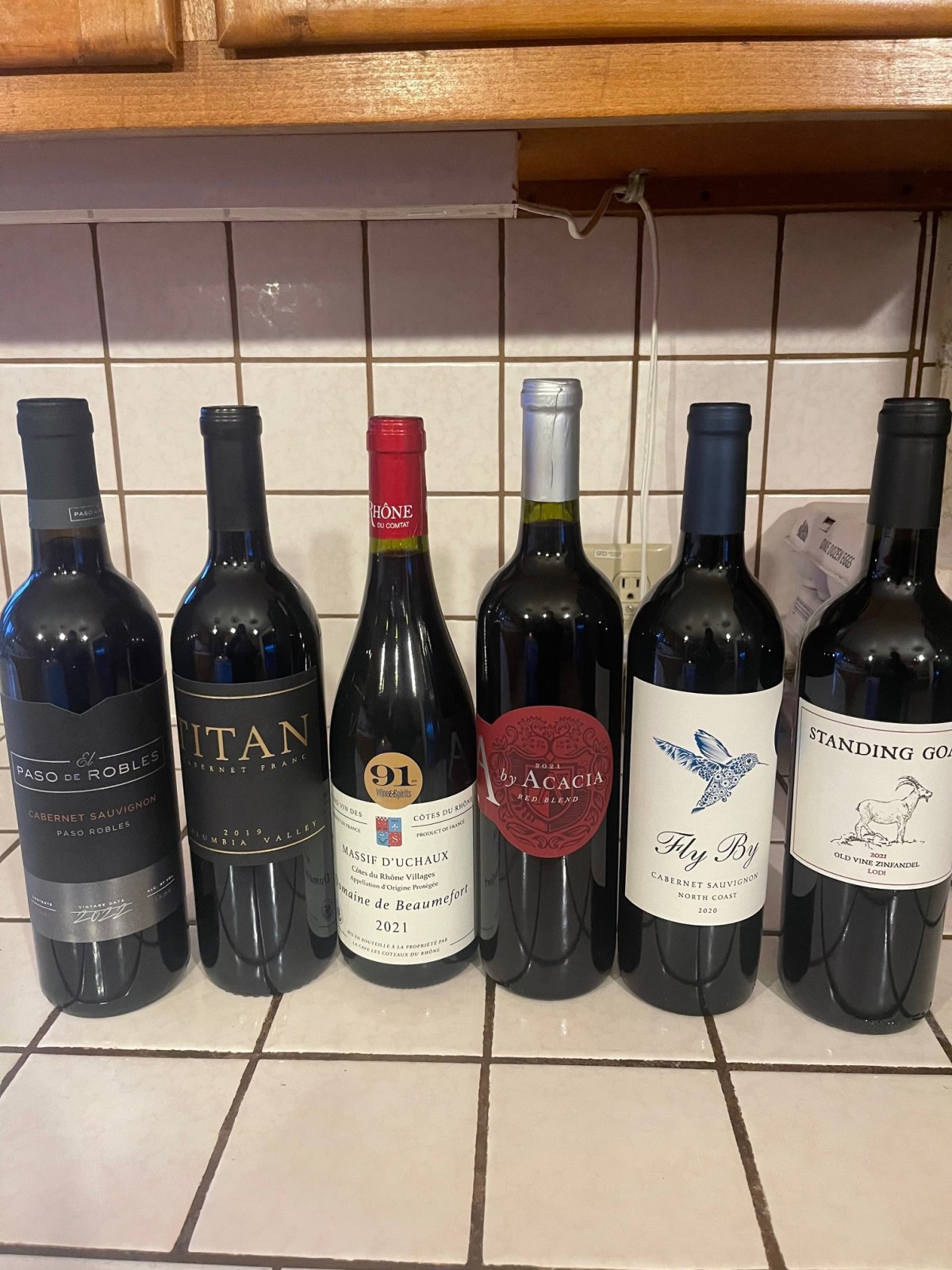
Never heard of Cadre, Iterum, Matzinger Davies, Verdad or Padigan? Well hold on, the parade of new names is just forming.  

Many of these new faces are making these daringly different Sauvignon Blancs from lesser known places such as Edna Valley and Rogue Valley. Add to that regions best known for other wines, specifically Oregon’s Willamette Valley and Santa Barbara and there’s much more awaiting us.

In my next post, we’ll look deeper at this new style of Sauvignon Blanc coming from Oregon.

From there we will move to the Central Coast and focus on the key players and the special vineyards they are working with.

Navigating the Deeply Discounted Wine World

A banner announcing “All wines, 20% off, semi-annual Wine Sale” caught my eye as I drove quickly past the shopping mall. The next day, slowing down, I noticed the store was one of those discount food places.

Probably nothing but wines in dented cans, right?  So I kept driving. A few days later, no longer able to curb my curiosity, I stopped. And shopped. Like really shopped.

The sale was at a Grocery Outlet Bargain Market. The one I visited in Bermuda Dunes was a maze of wine with well over 100, maybe close to 200 wines on display. All in bottles ( no cans) and representing every wine country and many, many regions. Not surprisingly for a discount wine program, Argentina and Chile were well-represented, but Spain and Italy were not far behind. There were several Bordeaux along with the rest of France. California and Washington State had their own sections. One wall was lined with Chardonnay!

My first impression was “What the?”  Prices started at $3.99 a bottle, with $6.99 looking like the average. Many of the labels were familiar brands such as Ravenswood, Pedroncelli, St. Clement, Canoe Ridge, McBride Sisters, and Mercer Estates, to cite a few examples. A Rose from one of the most reliable French producers, Chapoutier, was priced at $3.99. There also was a $5.99 white from Quinta de Crasto, a high-end winery well-known to me which is in Portugal’s Douro Valley. 

Then I hit the motherlode with Pinot Noir from one of my long-time favorites, Sarah’s Vineyard in Santa Clara County. Normally selling for $35, there they were at $6.99.  That first visit saw me walk out with several bottles in addition to the Pinots, and I’ve visited other Grocery Outlets since then. 

I always try unfamiliar wines and while a few purchased were dogs woofing at me, the price range makes these explorations relatively painless.

But why are some wines so heavily discounted?  My best guess is poor marketing on the part of the producer, the sales team, the importer and/or wholesaler. A small winery may need the cellar space for the newest vintage, or it just may need cash flow by selling in quantity. Bigger producers may be discontinuing the product or the label. Whatever, the appeal of the Grocery Outlet is that it doesn’t advertise the way the typical Safeway/Abertson chains do. For a producer, importer,  and wholesaler, selling quickly and quietly has its appeal. 

Since most normal people have not been writing about wines and probably haven’t spent time in every major wine country and tasted literally thousands, for what it may be worth to you, I’m going to share my thoughts and shopping tips here. After that, if you are still with me, the conversation will shift to some background about Grocery Outlet which has almost as many stores as Trader Joe’s but it is less well known.

 Shopping Tips from a Wine Professional

1. Read the back label. The boring flipside with the mandatory details, not the artsy, colorful one with the brand.  For each wine that interests you, if you don’t recognize the brand, look at the back label for the name of the producer. Or the company that bottled it. Both are in the fine print.  Begin by learning the producer’s name is step #1.

2. The back label will also tell you the involvement of the producer/bottling company. For instance,”Produced & Bottled By” is a good sign indicating that the winery made most of the wine in the bottle, rather than buying it from another company. “Cellared By” is less reliable and

“Vinted & Bottled by” is pretty bogus. “Vinted” to me says the wine was bought ready-made and simply bottled.

3. Now to the wine’s origin. Check the place name, the appellation (where the grapes were grown) on the front label, such as Napa Valley or Columbia Valley with the home of the producer/bottler on the back.  If you are looking at a Cabernet from Columbia Valley but see on the back that it was bottled in Napa, Lodi, or Acampo, it is a brand owned by a major company  and the wine was trucked to a common bottling facility. The grapes may be grown in Napa or Sonoma, but If it says “Bottled in Modesto, CA,” the wine is, like Barefoot, one of dozens of brands owned by Gallo.

Yes, wines are transported in tanker trucks and in boats on their way to be bottled. You may  be shocked to know that many Sauvignon Blancs made in New Zealand are shipped literally to a bottling plant in California. Check that back label if in disbelief. 

4. How old is too old?  Making sense out of the vintage date and vintage information. The year, say, 2020, simply tells you when the grapes were harvested, not when the wine was bottled. Most wines are at their best when young, especially whites and Roses. But a 3 or 4 year old white is not necessarily over the hill. A Rose, despite its fragile drink soon image can often be enjoyable 2 or 3 years after the vintage. 

Red wines are more complicated and most are fairly safe up to 5 years after the vintage. My recent experiences involved two reds from 2013. The first, a Paso Robles, was clearly in decline, dull, lost its fruitiness  and a little fizzy. The other, a Syrah from the Sierra Nevada Foothills, was at its peak. It was also an excellent Syrah. And both, to keep us on topic, were priced at $6.99.

But my shopping guideline is to avoid whites and roses that are 5 years or older and stay away from most reds more than 10 years old. Whether offered online or in a wine store, any wine around 10 years of age makes me question where it has been during those years. Was it properly stored? Moved around? Somebody’s reject? Yes, best to avoid older wines.

5. Corks and screw caps become an issue when shopping for discounted wines.. Let’s face it, most wines are displayed standing up and a few end up in the sunniest part of the store. Corks may be traditional but they tend to dry out over time and don’t protect the wine. So you’re better off passing over old wines with corks.

6. If you use the vivino site and take photos of bottles, it is better to use google to learn more about the wine. Vivino doesn’t sell most of these wines so will offer minimal info. Go to google to see if the brand exists, and then look for it at wine.com or cellartracker for its history. If it has one which is a good thing.

7.If you taste new wines with others, don’t give the price paid ahead of time. Both newcomers and longtime wine drinkers have been brainwashed to think price equates to quality. The same people who go to Amazon for the cheapest available product, will be predisposed to not like a cheap bargain wine. 

Exploring Guadalupe ValleyWines

5 Takeaways from Guadalupe Valley 

Throughout 2023, numerous stories appeared in national media outlets announcing Mexico’s Guadalupe Valley as “the next Napa Valley.” Or Guadalupe as “Mexico’s Napa Valley.”

In one of those annual reader survey pieces, it finished a close second to Walla Walla. 

Travel articles with a romantic getaway theme or wine country destination focus were common.  A google search for Guadalupe Valley wines will show dozens of travel suggestions, tours tips, tour packages, tour guides and itineraries featuring wineries and culinary recommendations. 

 Located about 60 miles south of the US border, or just over an hour’s drive from San Diego, Guadalupe’s wine route has come alive with new wineries, new resorts, boutique hotels, and trendy restaurants. Wine-related income in Guadalupe Valley hovers around $200 million a year.

No longer flying under the radar, Guadalupe Valley secured international recognition in late 2022 by hosting the 43rd annual World congress of vines. Many of its wines win awards and medals in various annual wine competitions. With only 25 wineries existing before 2005, Guadalupe is now home to 150+ wineries, 100 restaurants, 92 hotels and boutiques, and 12 taco stands. A few sources now say there are over 180 wineries. 

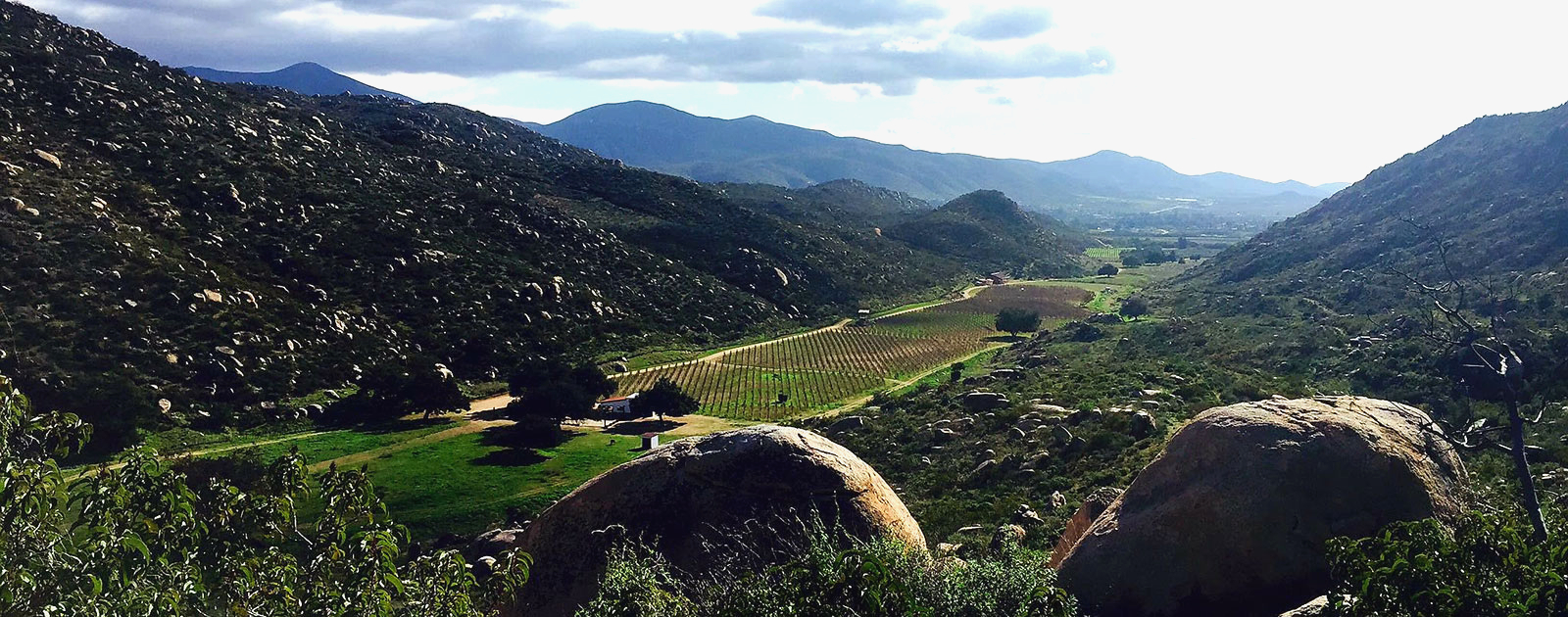
Regarding viticulture, Guadalupe Valley is a real anomaly. Standard logic in all textbooks maintains that wine grapes should only be grown within the 30 to 50 latitude. Guadalupe is located at the 21-22 degree latitude and there are over 10,000 acres planted to a wide range of vinifera varieties. 

Defying logic, the mantra in Guadalupe is that it is all about altitude, not latitude. Located at elevations from 500 to 2000 feet above sea level, most vineyards benefit from cooling breezes from the Pacific on one side and the Sea of Cortez on the other. With wide diurnal swings during the summertime, the climate is basically Mediterranean. Or “best described as Mediterranean” as one winemaker explained because being dry and desert-like, it doesn’t fit into any neat category. 

So after postponing a planned visit due to covid, I finally visited this much talked about wine valley in Northern Baja. Research before the visit entailed reading many of the feature stories and, of course, tasting as many Guadalupe wines that were available during my stay in Cabo San Lucas.

My vinous version of the Baja 1000 began by departing the totally screwed up city of Tijuana in a crappy rental car that barely made it out of town. Later in the day we were welcomed to Guadalupe by rain that challenged the car’s wipers. That’s right, rain in Guadalupe Valley is about as common as rain in the Sahara.

That rain was a great omen or set up for a series of unexpected experiences that followed when visiting wineries, tasting wines, and getting a feel for this most unusual wine region. The rain made the sandy roads to the wineries even more challenging to navigate with deep potholes filled with water along with rocks and a few chickens. But holding on tight to the wheel we visited the region. What follows are takeaways from five wineries that capture the uniqueness of Guadalupe as not only an emerging wine destination but also an exciting wine producing region.  

“This can’t be Nebbiolo,” I tactfully mentioned to the Vinedos Malagon hostess. It was deep garnet, concentrated, with ripe flavors and some tannin. She brought over the bottle and yes it was Nebbiolo. I shouldn’t have been so surprised since the previous wine was Malagon’s Grenache, also unusually rich. She explains that the winery has access to Grenache planted by Russian immigrants in the 1940s. That’s right, the vines are at least 70 years old. And as for Nebbiolo, it was said to be brought into Guadalupe long ago but identity tags were never found to verify its DNA. Well, that was my first visit.

#1 Takeaway: Prepare for Guadalupe wines that aren’t typical and for wines made from odd, old varieties, old vines.

Malagon was founded in 1997 when only a dozen wineries were operating in Guadalupe and very few wine varieties besides Grenache and Nebbiolo were planted. Pedro Domecq opened a winery in 1972 but like many of the distillers who arrived earlier, it favored Palomino and Colombard in the early years. Also in the 1970s Jim Concannon and others from California visited and introduced then popular varieties such as Chenin Blanc, Petite Sirah, Zinfandel, Barbera, Cabernet, Carignane, and the once popular Ruby Cabernet. The latter variety is a key component in Domecq’s XA red and Petite Sirah is one of Cetto’s most popular and attractive wines. 

Today the Valley’s wineries reflect a balance of an international cast of characters and local families. Those established varieties attracted foreign investors such as the Henri Lurton Medoc family. It seems telling that Bodegas Henri Lurton’s flagship wines from Guadalupe are Nebbiolo and Chenin Blanc. 

Next stop was Casa Magoni whose wines I had enjoyed prior to the visit. In the new tasting room, white wines were first offered and they were not the typical blends. Magoni poured a Chardonnay and Fiano blend named “Manaz.” Also, another white brings together Chardonnay and Vermentino which is just as impressive. Among the reds, the Sangiovese-Cabernet is excellent, but the most unusual tasted was labeled Origen 43 which combines Montepulciano, Aglianico, Canaiolo, Sangiovese and Cabernet Sauvignon. All those varieties were established 16 years ago. But, of course, Magoni makes a Nebbiolo which is excellent.

Turns out that Camillo Magoni, who studied Enology and Viticulture degree from the Enologica a Di Alba in Piedmont, Italy was invited by the Cetto winery to work in the cellars. After 40 years he left to establish Casa Magoni where he introduced many Italian varieties as well as others from France. Today with more than 100 different grape varieties on 278 hectares, this is the largest experimental vineyard in Guadalupe and all of Mexico. 

#2 Takeaway

Today with over 100 wine varieties being grown, some of Guadalupe’s finest wines are rare combinations and unique blends. There’s the Red from SantoTomas that is made from 34% Mission, 33% Tempranillo, and 33% Carignan. I love Emerve’s “Isabella” which brings together Chardonnay, Sauvignon Blanc and Viognier in a bright, full bodied style. El Cielo’s 2020 Blanc de Blancs consists of Sauvignon Blanc and Chenin Blanc with a good dose of Palomino and Chardonnay. 

So be prepared to encounter wines with fanciful proprietary names derived from the planets, the stars, children, family pets, nicknames, whatever. 

Moving on, I finally visited a new winery unknown to me but one I drove by several times: Emerve.

Many of the new wineries are locally owned and started by home winemakers or by cellar workers moving on after apprenticing at one of the big wineries. That door opened In 2004-2005 when Hugo D’Acosta who studied at Montpellier, France, and the Agrarian University of Turin, Italy, organized La Escuelita, a school teaching local farmers and families the fundamentals of winemaking and cellar procedures. The school also functions today as a cooperative, providing the necessary equipment to growers and future winemakers to make wine. 

Today, Emerve, which was one of those wineries,  draws from 18 ha and produces around 5,000 cases a year. In addition to a lovely Rose of Cabernet, Emerve is best known for its proprietary blends. “Isabella” brings together Chardonnay, Sauvignon Blanc and Viognier mentioned earlier. There’s a red Bordeaux named “Los Nietos” and another red blend, “Armonia de Tintos,” a blend of Merlot, Cabernet, Syrah and Cabernet Franc. That cuvee was aged for 8 months in a combination of French and Hungarian oak.  It is much more than a simple red. And just for a little variation there’s a 100% Shiraz that’s bottle aged for 5 years before its release.

#3 Takeaway

While the top 3 wineries of Cetto, Santo Thomas, and Bodegas Pedro Domecq produce 80% of wines from Guadalupe Valley, there are 100 or more small family owned businesses offering a wide variety of high quality wines. And the wines are often unique.

Next up in my learning journey, Casta de Vinos

Whether it was sheer luck or fate, my visit to Casta was truly eye opening. Opened in 2010, Casta is an authentic mom & Pop family winery with Sergio Castañeda as owner/winemaker and Claudia, his wife, as director. With an annual output of 4,500 cases, Casta makes 12 wines, 10 red. The 2018 “Domina,” a 100% Merlot exudes charm in an elegant style, and the 2019 “Cirio,” a Cabernet Sauvignon and Mourvedre blend is big with multi- layered flavors. “Casta Tinta, “ a Bordeaux blend, could easily be mistaken for a young Medoc. Another amazing accomplishment, the 2020 Syrah is heavenly and stylishly refined for a young Syrah. I also liked the Petit Verdot. Clearly, the winemaking is top notch and shows a subtle use of small oak and tannin management that makes this one a genuine superstar.

#4 Takeaway

Not only are there many new wineries, Guadalupe is a paradise for anyone who loves to explore and discover previously unknown wineries. Or one that opened the week earlier.

Tuscany also has a strong foothold here thanks to the Paoloni family.  Born in Tuscany, Paolo Paoloni left his post as an Enologist at the Perugia University to manage the Valle Redondo wine company in Aguascalientes, Mexico. After several years with Valle Redondo, Paoloni purchased 38 hectares in the Toros Pintos section of the Valle de Guadalupe. 

If anyone doubts the uniqueness of Guadalupe, well the wines that were presented at the Paoloni/Villa Montefiori winery will erase all doubts.  First came the dramatic 2020 “Ross del Valle” made from 100% Montepulciano with amazing concentration. It is the first mono-Montepulciano from Mexico. Even more exciting was the 2019 Nebbiolo, a dark colored, deeply flavored version, aged for 15 months in French oak. Then the house speciality is Nero d’Avola, and the 2018 aged 12 months in oak is stunning for its depth and layers of flavors.

#5 Takeaway

Located on a steep hillside, Paoloni’s vineyards look beautifully maintained, indicating that grape growing here is as good as anywhere. Overall, the yields work out to be slim by Napa’s standards, estimated as between 1.2 to 2 tons per acre. With little water available, irrigation is not excessive with many vines being dry farmed.

 I heard during my visit  and have also read that farming practices are moving toward sustainability and organic methods.  Carrodilla is said to be the first certified organic and biodynamic vineyard in Mexico. More recently, Santos Brujos which makes a lovely Tempranillo has earned its stars as a certified biodynamic vineyard. 

So, I’ll stop here after noting that despite what you may be thinking, Guadalupe Valley wines are showing up in more and more US markets. That was reinforced a few weeks ago when looking over the shelves of Desert Wine, a small retailer in Palm Desert, there were several Paoloni wines and a few others.  

Thankfully, in 2024 you might not have to travel along those bad dirt roads to explore Guadalupe Valley wines. Check out  the list of wineries available and which states they are sold in at La Competencia Imports in Napa, Same goes for Tozi Imports on the East Coast, Nossa Imports in Arizona and Beso imports in Washington. LMA imports in San Diego specializes in wholesale to restaurants. 

And one more thing about those rough, unpaved roads: don’t expect any improvements soon. Arguing that bad roads attract good tourists and good roads will appeal to the loud, rude, sloppy wine drinkers who will ruin the character of the Valley, a powerful resistance group has been organized to control growth.

In other words, they don’t want Guadalupe to become the “next Napa Valley,”

A Perfect Summer Red Wine and A Real Bargain!

Just discovered and uncorked the 2020 Pinot Noir from Clay Shannon at, hold on, $5.99 a bottle. It normally sells for $22.00.

From Shannon’s Long Valley vineyards in Lake County, this Pinot is being blown out at select Trader Joe’s.

Whatever the reason may be for the sale, a deal is a deal.

This Pinot has been rated 89 to 92 points by the usual suspects.

To my palate, it is a light style Pinot  but correct, with bright cherry fruit and oak spice, well-balanced with a pleasing finish.

My Rating: 91

With luck, I’ll see you at the checkout counter,

Pinot Noir Deal of the Day

Deal of the Day!

Just noticed one of my favorite Pinot Noirs is being offered at an amazing price of $22.

The offer comes from www.wineaccess.com.

Here’s what they have to say:

“Solena Grande Cuvée is the Pinot that led us to rethink the term “quality-to-price ratio” and start saying “quality-to-price disparity” instead. The 2021, from a landmark year, has it all: balance, deep red fruit, cleansing acidity, and a personality that makes it hard to put that cork back in.”

Better yet, here’s my recent review from http://www.winereviewonline.com

Soléna Estate, Willamette Valley (Oregon) Pinot Noir “Grand Cuvée” 2021 ($28):

This may well be today’s best value in Oregon Pinot Noir.  Made from a selection of the family’s vineyards in the Yamhill and McMinnville AVAs, this Cuvee offers a lovely aroma that is at once complex and compelling.  A subtle melange of raspberry, and truffles with hints of earthiness define both the aroma and flavors.  On the palate it is medium bodied with bright raspberry / blackberry flavors that gain in intensity with airing and take you to a big, rich finish.  With light tannins, it can be enjoyed now or cellared a few more years.  It bears repeating: an excellent value.       

94 Norm Roby Mar 21, 2023

Exploring Oregon’s Other Pinot

As a judge at the most recent Oregon Wine Experience and having closely followed Oregon and Northwest wines over the last two years, one thing I’ve discovered is that Oregon is successful with a wide range of wines other than Pinot Noir. Some of the most exciting Tempranillo, Malbec, Syrah and Viognier are being produced around the State. Oh, yes, the Rhone and other blends can also be outstanding. 

And then there are the rock sold and widely available Pinot Gris grown successfully in every sub-region. The list of top wineries includes King Estate, Ponzi, Elk Cove, Chehalem. Panther Creek, Eyrie, Earth, Ruestle, Brandborg, Iris, Solena, and on and on. The best Pinot Gris are highly versatile, food-centric wines that can be enjoyed year round and they should be a candidate for your go-to white. 

Why are they still relatively unknown? Pinot Gris is the second most widely planted variety in Oregon, and after a decade of steady growth, it is the leading white grape today, way ahead of Chardonnay. Yet Oregon Chardonnay gets more press largely because Pinot Gris’ reputation is tangled up with its namesake, Pinot Grigio. 

Not trying to start an argument here but Pinot Grigio is a name most wine drinkers associate with inexpensive, light and often slightly sweet white wines from Italy. And, okay, a few from Alto Adige are dry finished and quite good but also a few from California are watery thin supermarket bottlings. 

Gris or Grigio: the Gray Area

Any effort to wine-splain the difference between wines labeled Pinot Gris and Pinot Grigio leads to a rabbit hole of confusion and misinformation. Don’t believe that? Well, just Google the simple question: What’s the difference between Pinot Grigio and Pinot Gris, and you get this as the first entry: “Pinot grigio, undoubtedly the most popular of the two, is lighter-bodied, crisp, clean, and vibrant with citrus flavors, according to Wine Spectator. Pinot gris, on the other hand, is sweet, and has spicy tropical fruit aromas. It generally has low acidity, higher alcohol levels, and a rich texture.”  

OMG! Where to start?  Well bad English (more, not “most”) but really this is a generalization that is totally misleading, useless, and, well, just wrong. No wonder then that  promoting Pinot Gris has long been an uphill battle for those involved.  

So it came as only a slight surprise to visit the Willamette Valley Winery Association’s homepage and be greeted with this bold heading: “We are Pinot Noir.”  No ambiguity there, and most of the website’s content focuses on Pinot Noir as the region’s signature wine.  It is, of course, but maybe Pinot Gris merits some attention since there are more than 5,000 acres planted and well over 100 wineries produce Pinot Gris.

The Journey

My interest in Pinot Gris began during an early one on one meeting with David Lett of Eyrie Vineyard. Though known today as one of the pioneers behind Oregon Pinot Noir, Lett was keen on showing me his first vintages of Eyrie Pinot Gris. He was convinced it was Oregon’s white of  the future, not Riesling, not Chardonnay. And the quality of his first vintage was as convincing as his enthusiasm. And his inaugural vintage was labeled “Pinot Gris.” That is the name used throughout Oregon today.

A few years later I was invited to visit the new and much talked about King Estate in Eugene, Oregon and was reintroduced to Pinot Gris along with Pinot Noir made from several Dijon clones.

Both encounters convinced me that Pinot Gris deserves to be taken as a serious white, neither a minor mutation nor a grape for cheap bulk wine. And that eventually led me to Alsace. Visiting the region to research a touring article later published in Decanter Magazine I left with no doubt that Pinot Gris can be a complex, intriguing and, in some cases, age worthy wine.  

My follow up article in Wines & Vines focused on the widely varying styles of Alsatian Pinot Gris  with so many off-dry, sweet finished versions, various Grand Cru bottlings, and many late harvest. Many of the leading winemakers insisted on showing their Gewurztraminer and late harvest Rieslings. But the dry versions of Pinot Gris  from Ostertag, JosMeyer, Kreydenweiss, Domaine Paul Blanck, Bott Freres, and Zind-Humbrecht were a whole different story. Yet not that well-known even in Alsace. I remember being “schooled” by a waiter in one of Alsace’s fine restaurants when I asked for a dry Pinot Gris. The answer was simple: “If you want a dry white, select a Riesling.”

If there’s such confusion in Alsace, then it is understandable why Pinot Gris grown elsewhere has yet to be fully understood and appreciated. Then too you factor in the boatloads of Pinot Grigio and the way the trade, especially restaurants, list the imported Pinot Grigios and  Pinot Gris as one wine, and the problem is compounded. 

So to get a handle on what’s the present status and future prospects of  Pinot Gris in Oregon, I decided to explore the latest offerings from King Estate. Afterall, King Estate has been working with it for 30 vintages and has become practically synonymous with Oregon Pinot Gris. When I contacted Ed King, he concluded our conversation with this overview:  

“I have seen the “death” of Pinot Gris in Oregon announced at least twice, as well as the advent of Chardonnay in Oregon at least three times.  And yet, by far, Pinot Gris is the most successful white wine in Oregon.”

Still family owned, King Estate was founded in 1991 and now has 465 acres planted in what is “the largest certified Biodynamic vineyard in the U.S. Pinot Gris accounts for 314 acres. 

While the winery has expanded and is highly successful with Pinot Noir, it remains firmly committed to Pinot Gris. One of the largest producers of Pinot Gris, the King family did not want to risk its reputation or take a step backward with Pinot Gris from the smoke prone 2020 vintage. So not one bottle of 2020 Pinot Gris was sold. 

That’s a major decision because in the 2021 vintage, King Estate produced over 100,000 cases of Pinot Gris!

My notes on the currently available King Pinot Gris:

King Estate Pinot Gris, Willamette Valley 2021 $19.

If this is the basic benchmark of Oregon Pinot Gris and the winery’s flagship, this is one amazing wine setting a high standard! 92-93 points.

Over half of the grapes for this wine are from the estate with the remainder from several independent vineyards, all following sustainable practices. This 2021 tends toward a ripe fruit, mouth filling style that can be enjoyed as an aperitif or as a first course companion.  Showing a little bronze tint, it offers plenty of ripe melon fruit with some honeysuckle, peach and jasmine in both its aromas and flavors.  Remarkably fleshy and rich on the palate, its lush fruit and citrus personality persists and concludes with a pleasing touch of acidity in the aftertaste. This is a terrific all-purpose, versatile white with tons of character.

2019 King Estate Pinot Gris “Domaine,” Willamette Valley  $30

 Made 100% from King’s estate vineyard, this Domaine is a food-centric version that can be paired with whatever you usually match with Chardonnay. 94-95 points

Stainless steel fermented and aged 6 months on the lees, it is straw colored and  opens with bright aromas of melon, lime, and citrus that lead to a medium-bodied, generous palate. It continues with lively, crisp flavors of meyer lemon and grapefruit. Its persistent acidity keeps it on course leading to a lovely finish. With its vibrant melon fruit and touch of lime, this is a  smoothly textured well-structured wine held together by brisk acidity. A wine to drink now but it also has good aging potential. 

A selection of the best small lots assembled by the winemaker. “Backbone” is an incredible, rich, beautiful example. 95 points 

King Estate Willamette Valley “Backbone” Pinot Gris 2019 $ 28

Made from selected blocks as a winemaker’s cuvee, the 2019 “Backbone” consists of 41% estate grown fruit with the remainder from 4 neighboring, compatible vineyards.  The lots are whole cluster pressed and cold fermented in stainless steel. The wine was then aged 5 months on the lees with periodic lees stirring. Medium full bodied, this wine is brisk and concentrated with youthful aromas and flavors of fresh cut melon with tangerine and a hint of minerality. Much like the “Domaine” bottling, this wine also offers a lovely, smooth rich texture leading up to its palate cleansing, long finish. Enjoyable now and very food-centric, it has all it needs to age gracefully over the next several years. 500 cases made.

King Estate Willamette Valley (Oregon) “Paradox” Pinot Gris 2019 $35

Pinot Gris and oak Aging. Fascinating, but while oak is added, the overall impression is that the best features of Pinot Gris are compromised. 92 points

This tiny production (100 cases) is part of an ongoing experimental program. 100% estate grown, Paradox refers to the fact this is oak aged by a winery that has long championed un-oaked Pinot Gris. It was aged in new French oak for 3 months, followed by aging on the lees for 5 months. Straw yellow in color, it needed time to open. But soon displayed a melange of baked apple, lemon, vanilla and light oak toast. Medium full bodied, it is concentrated in flavors with lemon curd, apple fruit, and some yeastiness in equal parts. Tightly structured, it finishes long with good acidity to accompany the light touch of oak. Well, definitely different, and well made and attractive. I prefer the other 3 with no oak aging. 

There you have it. Pinot Gris is well-worth exploring.