Visiting Canada’s Okanagan Valley in British Columbia has been on my must-do list for years. Not for skiing, or hiking, biking, boating, backpacking…all of which make the region a tourist attraction. The reason was to check out the wines.
Canadian wine? Yep, and not Ice Wine. Although Canada may have been once known for Ice Wines, most are made today in Ontario. In British Columbia the wine business is growing rapidly and the Okanagan Valley is the hub, the epicenter of exciting new wines.
As a longtime wine writer, I’ve visited just about every wine region in Europe and South America and also both islands in New Zealand and every corner of the West Coast. Exploring new places, visiting overlooked regions, and discovering new and highly enjoyable wines are what come naturally to me as a wine writer.
So my remarks about Okanagan are not hyped up euphoria from a newbie influencer. Or from someone who was wined and dined and shown only what some PR person wanted to be seen.
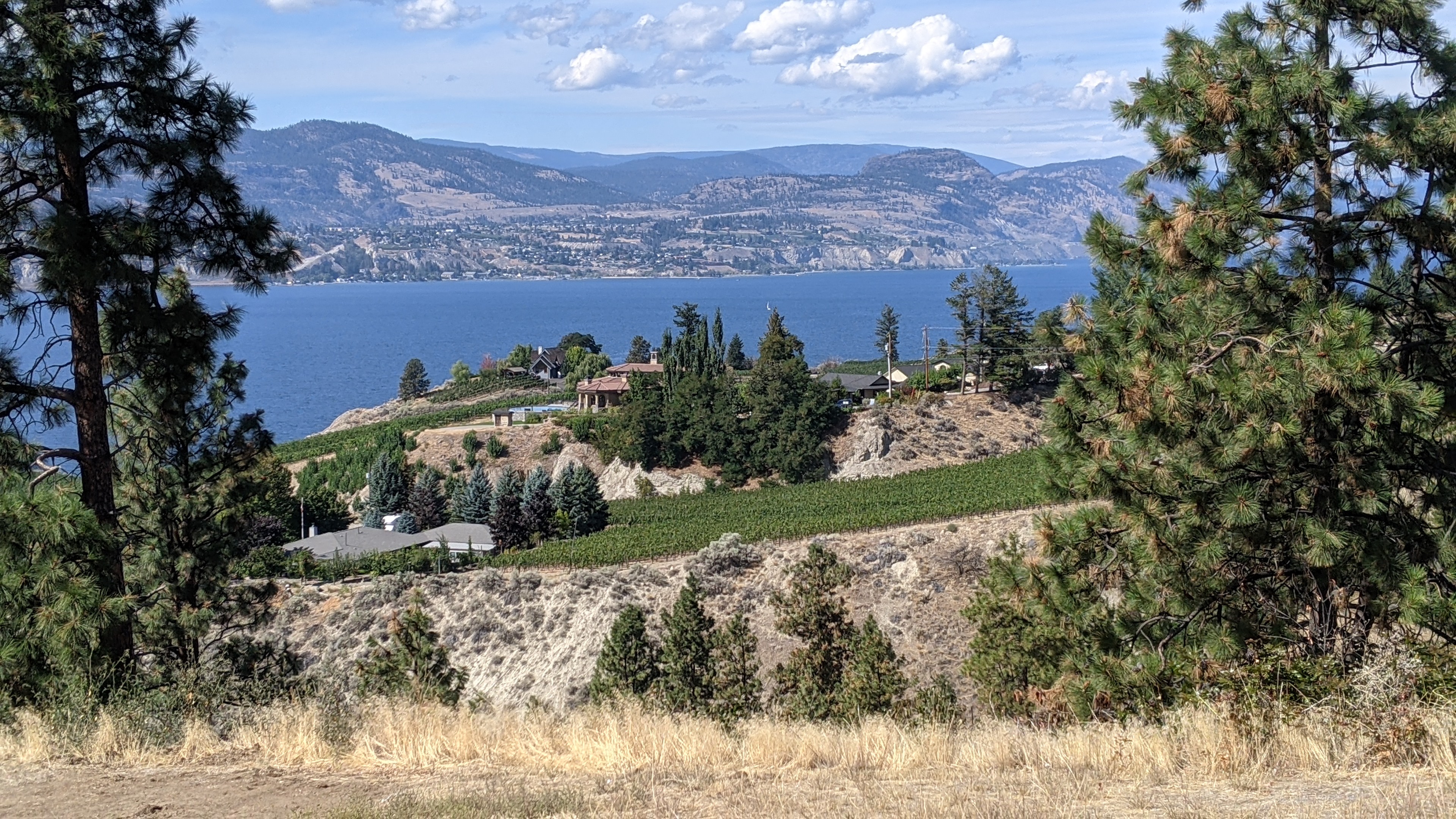
It took a lot of planning to finally visit Okanagan and of course there were restrictions and social distancing protocols everywhere, but after an extended stay it became clear that Okanagan is an amazing place with dramatic lakes, mountains, and vineyard vistas and wines that can compete on the world stage.
Check out Okanagan wines at www.winereviewonline.com for current ratings and for an earlier post.
5 Reasons why Okanagan Should be on Everyone’s Wish List
- Okanagan is a major wine region with 10,000 acres of vineyards & 275 wineries
- Okanagan grows all the classic European wine varieties from Cabernet to Viognier
- The quality is high and the best wines are truly terroir-driven, due to diverse soil, climate, elevation
- It is an exciting young, fast growing wine region that jump started in 1990
- Amazingly diverse with southern vineyards located in Canada’s only desert and the most northerly vineyards exposed to Arctic freezes.
Most wineries are small and family-owned, focusing on wines from their own vineyard which explains the widespread use of “Estate” in so many winery names. Wine clubs are “the” thing for most, and quite a few wineries are also restaurants or bistros. Sit-down tastings are usually by appointment, but it was amazing to see the tasting fees were around $10 for 4 or 5 wines. And that’s $10 Canadian which makes wine tasting fun.
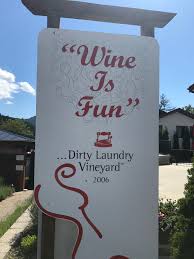
Getting there from Vancouver required a 4+ hour drive over the steep mountain range to arrive at Kelowna, a bustling lakeside city that happens to be in the middle of the Okanagan Valley. The lake is the Okanagan Lake, a deep one gouged out by glaciers that is 85 miles long and 3 miles wide. Some 40 wineries are located just outside of Kelowna and neighboring West Kelowna. As you drive around the steep hillsides noticing lava rocks here and there you sense the presence of Mt. Boucherie, a once active volcano.
While most wine regions claim to be unique in some way, the Okanagan Valley with its history of glaciers and volcanoes is unquestionably unusual, arguably unique. Then factor in the location, the 49th parallel east of the mountains in British Columbia, and it is a kind of high desert made semi-arid as the mountains keep annual rainfall totals low.
And this is BIG: When compared to Napa Valley, the Okanagan enjoys at least 2 extra hours of daylight from July through the harvest. That’s according to winemakers who add that the season is short as budbreak occurs much later. In other words, different from any other wine region.
During my visit in early September when the harvest was in full swing in California’s North Coast, Okanagan winemakers were wrapping up their final pre-harvest cleaning of tanks and barrels, anticipating harvest to be in full swing by the end of September.
Most wines are labeled “Okanagan Valley” as their origin, but within that area are over a dozen sub-regions. But within each sub-region, the growing conditions vary widely due to elevation, aspect, proximity to a lake, and soil types.
For instance, the east side of Lake Okanagan is much warmer than the west side of the Valley because it receives hot afternoon sun well into the evening. There can be ripening differences of as much as two weeks for the same variety at the same latitude depending on which side of the valley it is planted.
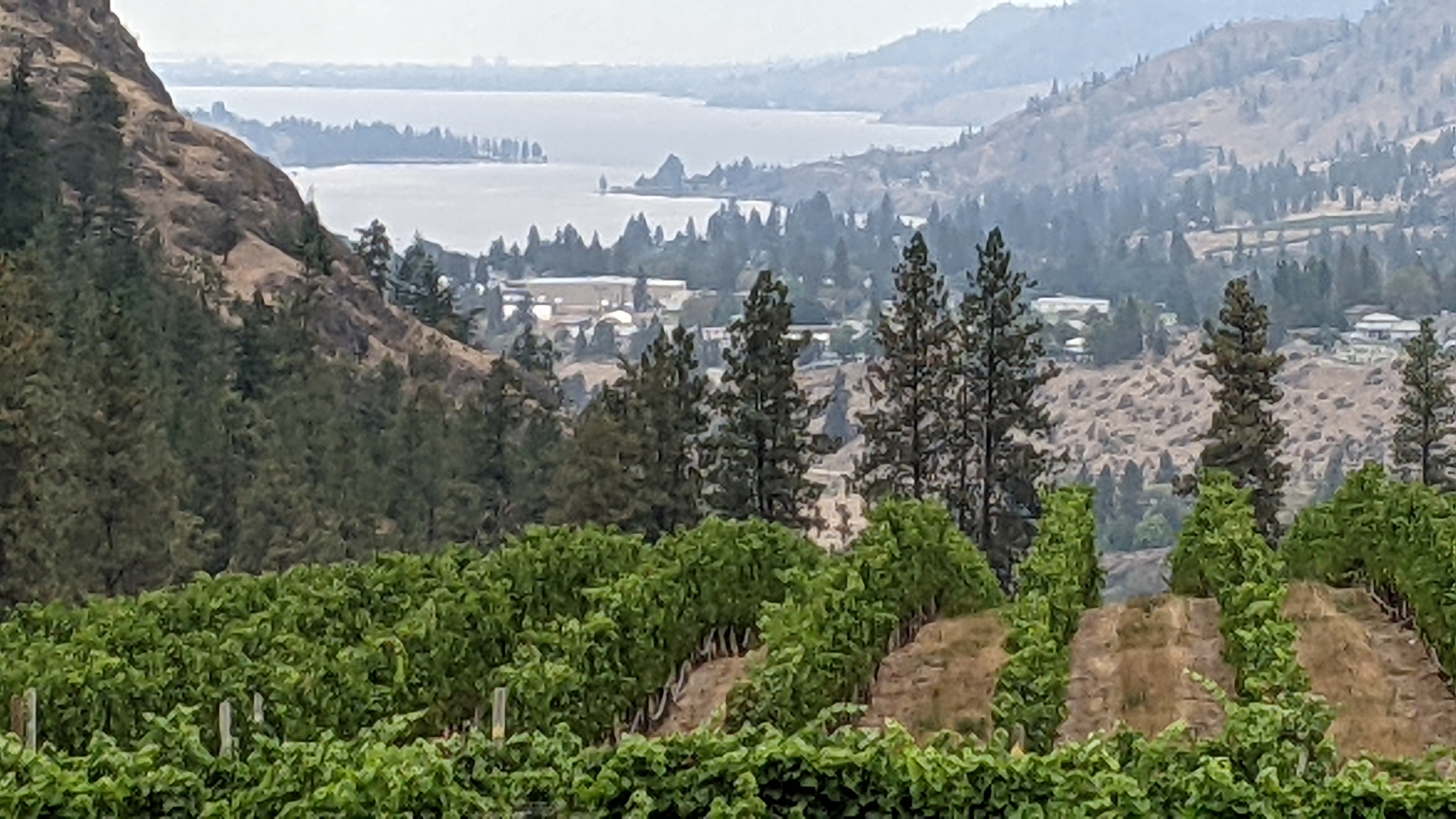
Kelowna and Penticton are the two major cities and sub-regions. The Kelowna area stretching from Peachland to the north end of the Okanagan Valley has the coolest climate of the Okanagan. This makes it an area well suited to earlier ripening varieties. Tantalus won me over with its Chardonnays and neighbor Spearhead Vineyards is a bona fide Pinot Noir specialist. Pinot Noir dominates with 27% of the acreage while Chardonnay, Pinot Gris and Riesling together cover another 40%.
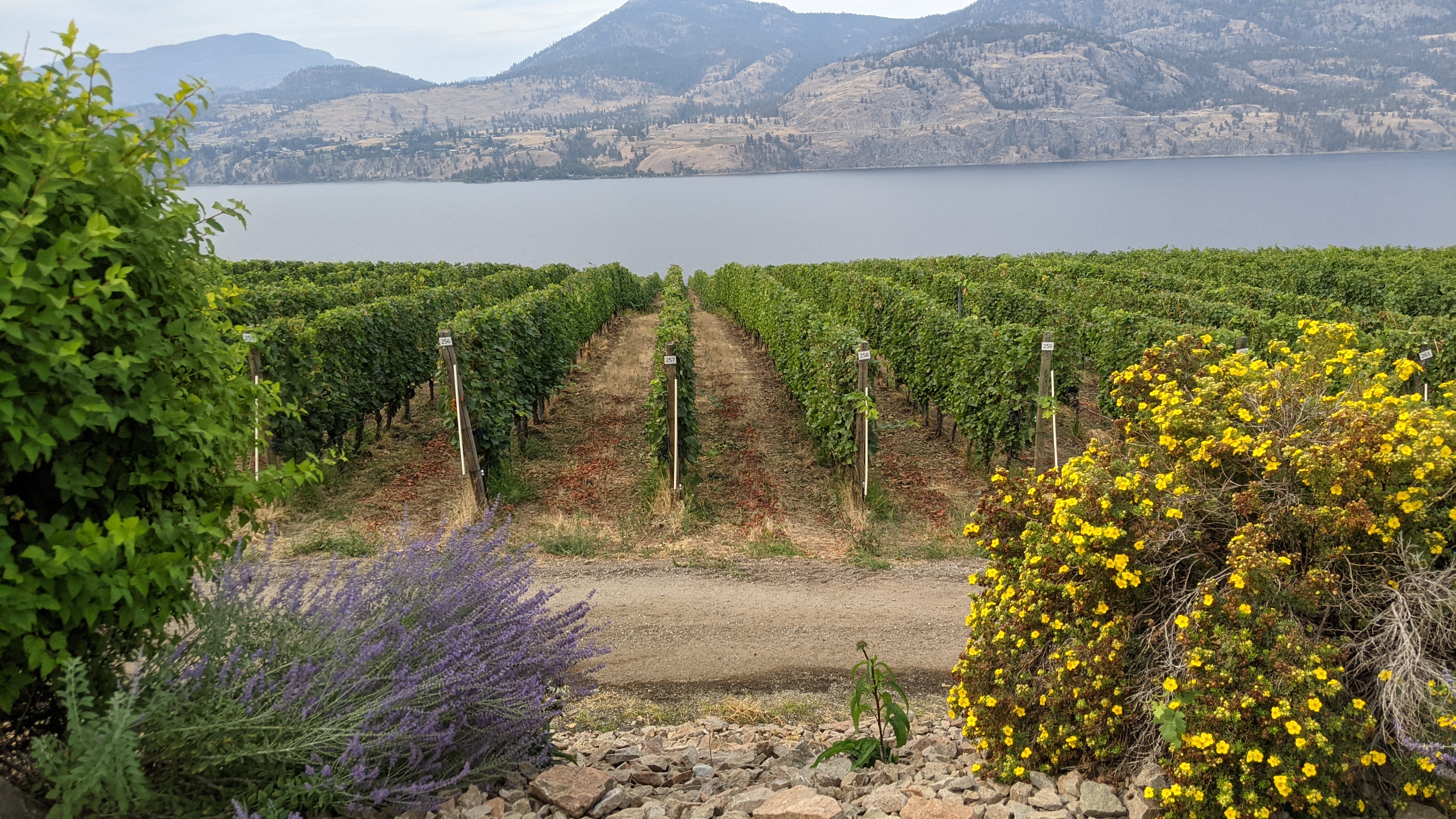
Summerland, a lakeside village south of Peachland, is home base for two dozen wineries, including one of my favorites, Dirty Laundry. Evolve Cellars is another quality-minded winery.
Naramata Bench
Located at the southern end of the Lake, Penticton is a lively village and some 85 wineries are within a 20 minute drive. Many wineries can be found on the Naramata Bench as you travel along the eastern side of the lake from Penticton north to the tiny village of Naramata. Several, such as Da Silva, Hillside Winery and Popular Grove, are classy bistros with excellent food to go with the fine wine. The west-facing vineyards of Naramata Bench and Skaha Bench can ripen later ripening varieties in the warmer sites. Merlot, Pinot Gris, Pinot Noir, Chardonnay and Gewürztraminer are the most planted varieties there.
With so many outstanding wineries along the route, you can easily spend 4-5 days exploring the Naramata Bench region, Skaha and Okanagan Falls. Best advice is to start with these seven:
Hillside Winery
Da Silva Vineyards
Poplar Grove
Bench 1775 Winery
Upper Bench Winery
Painted Rock
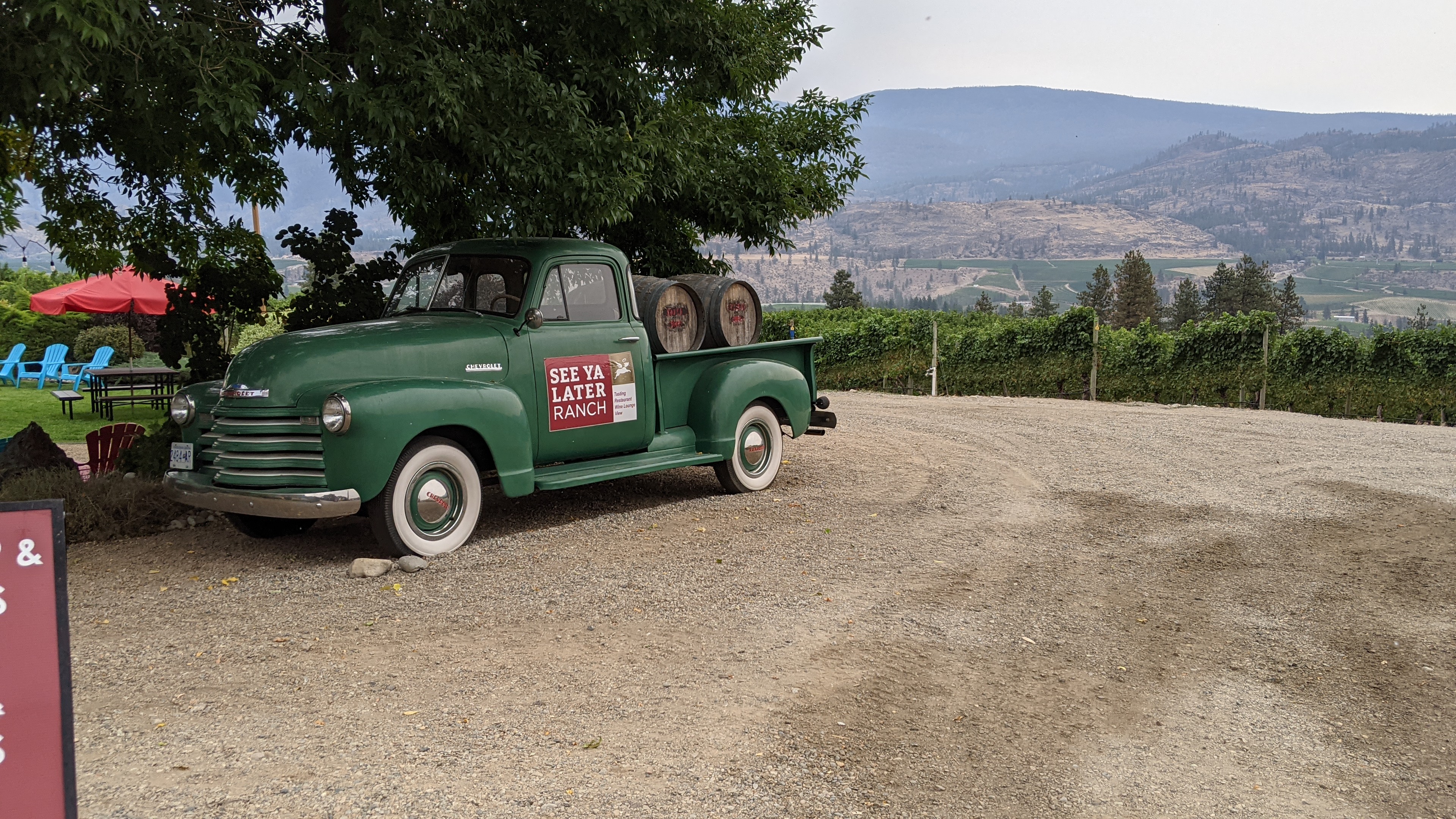
See Ya Later Ranch
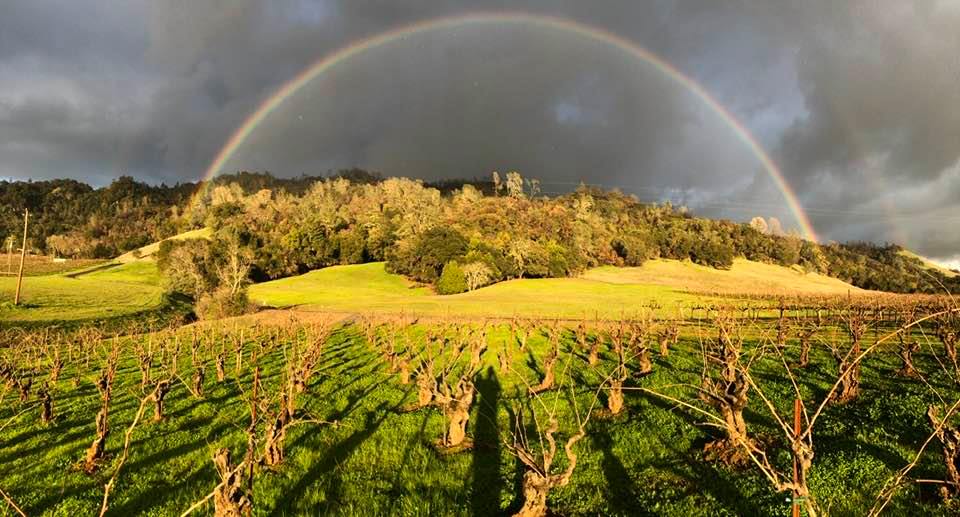
Despite the incredible diversity of sites, a few generalizations hold up. For instance, the east side of Lake Okanagan is much warmer than the west side of the Valley because it receives hot afternoon sun well into the evening. There can be ripening differences of as much as two weeks for the same variety at the same latitude depending on which side of the valley it is planted.
Similar patterns and wided diurnal temperature swings exist in other regions. In Lake Country way to the north, the vintages risk an occasional arctic freeze, while in the south close to the USA border, vineyards in Osoyoos and Oliver thrive in a hot, arid summer in Canada’s only desert. It may be a desert, but before vineyards were established, Oliver was famous for its cherries and peach orchids. Impressive red wines, such as Syrah, Cabernet Franc, Merlot and Bordeaux blends, are being made by Church & State Vineyards, Burrowing Owl and Moon Cursor. The name of one nearby winery, Bordertown Winery, reminds you that the US border is only a few miles away.
One fascinating new-ish region is the hard to say Similkameen Valley. A little northwest of Osoyoos, this region now has 20 wineries located along the river. I didn’t get there, but two wineries making terrific wines are Orofino and Corcelettes Estate Winery. The 2019 Syrah from Corcelettes was a stunning, rich, and flavorful version.
Several winery names are intriguing, self-deprecating and a little irreverent. My first wine tasted was a Rose from Dirty Laundry Vineyard before moving on to See Ya Later Ranch Pinot Noir and then to Blasted Church with its Bordeaux blends: “Holy Moly,” “Nothing Sacred,”and “Cross to Bear.” My favorite was Blasted Church’s 2019 “Big Bang Theory,” a Merlot based mélange. Another winery bottles a red named “Hot Flash.” Oh, and of course there’s a clothesline with laundry drying in front of Dirty Laundry.
Next: My Top 20 Okanagan Wines


 Norm Roby's Unfiltered Guide to Savvy Wine Shopping